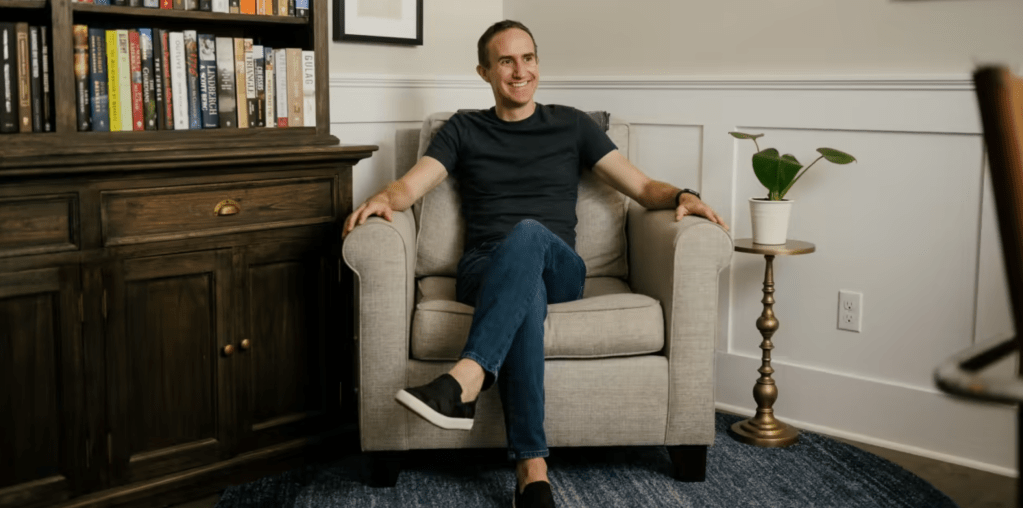
Morgan Housel, author of The Psychology of Money and Same As Ever, wrote an article about what it means to quietly compound your money and I wanted to capture parts of it here for Winchell House readers.
Every few years you hear a story of a country bumpkin with no education and a low-wage job who managed to save and compound tens of millions of dollars. The story is always the same: They just quietly saved and invested for decades. They never bragged, never flaunted, never compared themselves to others or worried that they trailed their benchmark last quarter.
They just quietly compounded.

Money is similar. People become so nervous about what other people think of their lifestyle and investing decisions that they end up doing two things: Performing for others, and copying a strategy that might work for someone else but isn’t right for you.
Long-term investing is about being able to absorb manageable damage; if you can’t do that, you’re pushed into the much harder trick of attempting to avoid short-term volatility. You’re only durable when you care more about surviving volatility than you do looking dumb for getting hit by it in the first place.
Instead of trying to look smarter than everyone else, you make a quiet bet that things will slowly get better over time.
What I like about this article is that it covers two things really well: 1) if you trust the process long enough, it’ll pay off 2) you’re a human and therefore you have an ego and therefore you may be susceptible to wanting to “flex” which may hurt your actual goal of being wealthy.
If you let compounding interest do its thing, you will be wealthy and being wealthy is a bigger flex than appearing wealthy.


 Winchell House
You must be logged in to post a comment.