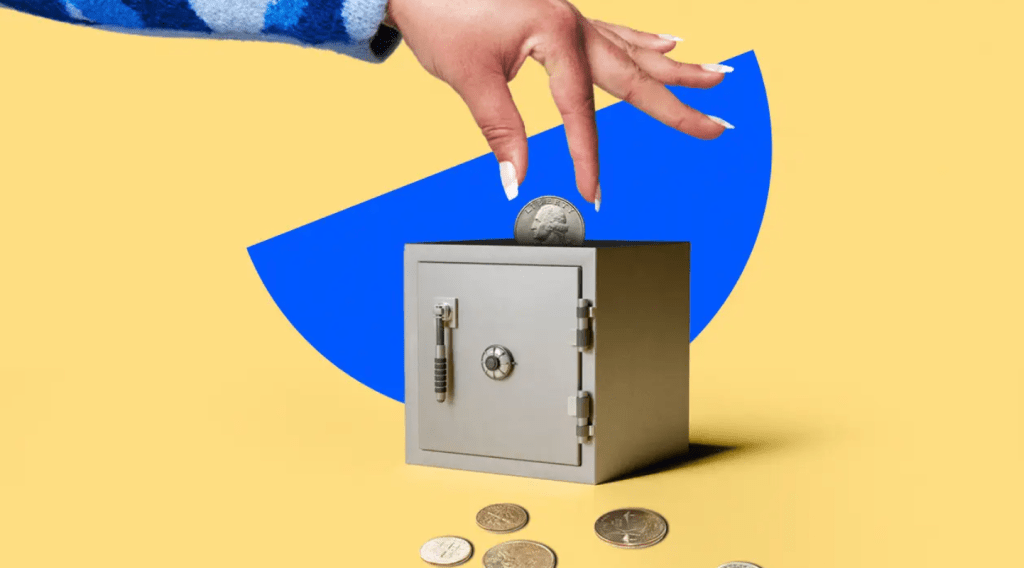
An emergency fund is a savings cushion set aside specifically to cover unexpected expenses or financial hardships. It is money you can access quickly when life throws a curveball, such as a job loss, medical emergency, urgent home repair, or unexpected travel need.
Unlike investment accounts, where your money might fluctuate in value or be harder to access, an emergency fund should be safe, stable, and easily available. This is why most experts recommend keeping your emergency fund in a high-yield savings account or in short-term treasury bills. These options offer security, a modest return, and quick access when you need it most.

Why Are Emergency Funds Important?
Life is unpredictable. Having an emergency fund helps you stay financially stable when the unexpected happens. Without one, you may be forced to rely on high-interest credit cards, personal loans, or even dip into long-term investments, which can create a spiral of debt or missed financial opportunities.
An emergency fund gives you peace of mind. Knowing you can handle sudden expenses without derailing your financial goals builds confidence and protects the progress you have made. It also provides flexibility. If you lose a job, an emergency fund buys you the time to find the right next step instead of feeling pressured to take the first available option.
Financial advisors often suggest having between 6 to 12 months’ worth of essential expenses saved. Essential expenses include your rent or mortgage, utilities, food, insurance, transportation, and minimum debt payments. This amount ensures that you have enough time to recover from a major setback without panic.
How to Start an Emergency Fund
Starting an emergency fund might seem overwhelming, but with a step-by-step approach, it becomes manageable. Here are some practical tips to get started:
Calculate Your Monthly Essentials
Make a list of your core monthly expenses. Add up the minimum amount you need each month to keep your life running smoothly. Multiply that number by 6 to 12, depending on how secure you want to feel. This gives you a clear savings goal.
Open a Separate High-Yield Savings Account
Keeping your emergency fund separate from your everyday checking account prevents you from accidentally spending it. Choose a high-yield savings account that offers competitive interest rates with no monthly fees. This helps your money grow while staying safe.
Start Small and Be Consistent
If saving six months of expenses sounds impossible right now, start smaller. Aim for $500 or $1,000 as an initial goal. Then, set up automatic transfers from your checking account to your savings account every payday. Treat your emergency fund contribution like a recurring bill.
Save Unexpected Income
Whenever you receive a tax refund, work bonus, cash gift, or side hustle income, put a portion or all of it into your emergency fund. This can speed up your savings progress significantly.
Keep Building Until You Reach Your Target
Even once you reach a small milestone, keep saving steadily. Your future self will thank you when a financial challenge arises and you can handle it with confidence.
Building a Strong Financial Foundation
An emergency fund is a cornerstone of a healthy financial life. It protects your investments, supports your mental well-being, and keeps you moving toward your goals even when things do not go as planned. Combine this foundation with smart budgeting, a commitment to living below your means, and investing wisely in assets like the S&P 500, and you are well on your way to financial freedom.
Reading books on money, tracking your progress with budgeting apps, and working with a trustworthy financial advisor can also help you stay disciplined and focused. True financial security is built one smart choice at a time.nancial challenges.



 Winchell House
You must be logged in to post a comment.