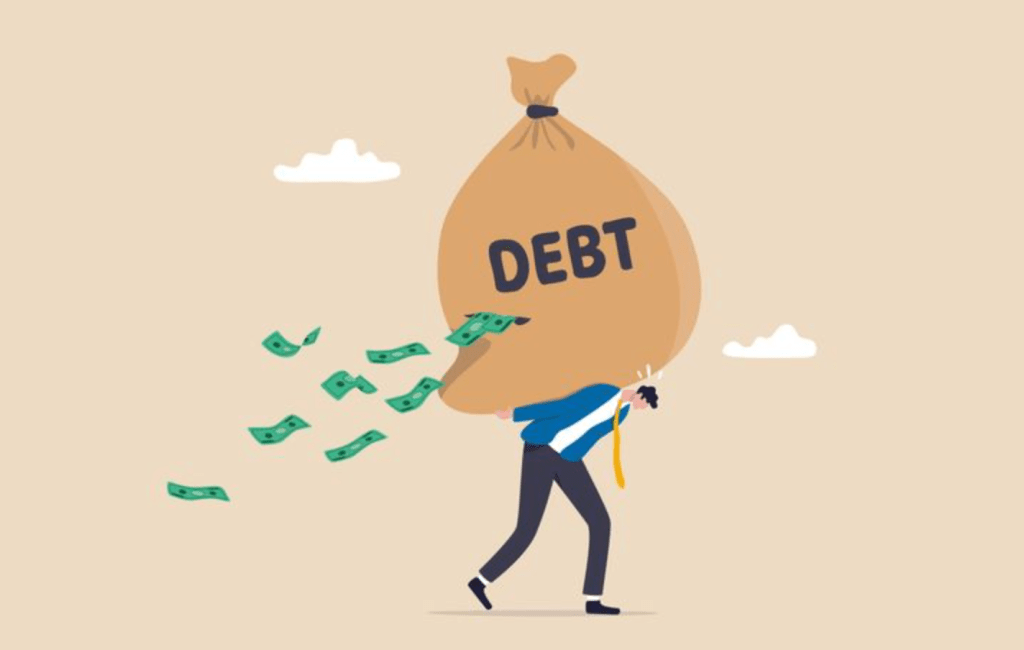
Debt can be overwhelming, affecting not only your financial stability but also your mental and emotional well-being. In the United States, the average household debt is over $144,000, with many individuals struggling to make ends meet. In this comprehensive guide, we’ll explore the different types of debt, discuss the consequences of debt, and provide actionable strategies, tips, and tricks to help you manage and eliminate debt.
Types of Debt
- Credit Card Debt: High-interest debt with average APRs ranging from 15% to 30%.
- Student Loan Debt: Federal and private loans for education expenses, with varying interest rates and repayment terms.
- Mortgage Debt: Secured debt for purchasing a home, with fixed or adjustable interest rates.
- Personal Loan Debt: Unsecured loans for various purposes, such as consolidating debt or financing large purchases.
- Medical Debt: Unpaid medical bills, which can be sent to collections and negatively impact credit scores.
Consequences of Debt
- Financial Stress: Debt can lead to anxiety, depression, and relationship problems.
- Credit Score Damage: Missed payments, high credit utilization, and collections can significantly lower your credit score.
- Debt Spiral: Accumulating interest and fees can create a cycle of debt that’s difficult to escape.
- Limited Financial Options: Excessive debt can limit your ability to secure new credit, loans, or mortgages.

Strategies for Managing Debt
- Debt Snowball Method: Prioritize debts by balance, focusing on the smallest debt first while making minimum payments on others.
- Debt Avalanche Method: Prioritize debts by interest rate, focusing on the highest-interest debt first while making minimum payments on others.
- Debt Consolidation: Combine multiple debts into a single loan with a lower interest rate and a single monthly payment.
- Negotiate with Creditors: Reach out to creditors to discuss temporary hardship programs, reduced interest rates, or settlements.
- Credit Counseling: Non-profit credit counseling agencies can provide personalized advice and assistance.
Additional Tips and Tricks
- Create a Budget: Track your income and expenses to understand where your money is going and identify areas for reduction.
- Cut Expenses: Reduce discretionary spending to allocate more funds towards debt repayment.
- Use the 50/30/20 Rule: Allocate 50% of your income towards essential expenses, 30% towards discretionary spending, and 20% towards saving and debt repayment.
- Consider a Balance Transfer: Transfer high-interest debt to a lower-interest credit card or loan.
- Automate Your Payments: Set up automatic payments to ensure timely payments and avoid late fees.
Debt Forgiveness and Settlement Options
- Debt Forgiveness Programs: Some creditors offer forgiveness programs, such as income-driven repayment plans for student loans.
- Debt Settlement: Negotiate with creditors to settle debts for less than the original amount.
- Bankruptcy: A last resort, bankruptcy can provide a fresh start but has significant long-term consequences.
Conclusion
Managing debt requires patience, discipline, and a solid understanding of your financial situation. By implementing the strategies, tips, and tricks outlined in this guide, you’ll be well on your way to achieving financial independence. Remember, debt is not a life sentence – with the right approach, you can overcome debt and build a brighter financial future.




 Winchell House
You must be logged in to post a comment.