
Dave Ramsey is a well-known personal finance author, speaker, and radio show host who has been helping people get out of debt and build wealth for over two decades. His approach is centered around the Baby Steps, a straightforward, step-by-step plan that has been widely successful in helping individuals achieve financial stability.
The 7 Baby Steps: A Roadmap to Financial Freedom
The Dave Ramsey method is built around the 7 Baby Steps, which are designed to be completed in order. Here’s a breakdown of each step:
Step 1: Save $1,000 as an Emergency Fund
The first step is to save $1,000 as quickly as possible. Your emergency fund will cover unexpected expenses, such as car repairs or medical bills, and prevent you from going further into debt.
Step 2: Pay off all debt using the Debt Snowball
Next, focus on paying off all non-mortgage debt, including credit cards, student loans, and personal loans. The Debt Snowball method involves listing your debts from smallest to largest and paying them off one by one, while making minimum payments on the others.
Step 3: Save 3-6 months of expenses in a Savings account
Once you’ve paid off your debt, it’s time to build a larger emergency fund to cover 3-6 months of living expenses. This fund will provide peace of mind and protect you from financial shocks.
Step 4: Invest 15% of your income in Retirement accounts
Now it’s time to start building wealth by investing in tax-advantaged retirement accounts, such as 401(k), IRA, or Roth IRA.
Step 5: Save for College for your children
If you have children, consider saving for their education expenses through a 529 college savings plan or an ESA (Education Savings Account).
Step 6: Pay off your Mortgage
The next step is to focus on paying off your mortgage, which can be a significant expense. Consider refinancing or making extra payments to pay off your mortgage faster.
Step 7: Build Wealth and Give Generously
The final step is to build wealth and use it to achieve your long-term financial goals, such as retirement or charitable giving.
Where to start with Dave Ramsey
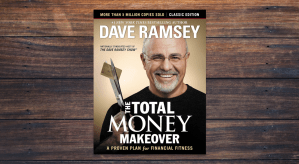
If this page is your first encounter with Ramsey, start with the source material rather than the hot takes. His flagship book, The Total Money Makeover, is the fullest version of the Baby Steps, written in the plainspoken tone that made the radio show work: short chapters, heavy on stories of real people who dug out of debt, light on theory. The review on this site covers what is inside and who it fits best.
After the book, the back catalog of The Ramsey Show, his long-running call-in program, is the cheapest education in personal finance available. Hearing hundreds of strangers walk through the same debt payoff, in their own words, teaches the psychology better than any single chapter. If you prefer structure, his Financial Peace University course packages the same material with workbooks and group accountability, though it costs money the book does not.
Pros and Cons of the Dave Ramsey Method
While the Dave Ramsey method has been widely successful, it’s not without its critics. Here are some pros and cons to consider:
Pros:
- Simple and straightforward: The Baby Steps are easy to understand and follow.
- Debt reduction: The Debt Snowball method can be an effective way to pay off debt quickly.
- Emphasis on emergency fund: Building an emergency fund provides peace of mind and financial security.
Cons:
- Too rigid: Some critics argue that the Dave Ramsey method is too inflexible and doesn’t account for individual circumstances.
- Investment strategy: Some experts disagree with Dave Ramsey’s investment advice, which emphasizes mutual funds over other investment options.
- Fees associated with Financial Peace University: While the Dave Ramsey method can be implemented on your own, some critics argue that the fees associated with Financial Peace University (FPU) are too high.
The Dave Ramsey method has helped millions of Americans achieve financial independence, and it can work for you too. By following the 7 Baby Steps and staying committed to your financial goals, you can break free from debt and build wealth. While it’s not perfect, the Dave Ramsey method provides a clear roadmap to financial freedom and is definitely worth considering.
The main criticisms, stated fairly
No honest profile skips the pushback, and Ramsey’s critics make substantive points. The most cited is his 12% figure: Ramsey often describes 12% as a reasonable long-run expectation for stock market returns, while critics note that the commonly cited long-run average is closer to 10% nominal, and lower after inflation. Planning on 12% makes every projection look rosier than the math supports.
Critics also flag the SmartVestor program, through which financial pros pay Ramsey’s company for client referrals, as a conflict of interest, and argue that his blanket rejection of credit cards and credit scores ignores how the modern financial system actually works for renters, travelers, and anyone financing a home. The fair reading is the one this page already suggests in its title framing: the Baby Steps are a behavioral program that works because they are simple and sequential, not because every number in them is precise. Judge the method on what it does for people who follow it, which is considerable, and adjust the fine print for your own situation.









 Winchell House
You must be logged in to post a comment.