
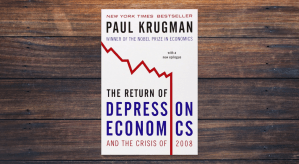
Born on February 28, 1953, Paul Krugman earned his Ph.D. in economics from MIT in 1977. He went on to become a professor at Princeton University and later joined The New York Times as an op-ed columnist in 1999. Krugman’s work has been widely acclaimed, earning him the Nobel Memorial Prize in Economic Sciences in 2008.
Key Economic Concepts
Krugman’s expertise spans various economic areas, including:
- Keynesian Economics: Krugman advocates for government intervention in times of economic downturn, emphasizing the importance of aggregate demand.
- International Trade: He supports free trade, arguing it promotes economic growth and efficiency.
- Income Inequality: Krugman highlights the consequences of rising income inequality, advocating for policies addressing economic disparities.
Personal Finance Takeaways
While Krugman’s work focuses on macroeconomics, his insights have practical implications for personal finance:
- Diversification: Spread investments across asset classes to minimize risk, echoing Krugman’s advocacy for diversified trade.
- Long-term Perspective: Adopt a long-term view when investing, mirroring Krugman’s emphasis on sustained economic growth.
- Fiscal Responsibility: Balance budgets and manage debt, reflecting Krugman’s support for prudent fiscal policy.
Actionable Tips
To apply Krugman’s principles to your personal finances:
- Create an Emergency Fund: Set aside 3-6 months’ expenses to weather economic downturns.
- Invest Wisely: Allocate assets across stocks, bonds, and real estate for diversified growth.
- Monitor Expenses: Track spending and adjust budgets to maintain fiscal balance.
Paul Krugman’s work offers valuable lessons for individuals seeking to navigate the intricacies of personal finance. By embracing diversification, long-term thinking, and fiscal responsibility, you can strengthen your financial resilience and make informed decisions.



 Winchell House
You must be logged in to post a comment.