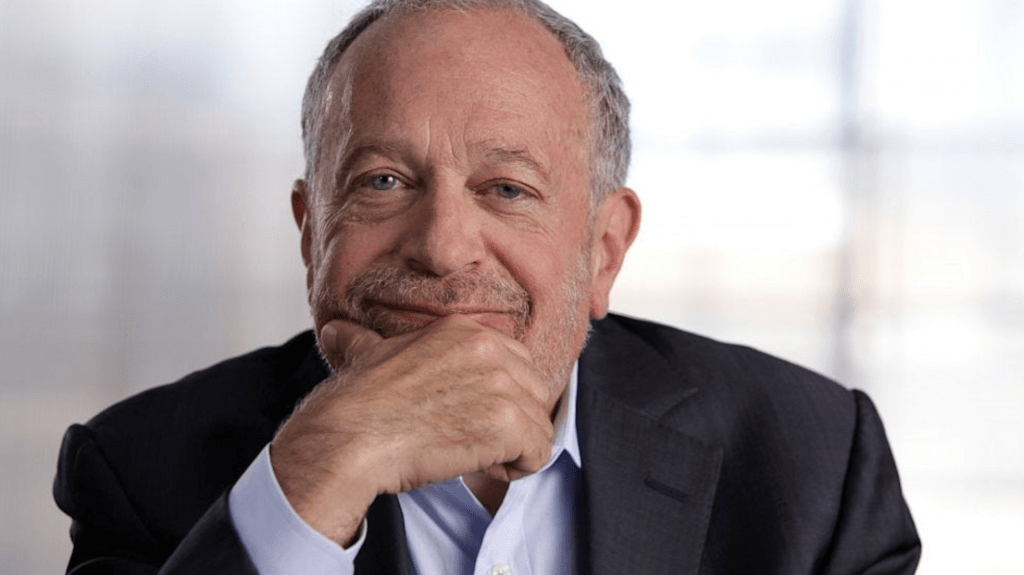
Robert Reich is a prominent American economist, professor, author, and political commentator. Known for his sharp insights into economic inequality and public policy, Reich has dedicated much of his career to advocating for a fairer economy. With decades of experience in academia and public service, he has become a trusted voice in economic discussions. Reich’s work is particularly relevant to individuals seeking financial independence and strategies to navigate economic challenges.
Reich’s Biography
Born on June 24, 1946, in Scranton, Pennsylvania, Robert Reich grew up in a modest household. He pursued higher education at Dartmouth College, where he earned his undergraduate degree. Reich then attended the University of Oxford as a Rhodes Scholar, earning a Master of Philosophy degree. He later completed his Juris Doctor at Yale Law School.
Reich’s career in public service began in the late 1970s, but he gained national prominence as the Secretary of Labor under President Bill Clinton from 1993 to 1997. During his tenure, he focused on policies to promote job training, education, and economic security for working families. After leaving the Clinton administration, Reich transitioned to academia and public advocacy, becoming a professor of public policy at the University of California, Berkeley.
Reich’s Finance Experience
While Robert Reich is not a personal finance expert in the traditional sense, his deep understanding of macroeconomics and labor policy provides valuable lessons for individuals navigating their own financial journeys. Reich has extensively analyzed topics such as income inequality, the importance of investing in education, and the economic forces that shape job markets. His insights help readers understand the broader economic context that influences personal finances, from wages to investment opportunities.
For example, Reich emphasizes the significance of building financial resilience in an era of economic volatility. His critiques of wealth concentration and advocacy for policies that benefit middle-class families align with our values of frugality and strategic investing.
Books by Reich
Robert Reich has authored numerous books that delve into economics, public policy, and societal inequality. Some of his most influential works include:
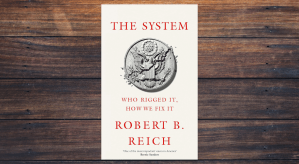
- The System: Who Rigged It, How We Fix It – Reich argues that America’s economic and political systems have been captured by a small elite class (or the “oligarchy”). These are powerful individuals and corporations who use lobbying, campaign donations, and influence to bend the rules in their favor.
- Saving Capitalism: For the Many, Not the Few – This book examines the structural imbalances in capitalism and offers solutions to create a more equitable economy.
- The Work of Nations: Preparing Ourselves for 21st Century Capitalism – Reich explores how globalization and technology have reshaped the labor market and what individuals and policymakers can do to adapt.
- Aftershock: The Next Economy and America’s Future – This book analyzes the economic aftermath of the 2008 financial crisis and presents ideas to stabilize the economy.
- Supercapitalism: The Transformation of Business, Democracy, and Everyday Life – Reich critiques how modern capitalism prioritizes profits over social good.
These books provide insights into economic trends and actionable ideas for individuals and policymakers alike.
What Can We Learn from Reich
We can draw several lessons from Robert Reich’s work:
Understand Economic Contexts: Reich’s analyses help individuals comprehend the broader economic forces that influence their financial decisions, from market trends to labor policies.
Advocate for Financial Resilience: Reich’s emphasis on economic security underscores the importance of creating emergency funds, avoiding excessive debt, and investing in long-term financial stability.
Stay Informed: By staying aware of economic policies and trends, readers can make more informed decisions about their careers, investments, and budgets.
Similar Personal Finance Figures
While Robert Reich focuses on macroeconomic issues, several other figures offer complementary insights into personal finance:
Ramit Sethi: Author of I Will Teach You to Be Rich, Sethi offers actionable advice on managing money, investing, and living a rich life without unnecessary sacrifices.
Suze Orman: A financial advisor and author, Orman provides guidance on saving, retirement planning, and achieving financial independence.

Final Thoughts
Robert Reich’s work offers a unique perspective on the economic systems that shape personal finances. By understanding his insights, readers can better navigate the challenges of economic inequality, advocate for policies that benefit their communities, and build resilient financial lives.
Combining Reich’s macroeconomic wisdom with practical strategies from other personal finance experts creates a well-rounded approach to achieving financial independence.



 Winchell House
You must be logged in to post a comment.