
Michael Lewis is a best-selling author and financial journalist whose works include Liar’s Poker, The Big Short, and Fast Boys. His career began as a bond salesman at Salomon Brothers, an experience he documented in Liar’s Poker. Over time, Lewis shifted his focus to writing, using his insider’s perspective to demystify the worlds of finance, sports, and economics.
Through his books, Lewis has shown readers how markets function—and sometimes malfunction—revealing the human behaviors and institutional systems behind the numbers.
Understand Risk and Reward
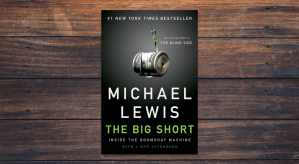
One of the central themes in Michael Lewis’s work is the idea of risk. In The Big Short, he chronicles how a few savvy investors spotted flaws in the housing market before the 2008 financial crisis, turning a catastrophe into an opportunity. Their success wasn’t due to luck—it was the result of thorough research, skepticism, and a willingness to go against the crowd.
For personal finance, this underscores the importance of:
- Doing Your Homework: Before making investment decisions, understand the risks and rewards involved.
- Staying Disciplined: Avoid emotional decision-making and stick to your financial plan.
- Being Skeptical: Question trends and avoid herd mentality.
Small Decisions Compound Over Time
In Moneyball, Lewis explains how the Oakland Athletics used data analytics to build a competitive baseball team on a budget. By focusing on undervalued metrics, the team achieved outsized results.
Similarly, personal finance is often about making small, consistent decisions that add up over time. For example:
- Budgeting: Track spending and prioritize needs over wants.
- Investing Early: Even small contributions to a 401(k) or an index fund like $VOO can grow significantly due to compound interest.
- Cutting Unnecessary Costs: Identify areas where you can save, such as reducing dining-out expenses or renegotiating subscriptions.
Books By Michael Lewis


Embrace Simplicity
Lewis’s writing often highlights the power of simplicity in cutting through complexity. In Liar’s Poker, he exposes how Wall Street’s jargon and culture can obscure straightforward truths about money and value.
For individuals, embracing simplicity can mean:
- Using Index Funds: Instead of trying to beat the market, invest in low-cost index funds like $VOO, which have historically delivered steady returns.
- Automating Savings: Set up automatic transfers to a high-yield savings account or investment account to ensure consistency.
- Avoiding Overcomplication: You don’t need to chase exotic investments. Focus on proven strategies that align with your goals.
Be Adaptable
Lewis’s stories often showcase individuals who succeeded by adapting to changing circumstances. In The Undoing Project, he explores the psychology behind decision-making, showing how biases and blind spots can lead to mistakes.
To apply this lesson:
- Revisit Your Budget: Adjust your spending plan as your circumstances evolve.
- Stay Educated: Continuously learn about personal finance to make informed decisions.
- Be Flexible: Life is unpredictable, so build an emergency fund and diversify your investments to cushion against setbacks.
What You Can Do Today
Inspired by Michael Lewis’s insights, here are actionable steps you can take to improve your financial well-being:
- Review Your Risk Tolerance: Assess how much risk you’re comfortable with and ensure your investments align with your goals.
- Track Your Spending: Use budgeting tools like Simplifi to identify areas for improvement.
- Start Small but Consistent: Begin building a nest egg in $VOO or another index fund.
- Invest in Knowledge: Read books like The Big Short or Liar’s Poker to deepen your understanding of financial systems.
By taking these steps, you can channel the lessons from Michael Lewis’s work into actionable strategies for your own financial journey. With patience, discipline, and adaptability, you’ll be well on your way to achieving your goals.




 Winchell House
You must be logged in to post a comment.