
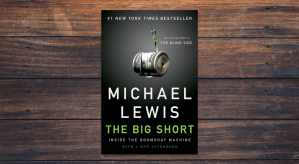
Michael Lewis’s The Big Short is a riveting account of the 2008 financial crisis that continues to captivate readers with its incisive look into the inner workings of Wall Street. In this book review, we’ll explore who Michael Lewis is, provide a summary of The Big Short, discuss what lessons we can learn from the book, and compare the book to its blockbuster movie adaptation. We’ll also suggest other Michael Lewis titles for those eager to dive deeper into the world of finance. Whether you’re striving for financial independence, trying to tighten your budget, or seeking guidance on managing credit card debt, this review will help you understand why this book is a must-read for anyone interested in personal finance.
Who is Michael Lewis?

Michael Lewis is a renowned author and financial journalist known for his ability to break down complex financial events into engaging narratives that are accessible to the everyday reader. With a background in economics and a keen eye for detail, Lewis has built his reputation on books that demystify high finance and expose the hidden forces behind major economic events. His work, including titles like Moneyball and Liar’s Poker, has earned him accolades for his narrative style and thorough research, making his books popular not only among finance professionals but also among anyone with an interest in understanding how the financial world works.
Book Summary
The Big Short provides a detailed account of the events leading up to the financial meltdown of 2008. The book follows a group of unconventional investors who recognized the instability in the housing market and the dangerous practices within the financial sector long before the crisis hit. Through a blend of storytelling and analysis, Lewis explains how risky mortgage-backed securities and flawed ratings systems contributed to a massive economic collapse. He shines a light on the practices that allowed credit card debt and other forms of high-risk borrowing to escalate unchecked, ultimately demonstrating that even the most seemingly stable financial systems can be vulnerable when oversight and common sense are in short supply.
Who is the Book Written For?
The Big Short is written for readers who are interested in understanding the complexities of financial markets and the underlying causes of economic crises. It’s an ideal read for those who want to gain insights into how financial systems work, why markets can be volatile, and how a few key decisions can have far-reaching consequences.
Whether you’re a seasoned investor, a financial advisor, or someone just beginning your journey to financial independence, the book offers valuable lessons on skepticism, critical analysis, and the importance of being informed about financial products and market trends.
Personal Finance Lessons
We advocate for a frugal lifestyle, responsible budgeting, and long-term investing strategies such as building a nest egg in the S&P 500. The Big Short offers several lessons that resonate with these principles:
- Understand Risk: Just as the investors in The Big Short uncovered hidden risks in the financial system, it’s crucial for personal finance enthusiasts to understand the risks associated with debt, such as credit card debt, and to plan accordingly.
- Due Diligence: The importance of thorough research and questioning conventional wisdom is a recurring theme. Whether you’re choosing a high-yield savings account, evaluating short-term treasury bills, or investing in the S&P 500, doing your homework is essential.
- Long-Term Planning: The book underscores the value of long-term strategies over short-term gains. For readers aiming for financial independence, building a diversified portfolio and planning for the future (such as owning your home instead of renting) can offer greater stability and growth.
Comparing the Book and the Movie
Both the book and the movie adaptation of The Big Short have received widespread acclaim, though each has its unique strengths:
- Depth and Detail: The book delves deeply into the technical aspects of the financial instruments and the systemic flaws that led to the crisis. It provides a more comprehensive analysis than the movie, making it an excellent resource for readers who enjoy a detailed exploration of financial topics.
- Engagement and Accessibility: The movie, with its engaging visuals and performances, makes the complex subject matter more accessible to a wider audience. While it captures the essence of the crisis, it inevitably condenses some of the finer details that the book meticulously covers.
- Educational Value: The book offers a richer educational experience, particularly for those interested in understanding the mechanics of market failures and the importance of sound budgeting and investment practices.
Final Thoughts
The Big Short by Michael Lewis is more than just a chronicle of a financial disaster. It’s a lesson in vigilance, critical thinking, and the importance of understanding the systems that govern our financial lives.
Whether you’re managing your budget, tackling credit card debt, or consulting with a financial advisor, the insights from The Big Short can empower you to take control of your financial destiny and plan for a more stable future.



 Winchell House
You must be logged in to post a comment.