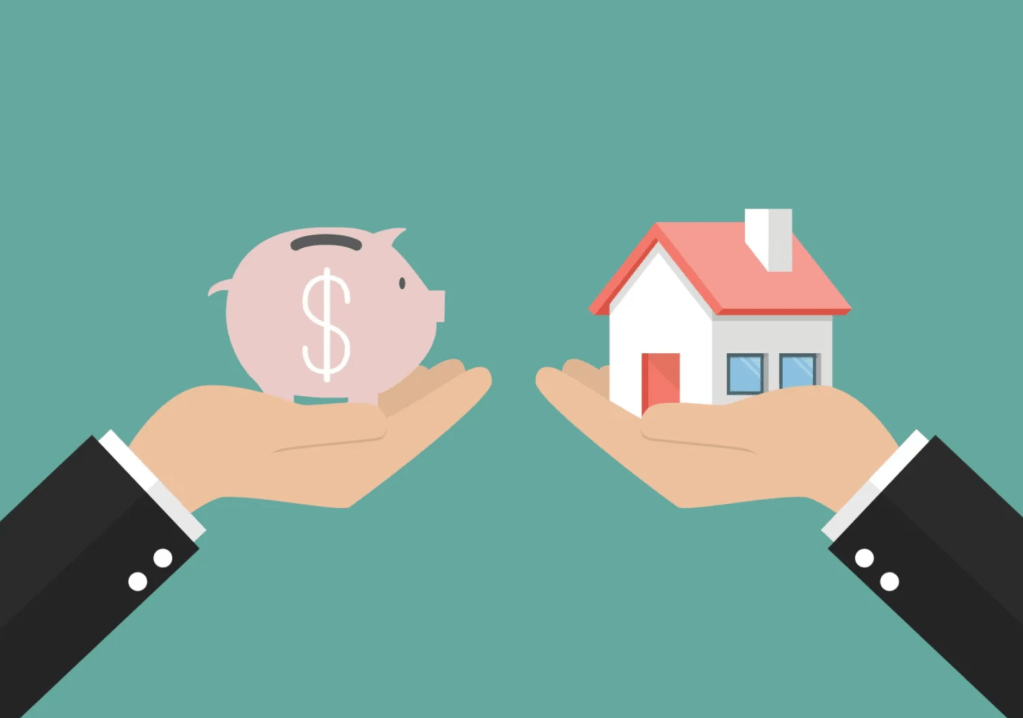
Renting versus owning a home has been a debate for decades. However, as we approach 2025, the financial benefits of homeownership continue to outweigh renting for many Americans. While renting offers flexibility, it often comes at a long-term financial cost.
Let’s dive into why homeownership is still the better option in 2025 and how it can set you on the path to financial independence.
Building Equity: Turning Payments Into an Asset
When you rent, your monthly payments disappear into your landlord’s pocket. You’re essentially paying someone else’s mortgage. On the other hand, when you own a home, your monthly mortgage payment builds equity—a valuable asset that grows over time.
Equity is the portion of your home that you own outright, and it increases as you pay down your mortgage. Over the years, home equity can become a significant portion of your net worth, which you can later use for retirement, emergencies, or even purchasing another property.
Fixed Costs Protect You From Rising Rents
Rents across the United States have been steadily increasing for years, and that trend is expected to continue in 2025. When you rent, you are at the mercy of your landlord’s annual price hikes. Owning a home with a fixed-rate mortgage locks in your housing costs for 15 to 30 years, protecting you from inflation and rising rental prices.
This stability allows you to budget effectively and allocate more of your income toward investments like $VOO (an S&P 500 index fund) or short-term treasury bills, which can help grow your wealth over time.
Tax Advantages of Homeownership
Owning a home comes with tax benefits that renters simply don’t get. Homeowners can deduct mortgage interest and property taxes on their federal income tax returns, which can lower their overall tax bill. While these deductions won’t apply to everyone, they are especially beneficial for higher earners or those living in areas with significant housing costs.
Additionally, if you eventually sell your home, you may qualify for capital gains tax exclusions on up to $250,000 (or $500,000 for married couples) of profit, as long as you meet the criteria. This is a major financial advantage that renters miss out on entirely.

Homeownership as a Hedge Against Inflation
Inflation erodes the purchasing power of money over time. However, real estate has historically served as a hedge against inflation. As the value of goods and services rises, so does the value of real estate, meaning your home will likely appreciate in value over the years.
For example, homeowners who bought their properties just five to ten years ago have often seen significant increases in their home values. This appreciation not only increases your net worth but also helps counteract the impact of inflation.
Forced Savings: The Mortgage Effect
For many people, a mortgage acts as a form of forced savings. Each monthly payment reduces the principal balance of your loan and builds your home equity. Unlike renting, where you don’t retain any financial benefit, homeownership ensures that a portion of your money is being saved and invested in a tangible asset.
Over time, this forced savings can be incredibly powerful. By the time you pay off your mortgage, you own a valuable asset outright—providing you with housing security and financial freedom.
Pride of Ownership and Stability
Homeownership isn’t just about the numbers; it also provides a sense of pride and stability. Owning your home allows you to customize your living space, create lasting memories, and put down roots in a community. These emotional benefits can improve your quality of life and make your financial journey feel even more rewarding.
Renting, on the other hand, often comes with limitations. You may be subject to strict rules, unexpected lease terminations, or restrictions on how you can personalize your living space.
The Financial Case for Homeownership in 2025
We recommend prioritizing homeownership as a key financial goal. By investing in a home, you are:
- Building equity and growing your net worth.
- Protecting yourself from rising rents and inflation.
- Taking advantage of tax benefits that can save you money.
- Ensuring forced savings through mortgage payments.
If you’re not ready to buy a home yet, start preparing by living a frugal lifestyle, saving in a HYSA, and investing your excess money in the S&P 500 or short-term treasury bills. These steps will help you build a solid financial foundation and put you on track to achieve homeownership.
Final Thoughts: Is Renting Really a Waste of Money?
While renting may make sense for short-term situations or if you need flexibility, it’s often a financial dead end in the long run. Homeownership, on the other hand, provides you with stability, wealth-building opportunities, and protection against inflation.
If you’re serious about achieving financial independence, owning your home is a smart step to take in 2025 and beyond.


 Winchell House
You must be logged in to post a comment.