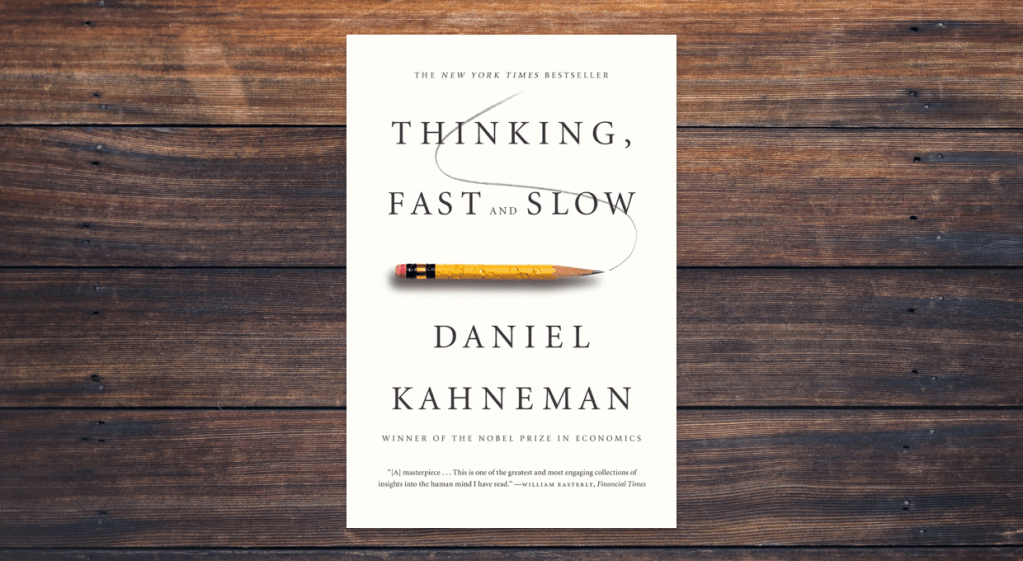
Thinking, Fast and Slow is not only a groundbreaking work in psychology and behavioral economics, but it also offers valuable lessons that can be directly applied to personal finance. We believe in the power of frugality, strategic budgeting, and smart investments, this book comes highly recommended for anyone on their journey toward financial independence.
Who is Daniel Kahneman?

Daniel Kahneman is a Nobel Prize-winning psychologist renowned for his work on the psychology of judgment and decision-making. His research has reshaped how economists and financial advisors view human error and risk. By exploring how our minds work—particularly the interplay between intuitive, rapid thinking and slower, more deliberate reasoning—Kahneman provides insights that are crucial for anyone looking to optimize their financial decisions, whether it’s managing a budget, avoiding credit card debt, or planning for a secure retirement.
Summary of Thinking, Fast and Slow
In Thinking, Fast and Slow, Kahneman breaks down the human thought process into two systems:
- System 1: Fast, intuitive, and emotional. This system helps us make snap judgments and decisions quickly, but it can also lead us astray.
- System 2: Slow, deliberate, and logical. This system is responsible for careful analysis and reasoning but requires more effort and time.
Thinking, Fast and Slow explains how these systems interact, often leading to biases and systematic errors in our decision-making. Kahneman discusses concepts such as loss aversion, overconfidence, and anchoring—phenomena that can influence both everyday choices and major financial decisions. By becoming aware of these mental shortcuts, readers can improve their decision-making processes in all areas of life, including managing personal finances.
Applying Lessons from Thinking, Fast and Slow to Personal Finance
The insights from Thinking, Fast and Slow can be especially powerful for those looking to achieve financial independence. Here’s how the book’s lessons can be applied to everyday financial practices:
- Mindful Budgeting: Recognizing when you’re relying on quick, emotional decisions (System 1) can help you avoid impulsive purchases that derail your budget. Use popular budgeting apps to track spending and make thoughtful, deliberate financial choices.
- Investing in the Future: Understanding the pitfalls of overconfidence and the tendency to favor immediate rewards can steer you away from risky investments. Instead, consider the proven strategy of investing excess money in the S&P 500, which historically returns about 10% per year. This aligns with our advice to build a nest egg and pursue long-term financial goals.
- Managing Credit Card Debt: Kahneman’s work shows that people often underestimate the long-term impact of their decisions. When it comes to credit card debt, being aware of these biases can help you develop a disciplined repayment strategy, avoiding high interest rates and unnecessary financial stress.
- Smart Savings Strategies: Utilize high-yield savings accounts and short-term treasury bills as safe, logical options for saving money. These financial tools can serve as a buffer for emergencies, ensuring that your financial decisions are not just driven by immediate impulses but are well-planned for the future.
Final Thoughts
Thinking, Fast and Slow offers more than just an understanding of human psychology—it provides a framework for making better financial decisions. By learning to recognize when our intuition might lead us astray, we can adopt a more disciplined approach to managing our money.
Whether you’re setting a strict budget, working to eliminate credit card debt, or investing in a diversified portfolio with the S&P 500, the lessons from this book can help you build a more secure financial future.
As you continue your journey toward financial independence, let Kahneman’s insights remind you that sometimes, slowing down and thinking things through is the best investment you can make.









 Winchell House
You must be logged in to post a comment.