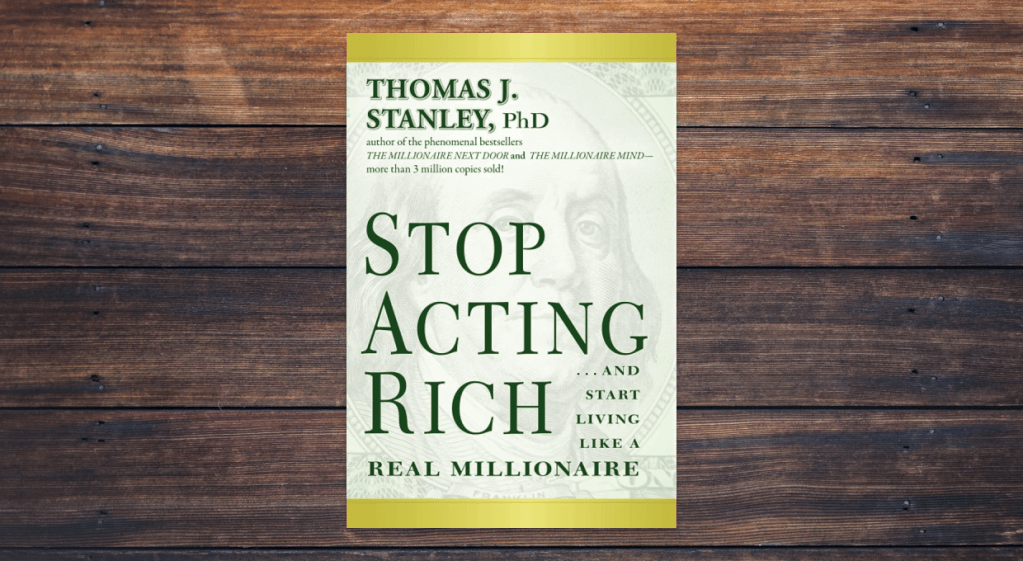
Stop Acting Rich: …And Start Living Like A Real Millionaire by Thomas J. Stanley offers readers a refreshing perspective on wealth-building by challenging the notion that flashy spending equates to success. The book encourages a mindset shift toward frugality, sensible budgeting, and smart investing—principles that align well with the philosophy at Winchell House.
In a world where many chase instant gratification, Stanley’s work reminds us that genuine financial independence is built over time through discipline and practical decision-making.
Who is Thomas J. Stanley?
Thomas J. Stanley is a renowned researcher, author, and business theorist best known for his groundbreaking work on the behaviors and habits of America’s wealthy. His previous bestseller, The Millionaire Next Door, revealed that many millionaires are not the high-flying spenders one might expect, but rather individuals who live well below their means. With Stop Acting Rich, Stanley builds on these insights, urging readers to ditch the pretense of wealth and adopt strategies that lead to real, lasting financial security.
Lessons from Stop Acting Rich
Stop Acting Rich is packed with valuable lessons that resonate with anyone interested in achieving financial independence:
- Frugality and Smart Spending: Stanley emphasizes that living like a real millionaire is less about outward appearances and more about making thoughtful financial choices. By resisting the urge to splurge on status symbols, readers can free up funds to invest in assets that grow over time.
- The Importance of Budgeting: A recurring theme is the need for a realistic budget. Whether you’re trying to manage credit card debt or simply track daily expenses, establishing a clear budget is fundamental to maintaining financial health.
- Investing for the Future: Stop Acting Rich highlights the power of investing, particularly in low-cost index funds like the S&P 500, which has historically returned around 10% annually. This advice dovetails nicely with strategies like using high-yield savings accounts, short-term treasury bills, and building a diversified investment portfolio.
- Homeownership Over Renting: While not the primary focus, the underlying message supports owning your home instead of renting—a strategy that can contribute significantly to long-term wealth accumulation.
- Avoiding Lifestyle Inflation: Stanley warns against the trap of increasing spending in tandem with income. Instead, he advises readers to maintain a modest lifestyle even as their financial resources grow, ensuring that extra income is directed toward building wealth.
Criticisms of the Book
Despite its many strengths, Stop Acting Rich is not without its criticisms:
- Repetitive Themes: Some readers may find that the book reiterates similar points throughout, which can make the narrative feel repetitive.
- Limited Scope: The advice is largely tailored to individuals who are already in a stable financial position, potentially overlooking the complex challenges faced by people in varied economic situations.
- Outdated Examples: Given the shifts in the economic landscape since the book’s publication, certain examples and statistics may not resonate as strongly with today’s audience.
- Lack of Detailed Action Plans: While Stop Acting Rich offers inspiring concepts, it sometimes falls short on providing step-by-step guidance. For readers seeking comprehensive strategies on managing budgets, tackling credit card debt, or selecting a financial advisor, the content might seem somewhat high-level.
Final Thoughts
Stop Acting Rich serves as a timely reminder that true wealth is not measured by how much you spend, but by how wisely you manage and invest your money.
Thomas J. Stanley’s call to embrace frugality, maintain a disciplined budget, and prioritize investments over superficial displays of wealth offers a roadmap to financial independence that is both practical and inspiring.
While Stop Acting Rich has its share of criticisms, its core message remains powerful: by living within your means and planning for the future, you can achieve a level of financial security that many only dream about.
Whether you’re just starting your financial journey or looking to refine your strategies, Stanley’s insights are a valuable addition to your personal finance toolkit.



 Winchell House
You must be logged in to post a comment.