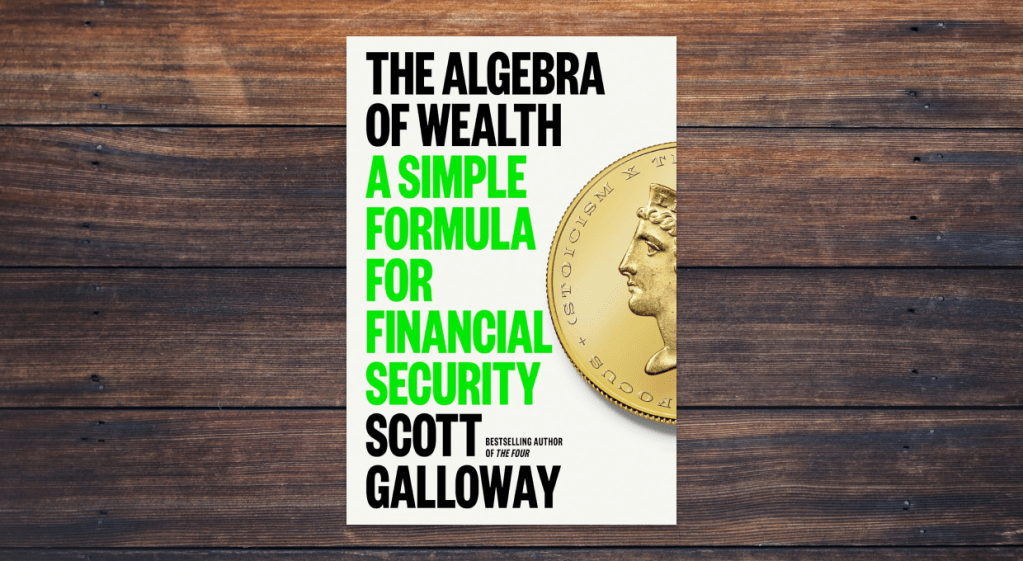
In the journey toward financial independence, finding the right resources can make all the difference. The Algebra of Wealth: A Simple Formula for Financial Security by Scott Galloway offers a unique blend of personal finance insights and business acumen. This book review will provide an overview of Galloway’s approach, highlight the key personal finance lessons within, discuss some criticisms, and suggest similar reads for anyone looking to improve their budget, manage credit card debt, or simply gain a clearer path to financial security.
Who is Scott Galloway?

Scott Galloway is a renowned professor, entrepreneur, and public speaker known for his bold perspectives on business and finance. With a background in academia at institutions like NYU Stern, as well as founding several successful ventures, Galloway brings a unique mix of analytical rigor and practical experience to the table. His work often challenges conventional wisdom, making him a popular figure among those seeking alternative methods to achieve financial independence and long-term wealth.

Lessons from The Algebra of Wealth
At its core, The Algebra of Wealth is about understanding the fundamental equations behind building wealth. Here are some of the standout lessons from the book:
- Budgeting and Living Frugally: Galloway emphasizes the importance of creating a realistic budget and living below your means. This approach aligns with strategies we advocate at Winchell House, where monitoring spending via popular budgeting apps can help manage expenses and avoid pitfalls like overwhelming credit card debt.
- Investing Wisely: One of the key takeaways is the value of investing in diversified assets, particularly the S&P 500. Given its historical return of around 10% per year on average, this investment strategy can serve as a reliable component of a robust financial plan.
- Financial Security through Multiple Streams: The Algebra of Wealth discusses the importance of balancing short-term liquidity with long-term investments. Whether it’s keeping a high-yield savings account, investing in short-term treasury bills, or building a sizable S&P 500 nest egg, Galloway’s formula encourages a balanced approach that minimizes risk while maximizing potential returns.
- Owning vs. Renting: While not the primary focus, the discussion also touches on the benefits of homeownership. This resonates with the Winchell House philosophy of owning your home as a step toward long-term financial stability.
- Mindset and Long-Term Planning: Galloway stresses that achieving financial independence isn’t about quick fixes—it’s about cultivating a disciplined mindset and making informed decisions over time. This holistic perspective is particularly valuable for readers who might otherwise be tempted to seek immediate solutions through quick fixes or even expensive financial advisors.
Criticisms of the Book
While The Algebra of Wealth provides a fresh perspective on wealth-building, it isn’t without its critiques:
- Over-Simplification: Some readers feel that reducing wealth to a simple algebraic formula can be an oversimplification of the complexities of personal finance. Individual circumstances, such as managing credit card debt or unexpected expenses, may not always fit neatly into a formula.
- One-Size-Fits-All Approach: The strategies suggested might not be universally applicable. For instance, while investing in the S&P 500 is generally sound advice, it may not be the best strategy for everyone, especially those with unique financial situations or risk tolerances.
- Less Emphasis on Nuanced Financial Advice: Critics argue that the book sometimes glosses over the importance of tailored advice from a trusted financial advisor, especially when dealing with more complex financial issues. Personal finance is highly individualized, and what works for one person might not work for another.
Final Thoughts
The Algebra of Wealth by Scott Galloway serves as a compelling guide for anyone on the path to financial security. Its straightforward approach to budgeting, investing, and long-term planning can be especially valuable for those just beginning their financial journey.
Whether you’re tackling credit card debt, refining your budget, or debating the merits of hiring a financial advisor, Galloway’s insights provide a useful framework for making more informed financial decisions. Ultimately, combining these lessons with a diversified strategy—one that includes living frugally, owning your home, and investing wisely—can pave the way to lasting financial independence.



 Winchell House
You must be logged in to post a comment.