
The Richest Man in Babylon is a timeless classic in personal finance literature. Written in the 1920s by George Clason, this book uses engaging parables set in ancient Babylon to share enduring money-management principles. We believe that starting your financial journey with solid, simple advice can lead you toward financial independence.
Who is George Clason?
George Clason was an American author and businessman who sought to simplify the complex world of finance through storytelling. In The Richest Man in Babylon, he delivers financial wisdom in the form of parables that illustrate timeless principles such as saving, investing, and living below your means. Clason’s work has inspired countless readers to develop a budget, pay down credit card debt, and take control of their financial futures without relying solely on a financial advisor.
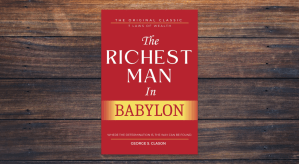
Book Summary
At its core, The Richest Man in Babylon is a collection of short stories that revolve around a group of Babylonian citizens striving to achieve prosperity. The book is organized around key lessons—often referred to as the “Seven Cures for a Lean Purse”—which encourage readers to:
- Start thy purse to fattening: Save a portion of every income.
- Control thy expenditures: Create a budget and live within your means.
- Make thy gold multiply: Invest wisely to build wealth.
- Guard thy treasures from loss: Protect your investments from unnecessary risk.
- Make of thy dwelling a profitable investment: Consider homeownership as a means of wealth creation.
- Ensure a future income: Plan for long-term financial security.
- Increase thy ability to earn: Continuously work on improving your skills and value.
These principles, though delivered through the lens of ancient Babylon, resonate with modern readers by emphasizing discipline, frugality, and the importance of financial planning.
Personal Finance Lessons
The Richest Man in Babylon offers several practical takeaways for anyone looking to start their financial journey:
- Pay Yourself First: One of the core lessons is to save at least 10% of your income before paying for other expenses. This concept remains a fundamental step toward achieving financial independence.
- Budget Wisely: Clason advocates for controlling expenditures, a lesson that aligns with modern budgeting apps. Keeping a close eye on your spending can help prevent overspending and reduce reliance on credit card debt.
- Investing for the Future: The parables stress the importance of making your money work for you. At Winchell House, we echo this by recommending investing excess funds in the S&P 500—a strategy that has historically returned around 10% per year. Complement your investments with a high-yield savings account and consider short-term treasury bills to balance risk.
- Avoiding Debt: While The Richest Man in Babylon does not specifically mention credit cards, its overall message of living within your means is especially relevant in today’s world, where credit card debt can easily spiral out of control.
- Homeownership: Clason’s advice to make your dwelling a profitable investment aligns with modern recommendations to own your home rather than rent. Homeownership can serve as both a personal and financial anchor.
Criticisms of the Book
While The Richest Man in Babylon offers timeless wisdom, it is not without its critics:
- Simplicity Over Nuance: Some readers feel that the book’s advice is overly simplistic. In a modern context, personal finance often requires navigating more complex financial products and market volatility, something that Clason’s parables do not address in detail.
- Outdated Context: The stories are set in ancient Babylon, which can feel disconnected from today’s economic realities. Readers may need to translate these lessons into contemporary strategies, such as using digital budgeting tools or understanding modern investment vehicles.
- Generalized Advice: The Richest Man in Babylon provides broad guidelines that might not account for individual circumstances. While its principles are sound, personalized financial planning may require additional insights from a financial advisor.
Final Thoughts
The Richest Man in Babylon remains a powerful resource for anyone embarking on their financial journey. Its timeless principles—save consistently, budget wisely, invest prudently, and live below your means—provide a solid foundation for achieving financial independence. While some criticisms point to its simplicity and dated context, the core lessons are just as relevant today as they were nearly a century ago.
By taking the advice of George Clason and adapting it to today’s financial landscape, you can build a secure future—one that not only values frugality but also embraces the opportunities that modern financial tools offer. Happy reading and happy saving!









 Winchell House
You must be logged in to post a comment.