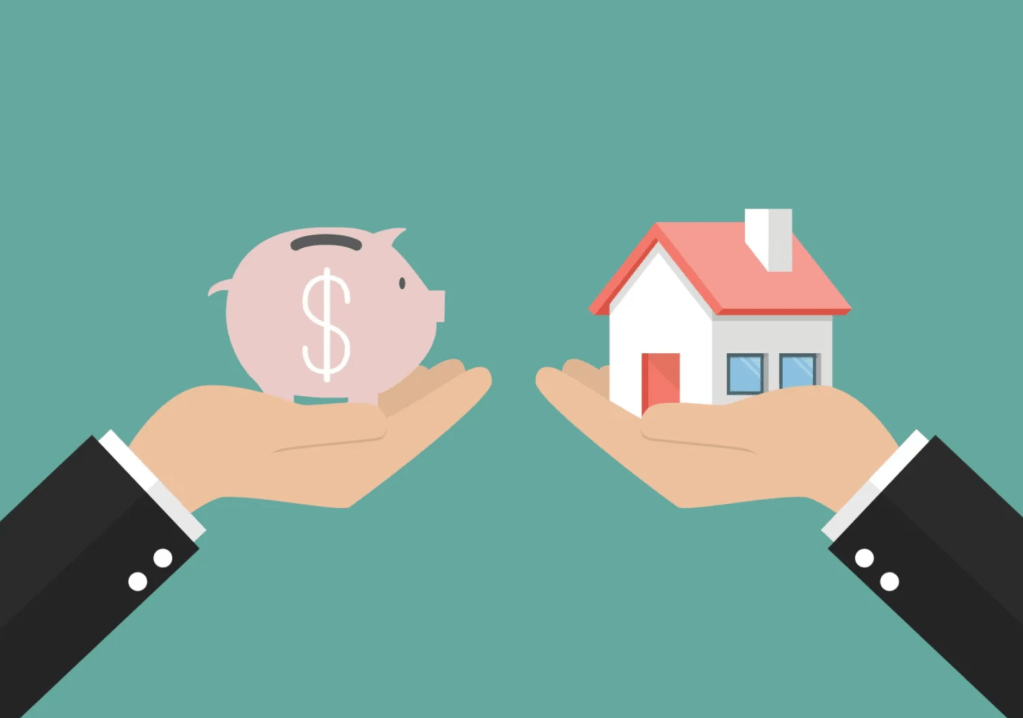
Buying your first home is a significant milestone and one of the most substantial financial decisions you’ll ever make. Choosing the right mortgage lender is a crucial step in this process. Your lender will be your partner throughout your home-buying journey, so it’s essential to find one that suits your financial needs and goals. Here’s how to make the right choice.
Understand Your Mortgage Needs
Before you start comparing lenders, assess your financial situation. Consider the following:
- Credit Score: Your credit score will influence the interest rates and terms lenders offer. Check your credit report for accuracy and work on improving your score if needed.
- Budget: Determine how much house you can afford. Include your down payment, monthly mortgage payment, property taxes, and homeowner’s insurance in your calculations.
- Loan Type: Decide which type of mortgage suits you best. Common options include fixed-rate mortgages, FHA loans, and VA loans. We recommend avoiding ARM loans and sticking with fixed rate loans.
Compare Interest Rates and Fees
Interest rates significantly impact the total cost of your mortgage. A lower interest rate can save you thousands of dollars over the life of the loan. When comparing lenders, pay attention to:
- Annual Percentage Rate (APR): This includes both the interest rate and fees, giving you a clearer picture of the loan’s total cost.
- Closing Costs: These can vary widely among lenders. Ask for a breakdown of fees to understand what you’ll owe at closing.

Check Reviews and Recommendations
Online reviews and personal recommendations can provide valuable insights into a lender’s customer service and reliability. Ask friends, family, or your real estate agent for recommendations. Look for lenders with positive reviews and a track record of closing loans on time.
Evaluate Customer Service
Buying a home can be stressful, so you’ll want a lender who communicates clearly and responds promptly. During your initial interactions, pay attention to:
- Responsiveness: Do they answer your questions quickly and thoroughly?
- Transparency: Are they upfront about rates, fees, and terms?
- Support: Do they offer resources or tools to help you understand your options?
Get Pre-Approved
A mortgage pre-approval shows sellers that you’re a serious buyer and gives you a clear idea of how much you can borrow. During the pre-approval process, you’ll submit financial documents like pay stubs, tax returns, and bank statements. Compare pre-approval offers from multiple lenders to find the best terms.
Ask the Right Questions
When speaking with potential lenders, ask:
- What is the current interest rate for my loan type and credit score?
- Are there any discounts or incentives available?
- What are the estimated closing costs?
- Can I lock in my interest rate? If so, for how long?
- Are there prepayment penalties if I pay off the loan early?
Consider Online Lenders
Traditional banks aren’t your only option. Online mortgage lenders often offer competitive rates and streamlined application processes. However, ensure they have good customer reviews and accessible support if you choose this route.
Negotiate
Don’t be afraid to negotiate. Lenders may be willing to lower fees or offer a better rate if you’ve done your research and have competing offers.
Finalize Your Decision
After comparing lenders and reviewing your options, choose the one that offers the best combination of rates, terms, and customer service. Once you’ve made your decision, review all documents carefully before signing.
By following these steps, you’ll be well-prepared to select a mortgage lender that fits your needs, bringing you one step closer to owning your first home.



 Winchell House
You must be logged in to post a comment.