
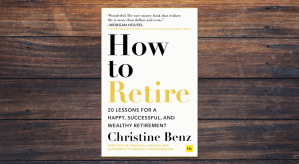
Retirement planning is one of the most critical aspects of achieving financial independence. In How to Retire: 20 Lessons for a Happy, Successful, and Wealthy Retirement, Christine Benz offers readers a roadmap to navigate the complexities of retirement.
How to Retire provides actionable advice on budgeting, investment strategies, and managing emotions related to financial security. Whether you’re decades away from retirement or nearing the finish line, Benz’s insights can help you retire with confidence.
Who is Christine Benz?
Christine Benz is a well-respected personal finance expert and the Director of Personal Finance at Morningstar. With decades of experience in investment research and retirement planning, she is known for her practical and data-driven advice. Benz has written extensively on topics like portfolio allocation, retirement savings, and withdrawal strategies, making her a trusted voice for those looking to build a secure financial future.
Lessons from the Book
Start Retirement Planning Early
Benz emphasizes the importance of compounding returns and how an early start can significantly impact your financial independence.
Develop a Sustainable Withdrawal Strategy
She discusses the 4% rule, annuities, and other methods to ensure retirees don’t outlive their savings.
Manage Risk with Asset Allocation
How to Retire highlights the balance between stocks, bonds, and cash, helping readers create a diversified portfolio.
Consider Tax Efficiency
Benz covers tax-friendly investment accounts like Roth IRAs and strategies to minimize tax liabilities in retirement.
Plan for Healthcare Costs
With rising healthcare expenses, she provides guidance on Medicare, health savings accounts (HSAs), and long-term care planning.
Understand Emotional and Lifestyle Adjustments
Retirement isn’t just about money; Benz discusses the psychological shift from earning a paycheck to living off savings.
Criticisms of the Book
While How to Retire is packed with valuable advice, some readers may find it overly focused on traditional investment strategies.
Those looking for alternative retirement planning approaches, such as real estate investing or passive income generation, may not find as much content in those areas.
Additionally, some concepts may feel repetitive if you’re already familiar with fundamental personal finance principles.
Final Thoughts
How to Retire is a well-rounded guide for anyone serious about retirement planning. It provides a mix of practical advice, investment strategies, and psychological insights to help readers transition into retirement smoothly.
While some readers may wish for more alternative strategies, How to Retire is an excellent resource for those following a traditional path to financial independence.
If you’re looking to solidify your retirement strategy, How to Retire is worth adding to your reading list.









 Winchell House
You must be logged in to post a comment.