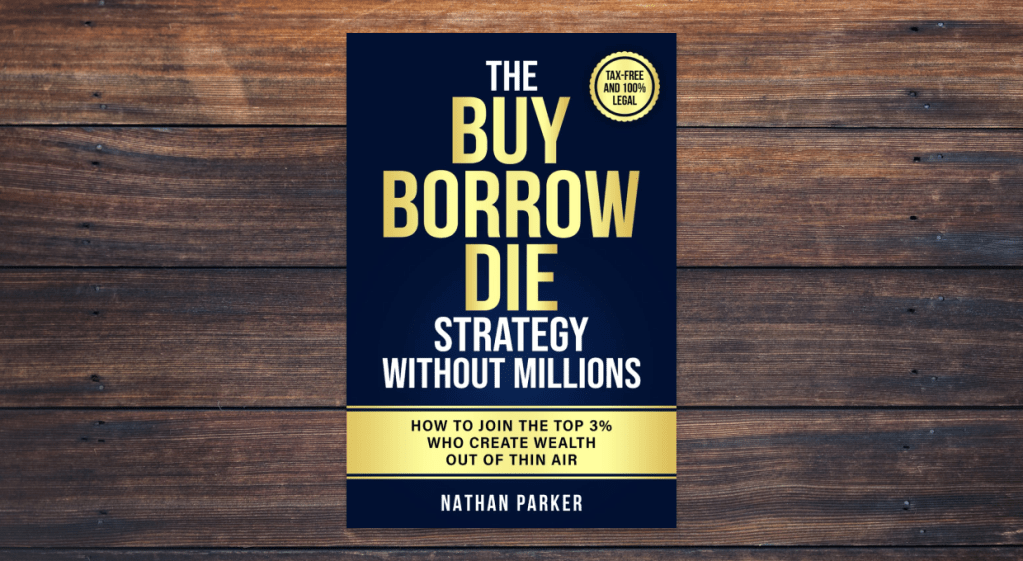
Nathan Parker’s The Buy Borrow Die Strategy Without Millions: How to Join the Top 3% Who Create Wealth Out of Thin Air explores a topic that’s usually reserved for the ultra-wealthy. In this approachable, often conversational guide, Parker breaks down the financial strategy known as “Buy, Borrow, Die” and argues that even everyday Americans can adopt elements of it to build long-term wealth.
This book aims to simplify a complex wealth-building concept and offer a roadmap for people who don’t already have millions in the bank. For readers interested in how taxes, loans, and asset growth can be leveraged together, Parker’s book is an intriguing, if sometimes controversial, starting point.
Who is Nathan Parker?
Nathan Parker is a personal finance educator and entrepreneur who became known on YouTube and TikTok for his accessible breakdowns of advanced financial topics. His online persona combines practical advice with an enthusiasm for wealth strategies traditionally used by the top 1%. This book is his attempt to bring those ideas to the broader public… especially younger readers and those just beginning their financial education.
Lessons from the Book
One of the central takeaways from The Buy Borrow Die Strategy is that you don’t need millions to start acting like the wealthy. Parker encourages readers to shift their mindset from consumption to accumulation and explains how buying appreciating assets (like real estate or index funds), borrowing against them strategically, and avoiding capital gains taxes through long-term holding can dramatically reshape your financial future.
Here are some key lessons readers will walk away with:
- Use debt as a tool, not a trap: Parker explains how to borrow against assets like real estate or stocks without triggering taxes, as long as those assets continue to appreciate.
- Taxes matter more than you think: Minimizing taxes legally through strategies like holding appreciating assets or utilizing life insurance is a central theme.
- Long-term thinking is essential: Building wealth the “Buy Borrow Die” way takes time, patience, and the discipline to avoid selling investments too early.
- You don’t need to be rich to start: The book gives practical examples of how middle-class earners can use HELOCs, margin loans, or even retirement accounts as leverage in building a wealth machine.
Criticisms of the Book
While Parker makes a compelling case for democratizing this wealth strategy, there are a few areas where the book may fall short for some readers:
- Oversimplification of risk: Borrowing against investments can amplify gains, but it also increases risk. The book doesn’t always address the potential downsides with enough caution.
- Not enough focus on foundational financial habits: Readers who are still learning to budget or get out of debt might feel the book skips over the basics in favor of more advanced tactics.
- Light on real-world case studies: While the theory is solid, The Buy Borrow Die Strategy could benefit from more in-depth examples of people who’ve successfully used this strategy without starting with millions.
- Too focused on leverage: Some readers may walk away believing that borrowing is always a smart move, when in reality it requires discipline, timing, and often a high tolerance for risk.
Should You Buy This Book?
If you’re already on solid financial footing, have a working budget, and are actively investing in assets like the S&P 500, this book could serve as an eye-opening next step in your financial education. It offers a perspective rarely taught in school or by traditional financial advisors.
However, if you’re still paying off credit card debt or struggling to build an emergency fund, this book might feel a bit premature.
The Buy Borrow Die Strategy is best suited for those who are curious about how the wealthy legally avoid taxes, want to learn more about advanced strategies, or are simply hungry to explore new ways to grow their money.
Final Thoughts
The Buy Borrow Die Strategy is an engaging, fast-paced introduction to a complex financial playbook. Nathan Parker’s conversational tone makes a dense topic more digestible, and while the book isn’t perfect, it does spark important questions about how wealth is created (and protected) in America.
For readers looking to build long-term wealth, especially those already saving and investing, this book is worth a read. It may not replace the foundational knowledge found in personal finance classics, but it adds something rare: a glimpse into how the top 3% think about money.
As with any financial advice, use this as inspiration… not a blueprint. Think critically, assess your own risk tolerance, and consider speaking to a financial advisor before making big moves.









 Winchell House
You must be logged in to post a comment.