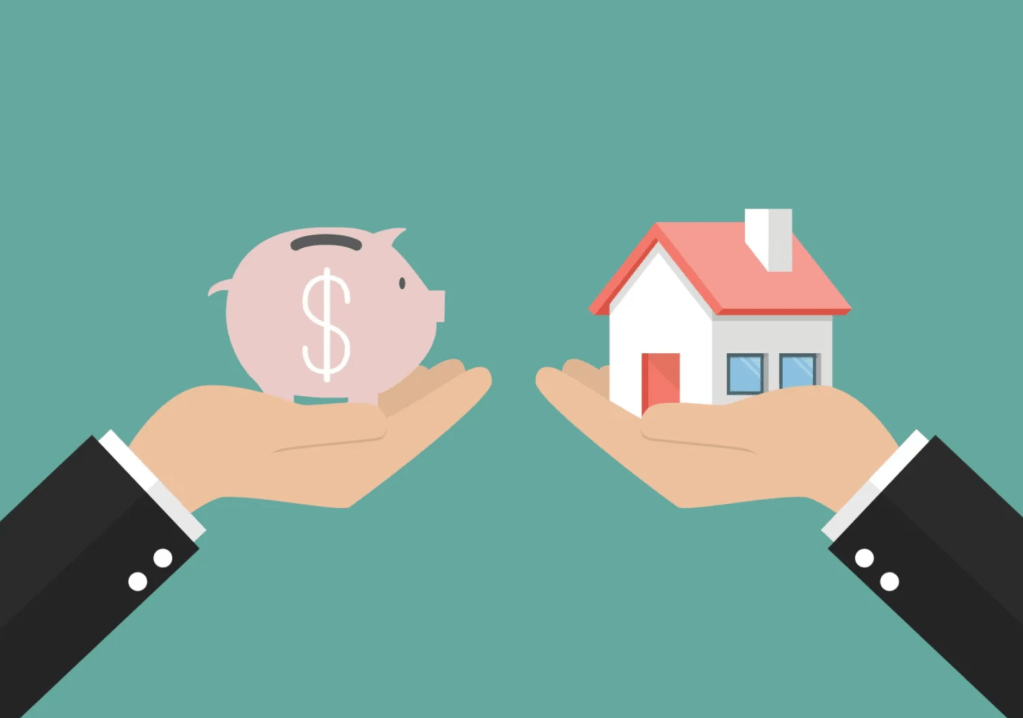
A reverse mortgage is a type of home loan available to homeowners aged 62 and older that allows them to convert a portion of their home equity into cash. Unlike a traditional mortgage, where borrowers make monthly payments to a lender, a reverse mortgage enables homeowners to receive payments from the lender. The loan balance increases over time as interest accrues, and repayment is typically deferred until the homeowner sells the home, moves out permanently, or passes away.
The most common type of reverse mortgage is the Home Equity Conversion Mortgage (HECM), which is insured by the Federal Housing Administration (FHA). Private lenders also offer proprietary reverse mortgages, which may have different terms and eligibility requirements.
Pros and Cons of a Reverse Mortgage
Pros
- Supplemental Income – A reverse mortgage provides retirees with additional cash flow, helping cover living expenses, medical bills, or home improvements.
- No Monthly Mortgage Payments – Borrowers are not required to make monthly payments as long as they live in the home and meet loan conditions, such as paying property taxes and homeowners insurance.
- Flexible Payout Options – Borrowers can receive funds as a lump sum, monthly payments, a line of credit, or a combination of these options.
- Non-Recourse Loan – Borrowers (or their heirs) will never owe more than the home’s value when the loan is repaid, even if the loan balance exceeds the home’s worth.
- Potential Tax-Free Proceeds – The funds received from a reverse mortgage are generally not considered taxable income.

Cons
- Loan Balance Increases Over Time – Interest and fees accumulate, reducing the homeowner’s equity and potential inheritance for heirs.
- Homeownership Costs Remain – Borrowers must continue paying property taxes, homeowners insurance, and maintenance costs. Failure to do so could lead to foreclosure.
- Affects Heirs’ Inheritance – Since the home is used as collateral, heirs must either repay the loan balance or sell the home to settle the debt.
- High Fees and Closing Costs – Reverse mortgages often come with higher upfront fees compared to traditional home loans.
- May Impact Government Benefits – Receiving reverse mortgage funds could affect eligibility for needs-based programs like Medicaid.
Who is a Reverse Mortgage Ideal For?
A reverse mortgage can be a valuable financial tool for certain homeowners, but it’s not right for everyone. It may be ideal for:
- Retirees Needing Additional Income – Those with limited retirement savings who need extra cash flow to cover expenses.
- Homeowners Wanting to Stay in Their Home – Seniors who plan to remain in their home long-term and don’t want to downsize.
- Individuals with Significant Home Equity – Homeowners who have paid off their mortgage or have substantial home equity.
- People Without Heirs Concerned About Inheritance – Those who are not concerned about passing down their home to family members.
A reverse mortgage is less suitable for individuals who plan to move soon, have other assets to fund retirement, or want to leave their home to heirs debt-free.
Before making a decision, it’s important to consult a financial advisor or a reverse mortgage counselor to fully understand the implications. While a reverse mortgage can provide financial relief for some retirees, it’s essential to weigh the long-term costs and benefits carefully.




 Winchell House
You must be logged in to post a comment.