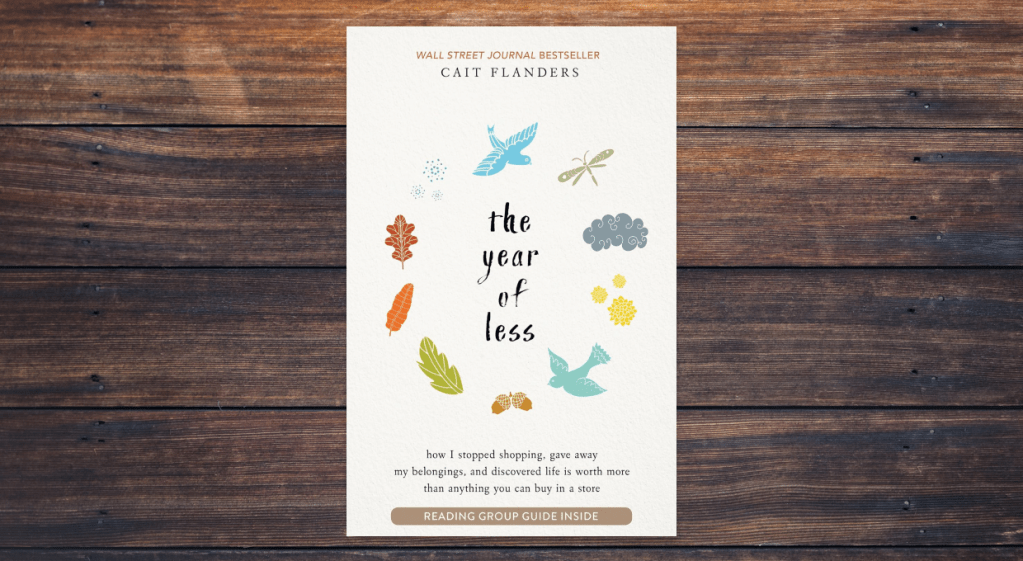
The Year of Less: How I Stopped Shopping, Gave Away My Belongings, and Discovered Life is Worth More Than Anything You Can Buy in a Store is a memoir by Cait Flanders that chronicles her bold decision to go on a year-long shopping ban. Blending personal finance insight with self-discovery, the book explores the emotional and psychological ties we have to spending and consumption. It has resonated deeply with readers seeking simplicity, clarity, and control over their financial lives.
Who is Cait Flanders?
Cait Flanders is a Canadian writer and former personal finance blogger who gained attention through her blog where she documented her journey out of debt.
What makes her story relatable is that she was not a financial advisor by trade. Like many people, she struggled with consumer debt, emotional spending, and the desire to keep up appearances.
Her candid storytelling and honesty about her personal challenges make her work accessible and encouraging for those new to budgeting and money management.
Lessons from The Year of Less
One of the biggest takeaways from the book is how closely tied spending habits are to emotional and psychological triggers. Flanders writes about how shopping filled emotional voids and how minimalism helped her become more mindful of what truly added value to her life.
Here are some key lessons readers can take away:
- Budgeting is more than numbers: It’s about habits, values, and intentions. A personal budget only works if it’s rooted in your real priorities.
- Decluttering goes deeper than stuff: Letting go of physical belongings also involves examining the reasons we hold onto things, often rooted in past versions of ourselves.
- Mindful spending creates freedom: By learning how to distinguish wants from needs, Flanders finds more time, energy, and money for things that actually matter.
- Frugality is empowering: Living frugally allowed her to regain control over her finances and eventually shift her focus toward long-term investments and savings.
These are powerful insights for anyone looking to reset their relationship with money. For readers trying to get out of debt, learn how to budget, or simply reduce unnecessary spending, The Year of Less can be a guide and a source of motivation.
Criticisms of the Book
While The Year of Less has been praised for its honesty and simplicity, it is not without critique.
Some readers feel the book leans more heavily on memoir than personal finance advice. There is less actionable content than you might find in traditional financial books, and readers looking for detailed how-tos on budgeting, saving, or investing might be left wanting more. Others mention that certain themes and stories are repeated throughout the chapters, which may slow down the pacing for some.
Still, for those who appreciate narrative-driven learning and reflective writing, these qualities can also be seen as strengths.
Why This Book?
In a culture where shopping is often used as a coping mechanism and consumption is tied to identity, The Year of Less offers an alternative. It asks readers to pause and consider what truly matters—beyond what can be bought in a store. It’s an especially important read for those who are overwhelmed by consumerism and want a more intentional financial life.
The Year of Less provides a personal yet powerful reminder that your mindset is just as important as your money. It may not provide investment strategies like buying into the S&P 500 or using high-yield savings accounts, but it does lay the groundwork for understanding your spending psychology, which is just as essential.
Final Thoughts
The Year of Less is a thoughtful, inspiring read for anyone looking to make a lifestyle change around money. It’s not a budgeting manual, but a mirror held up to our habits, decisions, and emotional baggage surrounding finances. If you’re beginning your journey toward financial freedom or simply want to live with more intention, Cait Flanders’ story might be the spark you need.
For readers seeking to pair emotional insight with practical financial strategies, The Year of Less is an excellent companion to the money tools and investing recommendations we believe in—like budgeting apps, high-yield savings accounts, and long-term investing in the S&P 500. Understanding how you feel about money is the first step to making it work for you.


 Winchell House
You must be logged in to post a comment.