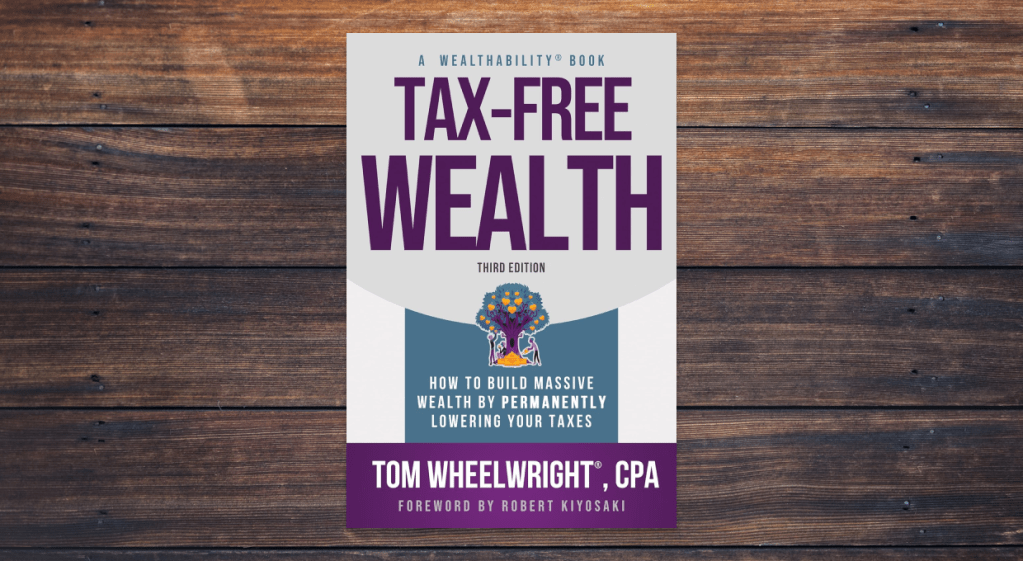
Understanding how taxes work—and how to legally reduce them—is one of the fastest ways to build wealth. That’s the central message of Tax-Free Wealth by Tom Wheelwright, a book that challenges the way most people think about taxes and financial planning. For anyone looking to make smarter money decisions, this book offers practical advice, strategic thinking, and a new perspective on how the tax code can actually work in your favor.
Who is Tom Wheelwright?
Tom Wheelwright is a CPA, tax strategist, and wealth educator. He’s best known for being the personal tax advisor to Robert Kiyosaki, author of Rich Dad Poor Dad. Wheelwright is also the founder and CEO of WealthAbility, a company that helps entrepreneurs and investors reduce their tax burden.
His approach to taxes isn’t about avoidance—it’s about understanding and leveraging the tax law to align with your financial goals. Wheelwright argues that the U.S. tax code is written to encourage behaviors that stimulate the economy, such as creating businesses, providing housing, and investing in energy.
Lessons from Tax-Free Wealth
One of the strongest takeaways from Tax-Free Wealth is that taxes are not something to fear or avoid—they are something to understand and plan around. Here are some key lessons from the book:
- The tax code is a roadmap to wealth
Wheelwright explains that most of the tax code consists of incentives for specific economic behaviors. If you act in a way the government wants—by investing in real estate, creating jobs, or producing energy-efficient solutions—you can legally reduce your taxes. - Your financial team matters
A major theme is the importance of working with a proactive tax advisor. Wheelwright stresses that the traditional once-a-year meeting with your accountant isn’t enough. You need a year-round strategy and a CPA who acts more like a financial partner than a tax preparer. - Business owners and investors have the most opportunities
Employees pay the highest tax rates because they don’t have the same deductions and credits available to business owners and investors. Tax-Free Wealth encourages readers to explore side hustles, real estate investing, or starting a small business to unlock tax advantages. - Depreciation is your friend
Real estate investors especially will benefit from Wheelwright’s explanation of depreciation, a tax strategy that can allow you to earn income while claiming paper losses that lower your tax bill.
Criticisms of the Book
While Tax-Free Wealth offers valuable insights, it’s not without its drawbacks. Some readers may find the book overly promotional. Wheelwright often references his own company and services, which can make parts of the book feel like a sales pitch. Additionally, the book can sometimes oversimplify complex tax strategies that may not be realistic or safe for every reader without personalized advice.
The language in the book is also clearly geared toward a U.S. audience. While the principles may apply globally, the specific strategies rely heavily on American tax law, limiting the book’s usefulness for international readers.
Why This Book?
For readers who want to go beyond basic budgeting and start thinking more strategically about wealth building, Tax-Free Wealth offers a fresh perspective. It fills a gap in the financial education space by focusing on taxes, a topic that’s often neglected in mainstream money books. While books like The Millionaire Next Door emphasize frugality and I Will Teach You to Be Rich focuses on automation, Wheelwright’s book is about strategy—especially for those interested in growing their wealth through investing and entrepreneurship.
Final Thoughts
Tax-Free Wealth is not a book about cutting coupons or skipping lattes. It’s a book about understanding how one of your biggest expenses—taxes—can be legally reduced through smart planning. For Americans interested in financial independence, it’s a must-read, especially for those with growing income from businesses, investments, or side hustles.
That said, it’s best read with a dose of caution. Tax laws are complex and can change quickly, so the advice in the book should be supplemented with guidance from a trusted financial advisor or CPA. Still, Wheelwright’s message is empowering: if you learn the rules of the game, you can use them to your advantage.
Tax-Free Wealth pairs especially well with a strategy that includes frugal living, investing in the S&P 500, and tracking spending through budgeting apps. It reminds us that building wealth is not just about how much you make—it’s about how much you keep.



 Winchell House
You must be logged in to post a comment.