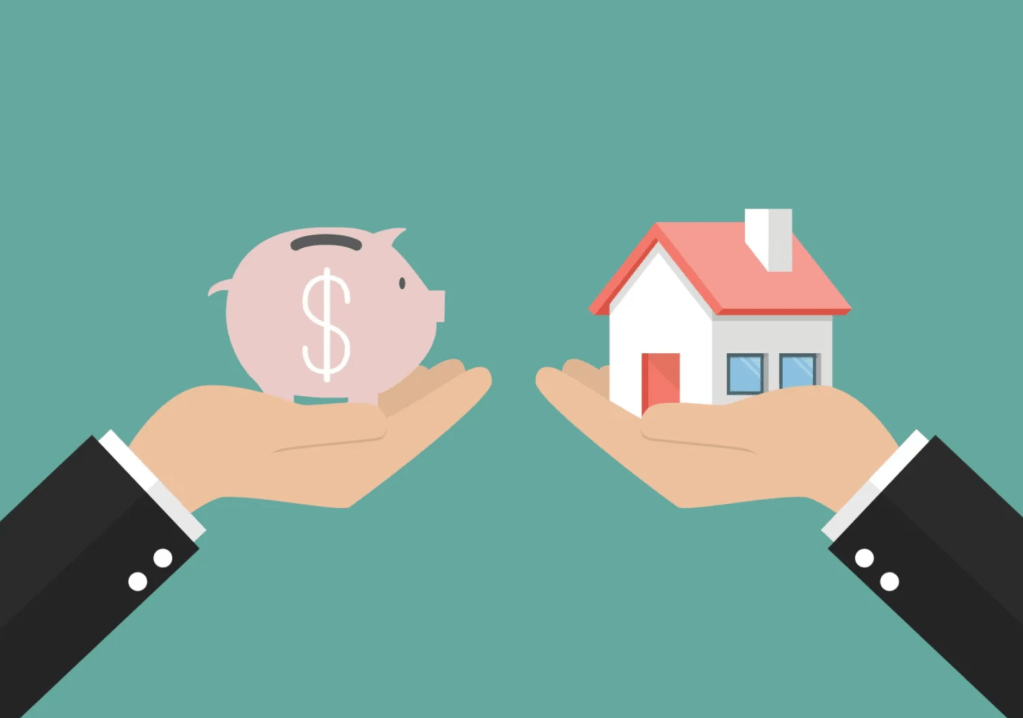
Buying a home is one of the biggest financial decisions you’ll make, and doing so when interest rates are high can feel daunting. While higher rates mean higher monthly payments and overall borrowing costs, this doesn’t mean you should put your dreams of homeownership on hold. Instead, it’s essential to evaluate your options carefully and make an informed decision.
Evaluate Your Budget
Before buying a home, take a hard look at your budget. Use a budgeting app (we like Simplifi) to track your income and expenses and identify areas where you can cut back. Knowing how much house you can truly afford will save you from overextending yourself. Keep in mind that lenders may approve you for a loan amount higher than what is comfortable for your financial situation, so stick to what works for you.

Consider Renting as an Alternative
With high interest rates, renting may be a better option in the short term, especially if you live in an area where renting is more affordable than buying. Renting allows you to save for a larger down payment, which can reduce your borrowing needs when rates are high. It also gives you the flexibility to wait and see if market conditions improve. However, if you’re renting, make sure to stay disciplined about saving so you’re financially ready to buy when the time comes.
Avoid Counting on Future Refinancing
It’s tempting to think that you can buy a home now and refinance to a lower interest rate in the future. While rates could drop, they could also stay the same or even rise. Betting on refinancing to make your payments more manageable is risky. If the current payment isn’t something you can comfortably handle long-term, it’s best to reconsider.
Save for a Larger Down Payment
A larger down payment reduces the amount you need to borrow, which can significantly lower your monthly payment and overall interest costs. If possible, aim for at least 20% down to avoid private mortgage insurance (PMI), which adds an extra expense to your monthly costs. Consider putting your savings into a high-yield savings account or short-term treasury bills to earn interest while you save.
Focus on Your Credit Score
With high interest rates, having an excellent credit score is more important than ever. A better credit score can help you secure a lower interest rate, even in a high-rate environment. Pay down existing debts, avoid taking on new credit card debt, and make all payments on time. Credit cards can help you earn cash back while maintaining a strong credit history—as long as you pay the balance in full each month. Do not put anything on a credit card if you can’t afford it when the monthly payment comes due.
Look for Value
In a high-interest-rate market, you’ll want to focus on buying a home that represents good value. Work with a trusted real estate agent to identify homes that are fairly priced and in good condition. Be prepared to negotiate—higher rates can cool the housing market, potentially giving you more bargaining power.
Assess the Long-Term Benefits of Owning
Owning your home offers benefits beyond just building equity. It provides stability, the freedom to personalize your space, and protection from rising rents. However, homeownership also comes with responsibilities like maintenance and property taxes. Weigh these factors carefully to ensure you’re ready for the commitment.
Work with Professionals
A financial advisor can help you determine if buying a home makes sense for your situation. Similarly, a mortgage broker can guide you through the process of finding the best loan terms available. Don’t hesitate to seek expert advice to make the most informed decision possible.
Final Thoughts
Buying a home when interest rates are high requires careful planning and consideration. Evaluate your budget, save diligently, and focus on what you can control, like your credit score and down payment. While renting might make sense for some, homeownership can still be a rewarding long-term investment—even in a challenging rate environment. The key is to make a decision that aligns with your financial goals and personal circumstances.









 Winchell House
You must be logged in to post a comment.