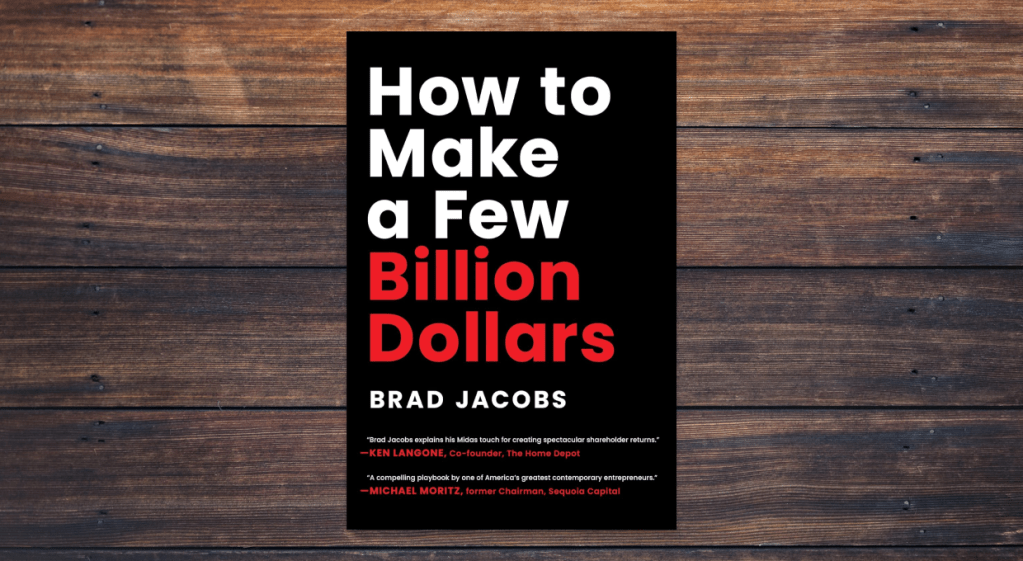
Brad Jacobs has built not one, not two, but multiple billion-dollar companies across several industries, from waste management to logistics. In his book How to Make a Few Billion Dollars, Jacobs reflects on his decades-long career as a serial entrepreneur and offers a mix of autobiography, business philosophy, and practical advice for aspiring leaders and investors. For readers interested in building wealth, thinking bigger, and learning from someone who’s been in the trenches, this book is an energetic and often surprising read.
Who Is Brad Jacobs?
Brad Jacobs is not your typical billionaire. He didn’t inherit wealth, nor did he stick to one field. Instead, Jacobs has made a career out of entering fragmented, often overlooked industries and building dominant businesses within them. He is best known for founding United Waste Systems, United Rentals, and XPO Logistics—all multibillion-dollar companies. Today, Jacobs serves as chairman of GXO Logistics and continues to work on large-scale business ventures.
What sets Jacobs apart is his willingness to start from zero in unfamiliar sectors and scale quickly by applying clear frameworks and relentless execution. His career challenges the notion that you need to be a tech genius or financial wizard to succeed. Instead, he argues, you need vision, discipline, and a lot of nerve.
Lessons from the Book
One of the book’s central themes is that success in business is more about mindset and systems than technical expertise. Jacobs writes about how he identifies opportunities, assesses market fragmentation, and evaluates management teams. His approach is pragmatic: find industries with room to consolidate, invest heavily in culture, and build scalable systems.
Readers will also find value in his emphasis on long-term thinking. Jacobs didn’t chase quick wins. He was always playing the long game—choosing growth and sustainability over short-term profits. For personal finance enthusiasts, this mirrors the core principle of investing in the S&P 500: consistent, long-term gains matter more than short bursts of excitement.
Another strong takeaway is Jacobs’ obsession with learning. He doesn’t pretend to have all the answers but rather explains how he surrounded himself with smart people, hired for character, and stayed humble enough to keep asking questions. For readers exploring books on money and self-improvement, this focus on learning will resonate.
Criticisms of the Book
While the book is filled with insight, it’s not without its flaws. Some readers may find it overly self-congratulatory at times. The title itself—How to Make a Few Billion Dollars—walks the line between tongue-in-cheek and tone-deaf, especially for everyday readers trying to escape debt or build a modest emergency fund.
Others may wish Jacobs had included more detailed breakdowns of financials, operational challenges, or failures. He writes with clarity, but often glosses over the messier parts of business building. For readers who love granular case studies or want step-by-step guidance, the book might feel more inspirational than instructional.
Why This Book?
There are countless personal finance books focused on budgeting, saving, or investing. What makes this one different is its macro-level view. How to Make a Few Billion Dollars isn’t about how to save $50 on groceries—it’s about how to think bigger, how to spot patterns, and how to stay resilient in the face of risk.
For readers already tracking spending with budgeting apps or investing in index funds, Jacobs’ story adds another layer: strategic thinking. It pushes readers to consider not just how to make money, but how to allocate attention, effort, and time in ways that can lead to real transformation.
Final Thoughts
How to Make a Few Billion Dollars is part memoir, part masterclass in entrepreneurship. While not every lesson is directly applicable to everyday personal finance, the themes—learning, risk management, persistence, and strategy—align well with the foundational values of financial independence and thoughtful investing.
Whether you’re building a business, managing your career, or simply seeking new perspectives on money, Brad Jacobs’ story offers a valuable lens through which to rethink what’s possible.




 Winchell House
You must be logged in to post a comment.