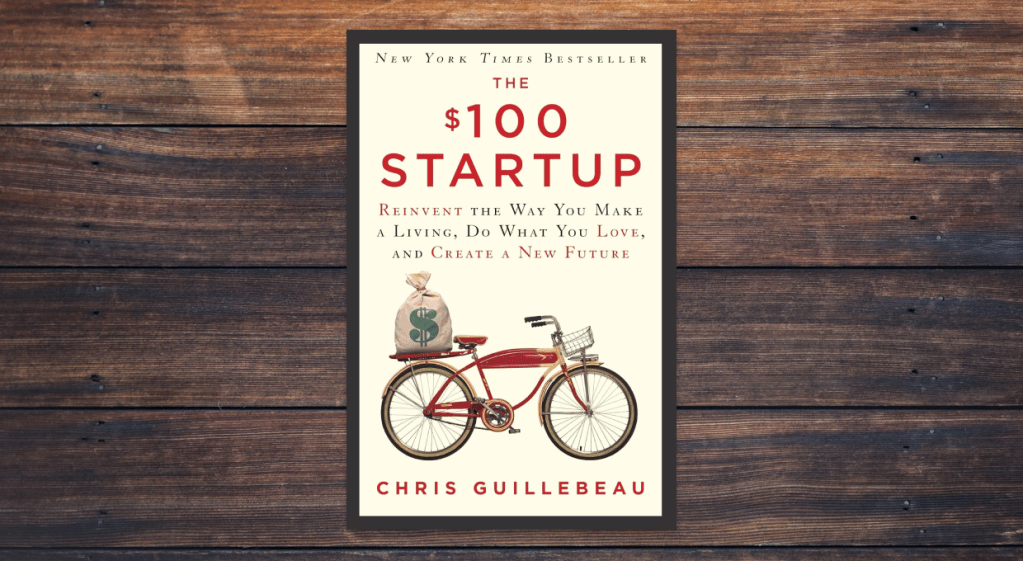
The $100 Startup: Reinvent the Way You Make a Living, Do What You Love, and Create a New Future is a popular book among aspiring entrepreneurs and side hustlers looking to break free from the traditional 9-to-5. It presents a roadmap for building a small business with minimal startup capital—often less than $100—based on your passions and existing skills. For readers of Winchell House who are exploring alternative income streams, financial independence, or greater control over their time, this book offers an engaging introduction to the world of micro-entrepreneurship.
Who is Chris Guillebeau?
Chris Guillebeau is an entrepreneur, world traveler, and bestselling author known for his unconventional life choices and practical advice for independent thinkers. He gained recognition for visiting every country in the world before the age of 35, funding much of his travel through entrepreneurial ventures. Guillebeau’s work focuses on helping people create personal freedom through self-employment, travel, and creative living. In addition to The $100 Startup, he’s the author of The Art of Non-Conformity and Side Hustle.
Lessons From The $100 Startup
One of the central lessons in the book is that you don’t need a business degree, investors, or a large bankroll to start a successful business. Guillebeau highlights dozens of real-life examples of people who built businesses on shoestring budgets—sometimes from as little as $100—and ended up earning a full-time income or more.
Here are a few takeaways readers can apply immediately:
- Start with what you already know: Use your current skills and interests as the foundation for a business. You don’t need to invent something new; you just need to offer value to others.
- Solve a problem or fulfill a desire: The most successful small businesses focus on what people want or need. Listen carefully to what others complain about, or look for gaps in existing services.
- Action beats planning: The book encourages readers to take small, fast steps instead of waiting for the perfect business idea or an elaborate plan.
- Keep it simple and small: There’s a strong emphasis on low overhead, solo entrepreneurship, and avoiding unnecessary complexity in the early stages.
- Focus on sales and value: Generating revenue and delivering real value are more important than branding or business cards. The faster you make your first sale, the better.
Criticisms of the Book
While The $100 Startup is inspiring and full of energy, it’s not without its limitations. Some readers feel that the book glosses over the challenges of entrepreneurship. The success stories are motivating but can come off as cherry-picked, with little discussion of failures or setbacks. Others have criticized the lack of step-by-step detail, especially for readers who want more tactical guidance on things like pricing, customer acquisition, or legal logistics.
Additionally, while the book’s promise—that you can start a business with only $100—is catchy, it may not be realistic for every type of business. Certain industries, especially those involving physical goods or regulatory hurdles, will likely require more capital and preparation.
Why This Book?
For readers exploring books on money, budgeting, and breaking out of the paycheck-to-paycheck cycle, The $100 Startup offers a fresh and motivating perspective. It’s especially relevant for those who are disillusioned with traditional employment and are looking for an accessible way to earn more or even become financially independent. If you’ve ever dreamed of turning a hobby into a source of income, or you’re simply curious about alternative paths to wealth that don’t involve a boss or a corporate ladder, this book is a strong place to begin.
Final Thoughts
The $100 Startup is an energizing read for anyone looking to reinvent their work life, earn money on their own terms, or start a business with minimal risk. While it may oversimplify the journey of entrepreneurship, its core message—that passion and value can create real income—is timeless. For anyone ready to explore the intersection of independence, creativity, and smart personal finance, this book is worth your time.
If you’re serious about taking control of your income, consider reading this alongside other books on money and self-employment. Learn from others, track your progress using budgeting apps, and continue building a financial future that supports the life you want to live.



 Winchell House
You must be logged in to post a comment.