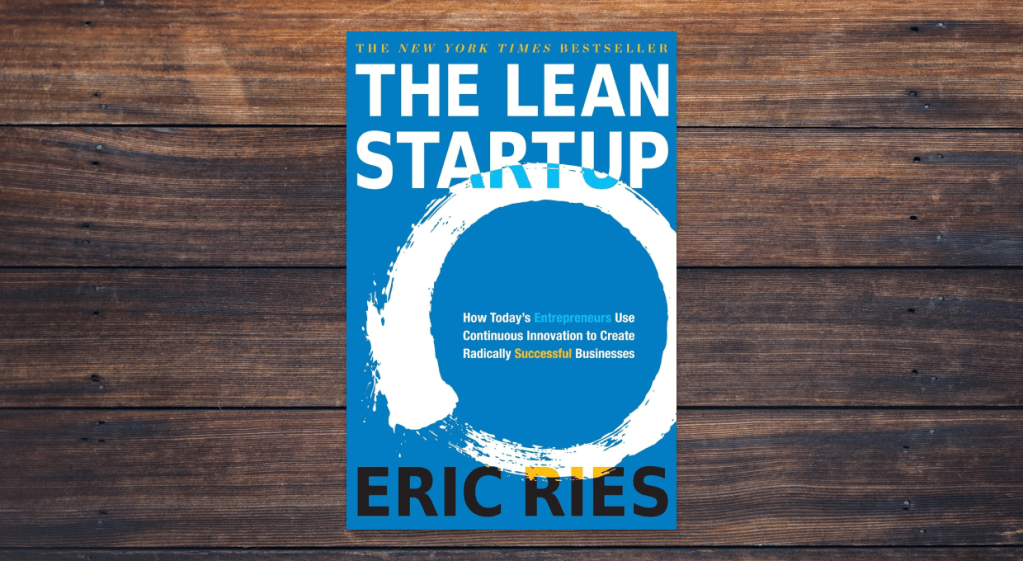
The Lean Startup: How Today’s Entrepreneurs Use Continuous Innovation to Create Radically Successful Businesses by Eric Ries is one of the most influential books in the modern entrepreneurship and business development world. First published in 2011, the book quickly became a go-to guide for aspiring entrepreneurs, startup founders, and even corporate innovation teams looking to build faster, smarter, and with less waste.
Its core message is that starting a business doesn’t have to mean gambling everything on an untested idea. Instead, through a structured approach of testing, learning, and adapting, anyone can increase their chances of building something that works.
Who is Eric Ries?
Eric Ries is a Silicon Valley entrepreneur and author with firsthand experience in both failed startups and successful ventures. His early work as a software engineer and co-founder of the startup IMVU provided the real-world backdrop for the ideas he presents in The Lean Startup. Ries later transitioned into advising and teaching innovation strategies to companies and organizations of all sizes, from early-stage founders to large enterprises.
His work draws heavily on concepts from lean manufacturing (especially the Toyota Production System), agile development, and customer-focused innovation, and he adapts these frameworks to suit the fast-paced, high-risk environment of startups.

Key Lessons from The Lean Startup
Build-Measure-Learn Loop
One of the book’s most important ideas is the “Build-Measure-Learn” cycle. Instead of building a perfect product up front, entrepreneurs are encouraged to launch a “Minimum Viable Product” (MVP), gather feedback from real customers, and use that data to improve the offering. This loop is repeated continuously, allowing the business to evolve in response to actual demand.
Validated Learning
The goal of a startup isn’t just to make stuff—it’s to learn what customers actually want. Validated learning is the process of proving (or disproving) that your assumptions about the market are correct. It helps founders avoid building features or services nobody cares about.
Pivot or Persevere
Ries emphasizes the importance of knowing when to stick with a plan and when to change direction. A “pivot” means making a structured change based on learning from users. Sometimes that means altering the product, the target market, or even the entire business model
Innovation Accounting
Instead of focusing only on vanity metrics like downloads or revenue in the early days, Ries urges entrepreneurs to use more honest metrics that reflect real progress. This helps founders make better decisions based on true performance rather than hope or hype.
Start Small, Scale Later
By focusing first on a narrow audience and solving a clear problem, startups can test their ideas cheaply and with less risk. Once something works in a small market, it’s easier to grow and adapt.
Criticisms of the Book
While The Lean Startup has become something of a modern business bible, it’s not without critics.
Some readers find the advice too general or repetitive, especially those with prior experience in tech or entrepreneurship. Others argue that Ries’s examples are often drawn from the software world and may not apply as well to physical products, regulated industries, or non-profit ventures.
Additionally, while the MVP concept is powerful, some critics warn that launching too early or with a bare-bones product can harm a brand’s reputation or alienate early users. Not all startups have the luxury of multiple iterations before customers lose interest.
Why Read The Lean Startup?
This book is especially valuable for aspiring entrepreneurs, solo founders, and anyone considering launching a side hustle or new product. It provides a mental model for reducing risk and increasing the odds of building something meaningful and sustainable.
For readers interested in financial independence, The Lean Startup offers lessons in resourcefulness, iteration, and smart use of time and money. The book encourages readers to act, test, and learn—rather than wait for the perfect plan.
Even those not running a business can apply its principles to side projects, freelancing, or creative endeavors. It aligns with the broader philosophy of investing your time and energy with intention, just as you would your money.
Final Thoughts
The Lean Startup has earned its reputation as a foundational business book for a reason. Its practical insights can help anyone—from full-time entrepreneurs to part-time creators—avoid wasting time and money on ideas that don’t work.
While not every concept will be universally applicable, especially outside the tech sector, the overarching message is timeless: experiment, learn quickly, and make better decisions through data, not assumptions. For those looking to take control of their financial future by starting something of their own, this book is a powerful first step.



 Winchell House
You must be logged in to post a comment.