
Risk composure is one of the most important yet overlooked elements in personal finance. It’s not a term you hear every day, but it plays a big role in how successful you are with your money over time. In simple terms, risk composure is your ability to remain calm and stay on course with your financial plan when the market takes a dip or when your financial goals seem far away.
When you understand what risk composure means and how to strengthen it, you give yourself an edge. The truth is, most people don’t fail because of a bad investment or a lack of opportunity—they fail because of how they react to uncertainty.

Why Risk Composure Matters
Let’s say you’re investing in the S&P 500. History tells us this is a good long-term bet, but in the short term, prices go up and down. Some years, your investments might be down 20%. Other years, they may jump 30%. If you panic during a downturn and sell, you lock in your losses. If you stay composed and ride it out, you often recover and even grow your wealth.
That’s risk composure at work. It helps you stick to your plan, especially when the headlines are screaming and everyone around you is making emotional decisions.
Without risk composure, even the best strategy can fall apart.
What Impacts Your Risk Composure?
Everyone has a different level of comfort with financial risk. A few factors that influence your ability to stay composed:
- Your money story: The way you were raised, and how your family talked about money, can shape your tolerance for risk.
- Financial education: The more you read books on money, budgeting, and investing, the more confident you become in your decisions.
- Time horizon: If you know you don’t need the money for 10 or 20 years, it’s easier to ignore short-term market swings.
- Support system: Having a financial advisor or a trusted friend to talk things through with can make a huge difference.
How to Build Stronger Risk Composure
Risk composure isn’t just something you’re born with—it can be developed. Here are some ways to build yours:
Learn more about how money works
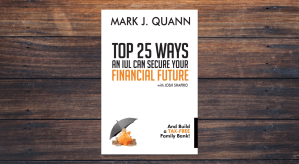
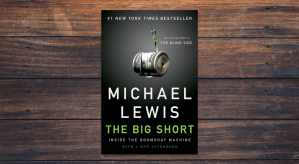
Reading personal finance books is one of the best ways to gain confidence. When you understand how markets behave, what risk actually is, and how to prepare for different outcomes, you’re less likely to react emotionally.
Use budgeting apps to stay grounded
When you know your numbers, you’ll feel more in control. A budgeting app can help you see your monthly spending, track your goals, and avoid surprises. That sense of control makes it easier to stay calm when things get uncertain.
Build an emergency fund
Having cash in a high-yield savings account or short-term treasury bills gives you breathing room. You’re less likely to feel financial panic if you know you have money set aside for unexpected expenses.
Own your home if possible
Owning your primary residence can be a stabilizing force. When markets get volatile, it helps to know you don’t have to worry about rising rent or being forced to move.
Stick with a simple investment strategy
Investing in the S&P 500 is a time-tested approach that doesn’t require constant tweaking. If you have a long-term mindset and a solid savings plan, there’s no need to chase the next big thing. The key is staying the course.
Final Thoughts
Risk composure is like a muscle—it grows with time, experience, and education. The more you understand your money, your emotions, and your goals, the more likely you are to make smart, steady decisions even when times get tough.
Mastering risk composure could be the difference between building long-term wealth and constantly starting over. It’s not flashy, but it might just be the most powerful tool in your personal finance toolkit.



 Winchell House
You must be logged in to post a comment.