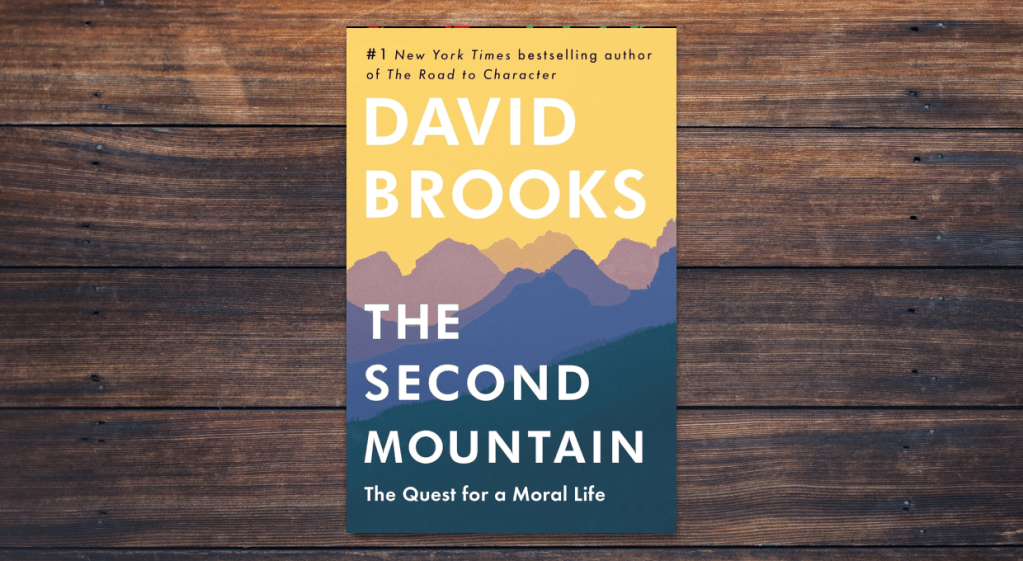
In the pursuit of financial independence and a fulfilling life, understanding our motivations and the role of human psychology is as crucial as mastering budgeting apps or picking the right investments.
Many books on money and business focus on the “first mountain” of achievement: career success, wealth accumulation, and personal happiness. But what happens after that peak?
David Brooks’s book, The Second Mountain: The Quest for a Moral Life, explores this very question, urging readers to consider a deeper, more committed existence.
Who is David Brooks?
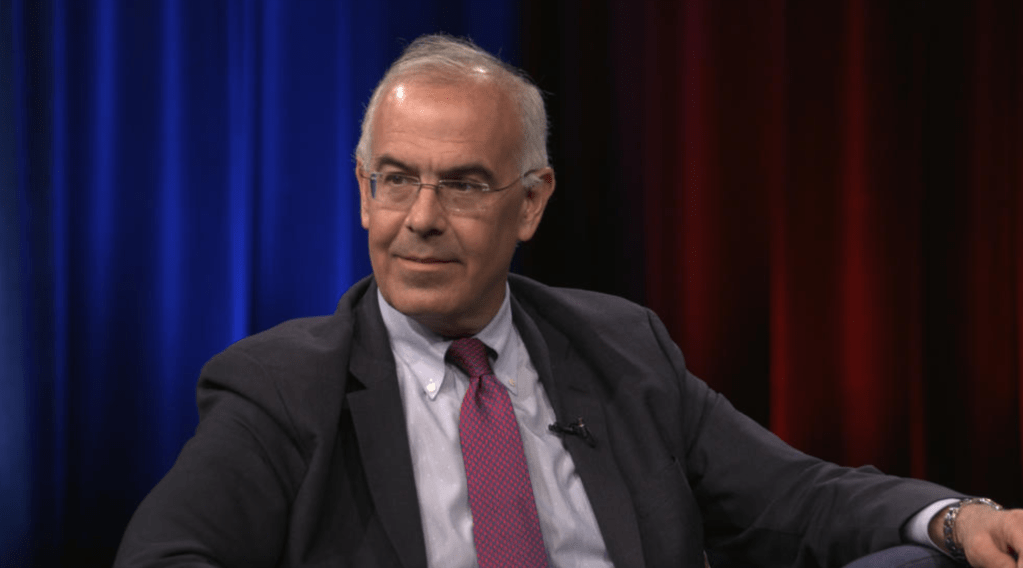
David Brooks is a Canadian-born American author, journalist, and political and cultural commentator. He is widely known for his influential columns in The New York Times and his commentary on programs like “PBS NewsHour” and NPR’s “All Things Considered.”
With a background that includes stints at The Wall Street Journal and The Weekly Standard, Brooks has long been a voice in American public discourse. His previous books, like The Social Animal and The Road to Character, also delve into human nature, character development, and the fabric of society, often blending sociology, psychology, and philosophy.
Lessons from the Book
The Second Mountain argues that many individuals and society as a whole are stuck on the “first mountain,” focused on individualistic pursuits of happiness, success, and personal freedom. However, true and lasting joy, Brooks contends, comes from climbing the “second mountain”: a life defined by deep, unconditional commitments to something larger than oneself.
Key lessons include:
- The Shift from Ego to Connection: The book encourages a shift from self-centered desires to a life focused on serving others and fostering community. This involves embracing interdependence rather than radical independence.
- The Four Commitments: Brooks identifies four key areas where individuals can make profound commitments that lead to a more purposeful life: to a spouse and family, to a vocation (a calling, not just a job), to a philosophy or faith, and to a community.
- Joy vs. Happiness: The book distinguishes between fleeting happiness, often tied to personal achievements, and deeper, more enduring joy, which arises from offering gifts, service, and surrendering to a cause beyond oneself.
- The Valley of Suffering: Brooks suggests that many people find themselves on the second mountain after experiencing a “valley” of suffering, failure, or disillusionment with the first mountain’s promises. This period of brokenness can be a catalyst for moral growth and a reorientation of priorities.
- Building a Moral Ecology: The book emphasizes that character and purpose are not built in isolation but within the context of relationships and communities. It’s about creating an environment that encourages commitment and shared purpose.
Criticisms of the Book
While The Second Mountain offers a compelling vision, it has faced some criticisms:
- Accessibility and Practicality: Some readers find the book more theoretical and less of a practical guide for how to actually make the shift to the second mountain. While inspiring, it may not offer a clear “manual” for immediate change.
- Critique of Individualism: Brooks’s strong critique of modern individualism is central, but some argue he may not fully distinguish between healthy individualism that fosters personal growth and the narcissism he aims to counter.
- Personal Narrative: The book is deeply personal, influenced by Brooks’s own journey, including his divorce and embrace of Christianity. While this adds authenticity for many, some critics suggest that his personal experiences might overly color his general prescriptions for a moral life, potentially making it less universally applicable or relatable for all readers.
- Repetitive or Broad: A few reviews note that the book can feel somewhat repetitive in its arguments, and at times, it might touch on too many aspects without going into sufficient depth on each.
Should You Buy It or Not?
If you are someone who believes that true wealth extends beyond financial assets and includes a rich, purposeful life, this book offers profound insights.
If you are looking for specific financial advice, like how to choose a high-yield savings account or invest in the S&P 500, this is not that book.
However, if you are seeking a broader understanding of what makes a meaningful life, particularly after achieving some level of financial or career success, it provides a thought-provoking framework. Those who appreciate books on money that delve into the behavioral and philosophical aspects of decision-making, and are open to exploring the role of commitment and community, will likely find it very rewarding.
Final Thoughts
The Second Mountain encourages a vital self-reflection for American readers: beyond the quest for personal accumulation, what truly fulfills us? It’s a powerful reminder that while financial planning and budgeting are essential tools for stability, the ultimate goal of a financially independent life can be to free oneself to pursue deeper, more meaningful commitments.
This book encourages us to reconsider our definition of success and find joy in connection, purpose, and service—a valuable perspective for anyone on their financial and personal journey.









 Winchell House
You must be logged in to post a comment.