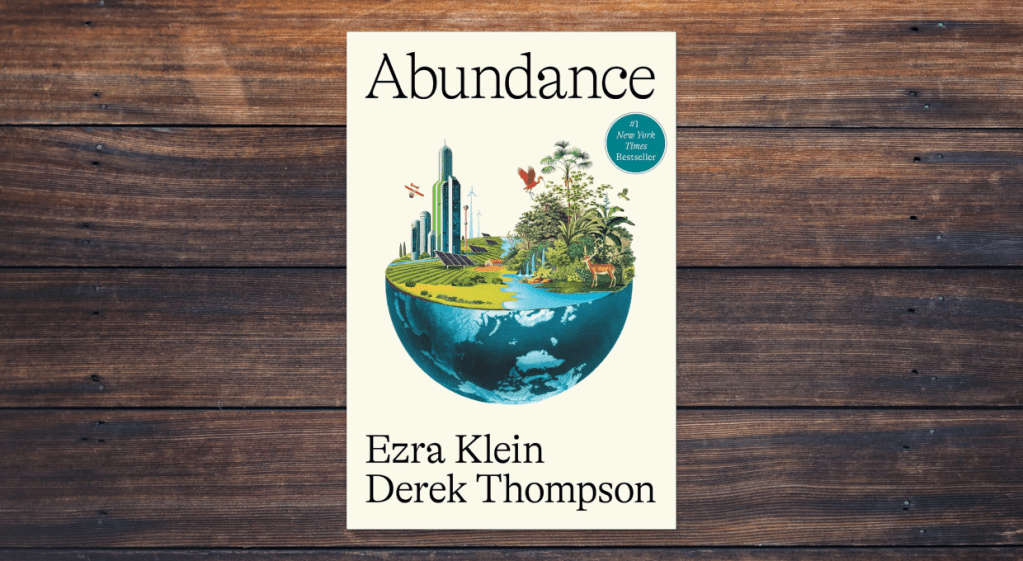
Abundance by Ezra Klein and Derek Thompson explores deep-seated challenges and opportunities in the modern economy—from inequality and technological disruption to public policy and individual well-being.
This book serves both as a primer on economic thinking and a meditation on how we’re collectively building a more equitable, prosperous future. For anyone looking to understand money, progress, and how to shape your own financial mindset, it offers thoughtful, data-informed insights.
Who Are Ezra Klein and Derek Thompson?
Ezra Klein is a co-founder of Vox and a long-time economic commentator and podcaster. He’s known for clear, research-driven writing and for engaging big ideas in accessible ways.
Derek Thompson is a senior writer at The Atlantic, focusing on economics, technology, and culture. He brings a crisp analytical sensibility and a knack for illuminating complex economic topics.
Together, they strike a balance: Klein’s macro perspective and policy orientation meets Thompson’s storytelling and empirical grounding.
Key Lessons from Abundance
Progress isn’t automatic, it’s intentional. The book emphasizes that prosperity—from health to innovation—has increased dramatically over the past century, but it’s not inevitable. Political will, public institutions, and collective action matter.
Technology can widen gaps, but left unchecked. Yes, automation and AI yield efficiency and growth—but without proper frameworks (such as regulation, education, or redistribution), they can exacerbate wage inequality.
Policy shapes markets. Markets don’t simply “work on their own.” Laws, incentives, norms, and public investment are essential to guide markets toward fairness and resilience.
Optimism informed by realism. The authors encourage an optimistic outlook—progress is possible—while insisting on rigorous levels of scrutiny and ethical considerations.
Money is not just math. Readers are reminded that financial decisions—and public economic outcomes—are deeply psychological. Our biases, expectations, and narratives influence markets and policy alike.
Constructive Criticisms of the Book
Less emphasis on lived experience. While Klein and Thompson bring considerable economic expertise, critics may note that personal stories from underrepresented communities or lower-income households are underexplored. The book leans heavily into data and theory, which can feel abstract at times.
Heavy on policy, light on actionable steps. Readers seeking simple, day-to-day financial guidance—like choosing budgeting tools or understanding inflation’s impact on everyday saving—might find less practical value here.
Possibly too optimistic. Some readers might feel the book underplays entrenched structural inequalities, giving too much weight to technological or policy-driven fixes without grappling fully with ideological or economic gridlock.
Should You Buy It?
If you care about understanding how our economic system works—especially where it can go next, and how policy shapes outcomes—Abundance is a worthwhile investment of your time. It’s especially valuable if:
- You’re building financial awareness beyond personal budgeting and investing—interested in the broader forces that shape markets and inequality.
- You appreciate balanced, research-driven optimism—a narrative that doesn’t shy away from hard truths.
- You’ve read other economic or business books and want to deepen your understanding with voices that blend journalism, history, and foresight.
But if you’re looking for strictly personal finance takeaways—like how to live frugally, pick the best high-yield savings account, or pick budgeting apps—this book isn’t it. It’s a complements, not a substitute for practical financial-self-help guides.
Final Thoughts
Abundance invites readers to reconsider what’s possible in the economy when values, institutions, and innovation align. Klein and Thompson remind us that abundance is not just about numbers—it’s about inclusive progress, the psychology of belief, and the role of governance.
For those building a strong financial foundation, understanding that broader context enriches every decision—from how much you save to how you think about societal growth.
This book is a thoughtful, ambitious addition to your money bookshelf—pair it with your go-to personal finance titles, and you’ll gain both breadth and practical depth in your financial journey.



 Winchell House
You must be logged in to post a comment.