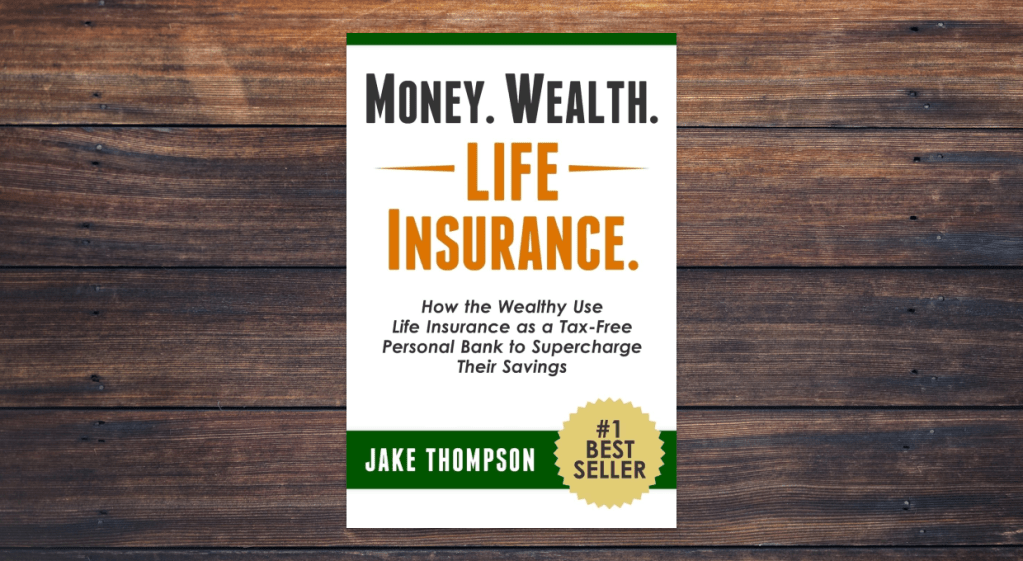
When it comes to personal finance, few topics are as misunderstood as life insurance. In Money. Wealth. Life Insurance.: How the Wealthy Use Life Insurance as a Tax-Free Personal Bank to Supercharge Their Savings, Jake Thompson argues that permanent life insurance can be a powerful financial tool for building and protecting wealth. The book has generated attention in the financial world, both from readers curious about unconventional strategies and from advisors skeptical of its bold claims.
Who is Jake Thompson?
Jake Thompson is a financial professional who has spent years in the life insurance industry. His background gives him a deep understanding of how insurance products are structured and marketed. Thompson positions himself not just as a salesman of policies, but as someone who wants to educate people on how high-net-worth individuals use life insurance in ways most middle-class families never consider. His perspective comes from experience working with both traditional investors and clients who seek alternatives outside of standard retirement accounts.

Lessons from the Book
One of the key lessons in Thompson’s book is that whole life insurance, when properly structured, can serve as a kind of “personal bank.” Instead of just providing a death benefit, permanent life insurance builds cash value over time. That cash value can be borrowed against, often tax-free, to fund investments, emergencies, or even retirement spending.
Other lessons include:
- The wealthy use insurance differently. They often leverage permanent life insurance policies as part of their broader wealth strategy.
- Liquidity and tax advantages matter. The ability to access cash value without triggering taxable events can be valuable.
- Insurance is not just about protection. Thompson suggests it can be part of a disciplined savings plan, helping people commit to long-term wealth building.
Criticisms of the Book
Despite its appeal, the book has its critics. Many financial advisors argue that whole life insurance is expensive compared to other investment vehicles. Premiums are high, fees can be hidden, and the returns on the cash value portion are often modest compared to simply investing in an S&P 500 index fund.
Another criticism is that Thompson glosses over the risks. While he highlights the tax advantages, he downplays how inflexible and costly permanent policies can be for people who are not already wealthy. Some readers may find that the strategy makes more sense for high-income earners than for middle-class families trying to save for retirement.
Should You Buy This Book?
Whether this book is worth your time depends on what you are looking for. If you are curious about how the wealthy use life insurance and want to learn about an alternative approach to building wealth, Thompson’s book provides a clear and straightforward explanation. It can broaden your perspective, even if you ultimately decide permanent life insurance is not for you.
On the other hand, if you are just getting started with personal finance, the book may lead you toward a strategy that is more complex and expensive than necessary. Many readers are better off first mastering budgeting, keeping a high-yield savings account, investing in the S&P 500, and using simple tools like short-term Treasury bills before exploring life insurance as a wealth-building vehicle.
Final Thoughts
Money. Wealth. Life Insurance. by Jake Thompson opens the door to a conversation that many people never have about how life insurance can be used beyond its traditional role. While not every reader will agree with Thompson’s enthusiasm, the book raises important questions about wealth management and tax efficiency.
For some, this book may be an eye-opener into strategies used by the wealthy. For others, it will serve as a reminder that simple, low-cost investing remains the most reliable path to financial independence. Either way, it is a worthwhile read for anyone interested in learning how different tools can play a role in building lasting wealth.



 Winchell House
You must be logged in to post a comment.