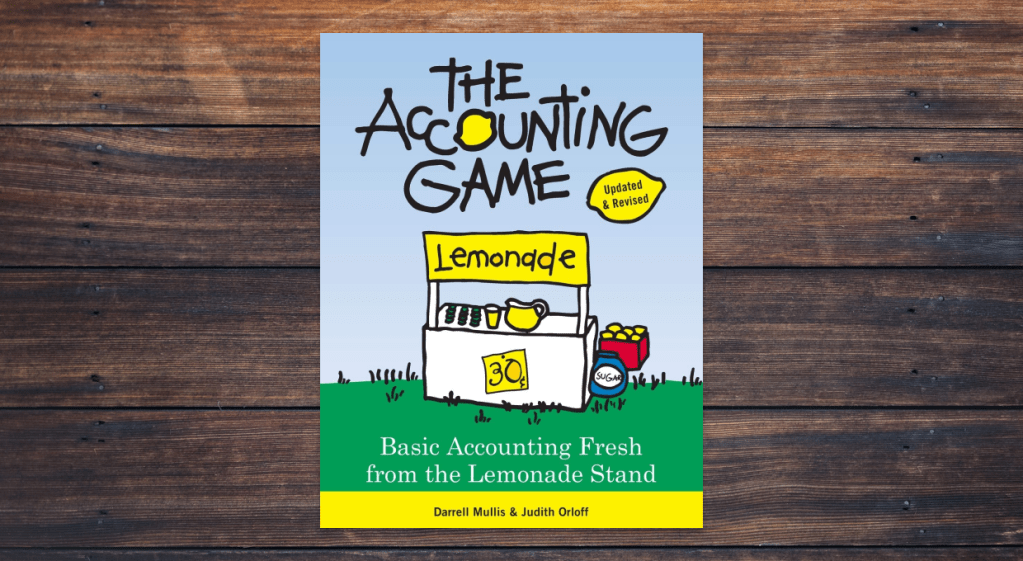
Many people avoid accounting because they believe it is too complicated, dry, or intimidating. The Accounting Game: Basic Accounting Fresh from the Lemonade Stand by Darrell Mullis and Judith Orloff takes a different approach. Instead of jargon-heavy explanations, it uses a simple lemonade stand story to introduce readers to the fundamentals of accounting and finance. The book is designed to make concepts like balance sheets, income statements, and cash flow less overwhelming, especially for beginners.
Who are Darrell Mullis and Judith Orloff?
Darrell Mullis was a business educator and financial trainer who worked with executives, entrepreneurs, and students across the world. His focus was on breaking down accounting and financial statements into language that anyone could understand. Judith Orloff, a consultant and writer, co-authored the book to help translate these ideas into a more accessible narrative format. Together, they created a learning tool that combines storytelling with practical accounting knowledge.
Lessons from the Book
One of the key takeaways from The Accounting Game is that accounting is essentially the language of business. The lemonade stand example shows how even the simplest enterprise needs to keep track of expenses, revenue, assets, and liabilities.
Some of the lessons readers can take away include:
- The importance of understanding financial statements, even if you are not an accountant.
- How small decisions in a business can affect cash flow and profitability.
- The difference between profit and cash flow, and why both matter.
- Why assets and liabilities should be carefully managed, even at a small scale.
- How financial literacy provides confidence when making both business and personal money decisions.
The book’s biggest strength is that it makes accounting less intimidating. By walking through each step of running a lemonade stand, it connects abstract terms to real-world decisions that anyone can relate to.
Criticisms of the Book
While the book is easy to follow, some readers may find its simplicity limiting. Those with business or finance experience might feel that the concepts are presented too slowly or without enough depth. The playful storytelling approach, while engaging for some, may seem repetitive for readers who prefer a straightforward, technical style. Additionally, because the book was written to introduce basic principles, it does not cover more advanced accounting practices or provide detailed strategies for complex businesses.
Should You Buy It?
For readers who want to learn the basics of accounting without getting lost in technical terms, The Accounting Game is a worthwhile purchase. It is especially valuable for beginners, small business owners, or anyone who wants to understand financial statements better before working with a financial advisor. However, if you already have a background in finance or are looking for advanced accounting guidance, this book may feel too introductory.
Final Thoughts
The Accounting Game succeeds in making accounting approachable and practical. By framing lessons through a lemonade stand, it strips away the intimidation many people feel when faced with numbers. While it is not a replacement for formal accounting education, it serves as an excellent first step for anyone who wants to build financial literacy. For readers who are just starting their journey to understand money and business, this book is a solid investment in knowledge.











You must be logged in to post a comment.