
Investing is as much about judgment as it is about numbers. While financial statements and market data provide the backbone of decision-making, the way information is presented in the media plays a major role in shaping investor psychology. Understanding media literacy—the ability to critically analyze and evaluate information—is essential for anyone looking to build wealth through long-term investing.
The Media’s Influence on Investor Behavior
Financial news outlets, blogs, and social media platforms have the power to sway markets. Headlines are often designed to grab attention rather than offer balanced analysis. Fear-driven reporting can push investors to sell during downturns, while hype-fueled coverage can create bubbles when everyone rushes to buy into the latest trend.
History is filled with examples of investors who lost money because they followed the crowd instead of sticking to a disciplined strategy. Media literacy helps you recognize when coverage is sensationalized and when it may be grounded in fact.
Separating Noise from Signal
Every day, investors are bombarded with predictions about interest rates, stock market crashes, or the “next big opportunity.” Most of this is noise. Media literacy equips you to separate short-term chatter from long-term trends that actually matter.
Instead of reacting to a headline about inflation or a dip in the S&P 500, a media-literate investor asks: How does this affect my long-term plan? Is this article presenting balanced information, or is it designed to provoke an emotional reaction?

Protecting Yourself from Bias
The media isn’t neutral. Financial commentators and even well-respected outlets often have biases. Some may push the idea that you need a financial advisor for every decision, while others promote specific investment products. Advertisers also influence which stories get more coverage.
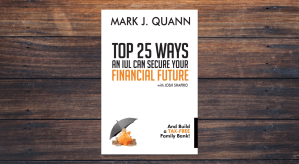
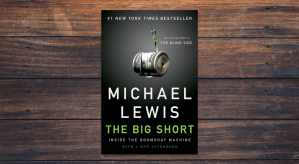
By practicing media literacy, you learn to identify these biases and avoid making choices based on someone else’s agenda. This skill is especially important when evaluating commentary about budgeting apps, savings strategies, or books on money. Not all advice is created equal.
Building Confidence as an Investor
When you learn how to critically evaluate information, you become less reactive and more confident in your financial decisions. This confidence allows you to stick to proven strategies like living below your means, saving in a high-yield account, buying short-term treasury bills for safety, and investing steadily in the S&P 500.
Media literacy also encourages you to turn to reliable sources such as timeless investing books, which often provide more enduring lessons than the news cycle ever could.
Final Thoughts
Media literacy isn’t just a skill for journalists or academics. It’s a practical tool every investor needs. In a world where headlines can trigger massive market moves, understanding how to interpret information helps you avoid costly mistakes.
Investing wisely requires patience, discipline, and a healthy skepticism of sensational coverage. By sharpening your media literacy, you’ll be better prepared to tune out the noise, stay focused on your goals, and build lasting wealth.



 Winchell House
You must be logged in to post a comment.