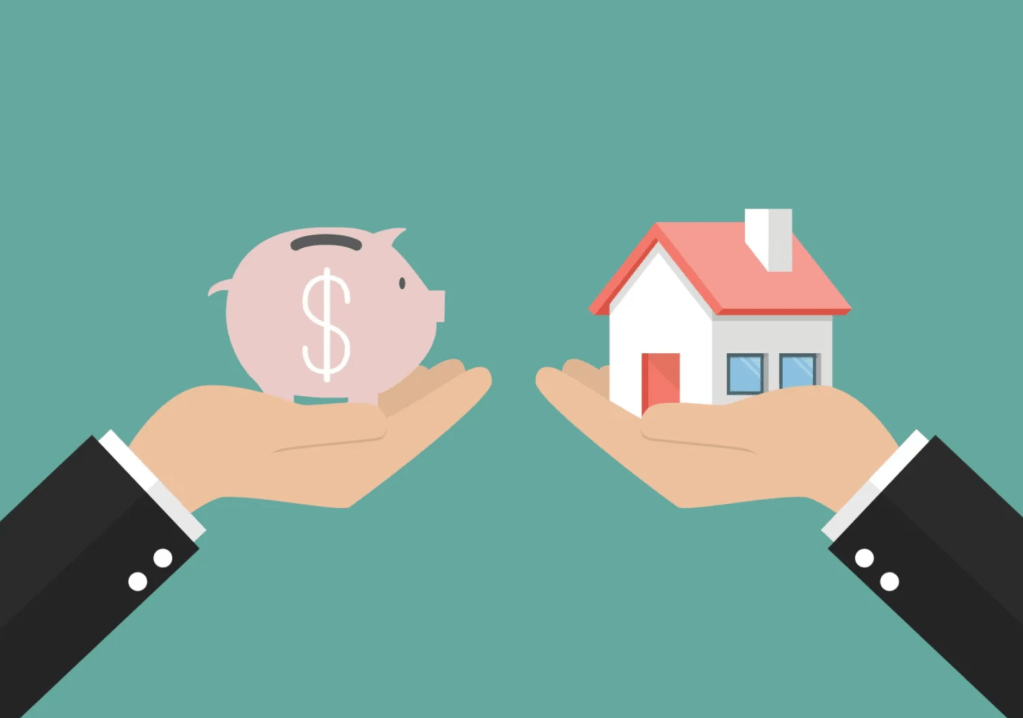
For most people, buying a home would be impossible without some form of financing. A mortgage is the tool that makes homeownership accessible. At its core, a mortgage is a loan from a bank, credit union, or lender that allows you to purchase property while paying for it over time. The home itself serves as collateral, meaning the lender can take possession if the borrower stops making payments.
How a Mortgage Works
When you take out a mortgage, the lender agrees to cover most of the cost of the home upfront. In exchange, you agree to repay that loan over a set period, usually 15 to 30 years, through monthly payments. These payments typically include four parts:
- Principal – The portion that goes toward paying down the actual loan balance.
- Interest – The cost of borrowing the money, expressed as a percentage rate.
- Taxes – Local property taxes, often collected by the lender and distributed to your local government.
- Insurance – Homeowners insurance, and sometimes private mortgage insurance (PMI), which protects the lender if you default.
This structure is often referred to as PITI (Principal, Interest, Taxes, Insurance).
Types of Mortgages
There are several types of mortgages designed to meet different financial needs:
- Fixed-rate mortgage – The interest rate stays the same for the entire life of the loan. This provides stability and predictable payments.
- Adjustable-rate mortgage (ARM) – The rate is fixed for an initial period and then adjusts periodically based on market conditions. This can lead to lower payments early on but more uncertainty later.
- Government-backed mortgages – Programs like FHA loans, VA loans, and USDA loans help first-time buyers, veterans, or rural residents qualify with lower down payments or reduced credit requirements.
- Jumbo mortgages – Loans for amounts that exceed standard lending limits, typically used for high-value properties.

Why Mortgages Matter
A mortgage is often the largest financial obligation a person will take on, but it also allows families to build equity in a home rather than pay rent to a landlord. Over time, as you pay down the loan and your home hopefully appreciates in value, you increase your net worth.
For many, the decision about which mortgage to choose is as important as deciding which house to buy. A poorly chosen loan can lead to higher interest costs, financial stress, or even foreclosure, while a well-structured mortgage can set you on a path toward long-term financial stability.
Mortgages and Your Financial Journey
Understanding mortgages is key to developing a sound financial plan. A mortgage should fit into your broader money strategy that includes budgeting, saving, and investing. Popular budgeting apps can help track your monthly mortgage payment alongside groceries, utilities, and other expenses, ensuring your housing costs don’t exceed what you can afford.
It is also smart to keep an emergency fund in a high-yield savings account and consider short-term treasury bills for safe, liquid investments. These safeguards make it easier to handle unexpected costs, such as repairs or job loss, without falling behind on your mortgage.
Learning More About Money
If you want to dive deeper into money management, books on personal finance are a great place to start. Titles like The Millionaire Next Door and Your Money or Your Life explore how everyday financial choices, including mortgages, affect long-term wealth. Some people also benefit from speaking with a financial advisor, especially when deciding how much house to buy or which type of loan best fits their lifestyle.
The Amortization Curve: Why Your Early Payments Are Almost All Interest
A mortgage payment feels like progress from day one, but the math says otherwise. Take a $350,000, 30-year mortgage at 6.95%. The monthly principal and interest payment is about $2,317, and the very first payment splits into roughly $2,027 of interest and just $290 of principal. You are mostly renting money from the bank in the early years. After five years of payments totaling nearly $139,000, you would still owe about $329,000, having retired barely $21,000 of the original balance.
This is why extra principal payments early in a loan are so powerful. Every additional dollar sent to principal in year two saves interest on that dollar for the remaining 28 years. A single extra $200 monthly payment starting in year one on the loan above cuts roughly five years off the term and saves tens of thousands in interest. The amortization curve is not a reason to fear a mortgage, it is a reason to attack the principal whenever your budget allows.
Discount Points: Paying Upfront to Buy Down Your Rate
At closing, your lender may offer discount points: prepaid interest that lowers your rate. One point costs 1% of the loan amount and typically reduces the rate by about 0.25%. On a $350,000 loan at 6.95%, paying one point costs $3,500 upfront and drops the rate to about 6.70%, cutting the monthly payment from roughly $2,317 to roughly $2,258, a savings of about $58 per month.
Divide $3,500 by $58 and the break-even is about 60 months, or five years. Keep the loan longer than that and the points pay off; sell or refinance sooner and you lose money. Points make sense when you plan to stay put, when you have the cash without draining your emergency fund, and when you believe rates will not fall enough to make you refinance anyway. In a high-rate environment like 2026, that last condition deserves real weight before you buy the rate down.
Final Thoughts
A mortgage is more than a loan. It is a tool that can either support or hinder your financial independence. By learning the basics of how mortgages work, exploring the different options available, and keeping the bigger picture of budgeting and investing in mind, you can make choices that support long-term stability and growth.











You must be logged in to post a comment.