
On May 6, 2010, the U.S. stock market experienced one of the most dramatic intraday drops in history. In just minutes, the Dow Jones Industrial Average plunged nearly 1,000 points—about 9 percent—before rebounding almost as quickly. Known as the Flash Crash of 2010, this sudden sell-off shook investor confidence, raised concerns about high-frequency trading, and sparked regulatory changes that still shape Wall Street today.
For Americans learning about the stock market, understanding the Flash Crash is more than just a history lesson. It’s a reminder of how technology, market psychology, and trading volume can combine to cause extreme volatility—even in the most stable financial systems.
What Happened During the Flash Crash
The trading day started with uncertainty. Global markets were already rattled by Europe’s debt crisis, particularly fears over Greece’s financial stability. By mid-afternoon, the U.S. stock market was trending lower.
Then, at 2:32 p.m. Eastern Time, chaos erupted. The Dow Jones fell more than 600 points in about five minutes. Some individual stocks saw even more extreme swings—Procter & Gamble dropped almost 37 percent before recovering, while Accenture briefly traded for just one cent per share.
By 3:00 p.m., prices had mostly rebounded. But the event left a lasting mark, exposing vulnerabilities in an era dominated by algorithmic and high-frequency trading.
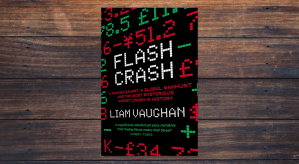
Causes of the Flash Crash
The U.S. Commodity Futures Trading Commission (CFTC) and the Securities and Exchange Commission (SEC) investigated the event and identified several contributing factors:
- Automated trading algorithms – A large mutual fund initiated the sale of 75,000 E-mini S&P 500 futures contracts worth $4.1 billion. The automated program sold based on market volume instead of price, triggering a rapid downward spiral.
- High-frequency trading (HFT) – High-frequency traders initially absorbed the selling pressure but quickly withdrew when prices fell too fast. The sudden lack of liquidity amplified the crash.
- Thin liquidity during volatility – With fewer buyers in the market, stock prices plummeted to irrational levels. Some securities traded for pennies, while others spiked to thousands of dollars.
- Market manipulation – In 2015, regulators accused British trader Navinder Singh Sarao of “spoofing,” a practice where large fake orders are placed to influence prices. While Sarao’s actions weren’t the sole cause, they may have made the crash worse.
Financial Impact of the Flash Crash
The immediate impact was market volatility and a loss of trust among everyday investors. Those who used stop-loss orders—automatic sell orders to limit losses—were especially vulnerable, as their shares were sold during the sharpest part of the decline, often locking in significant losses.
Despite recovering within minutes, the Flash Crash showed that the U.S. stock market could be shaken by technology-driven chain reactions. It also accelerated regulatory reforms, including:
- Market-wide circuit breakers to pause trading during extreme moves
- Individual stock trading halts when prices move too quickly
- Increased oversight of high-frequency trading strategies
Lessons for Investors
The Flash Crash of 2010 is a reminder that even the S&P 500 can experience sudden, temporary declines. Long-term investors should focus on strategies that protect their portfolio from emotional decision-making during market swings:
- Keep a diversified portfolio with broad exposure through index funds like the S&P 500
- Maintain an emergency fund in a high-yield savings account or short-term treasury bills
- Use budgeting apps to track spending and avoid unnecessary financial stress during market downturns
- Work with a trusted financial advisor if you need guidance during volatile periods
How Circuit Breakers Work Today
The Flash Crash is the reason your brokerage app now pauses during wild market days. The U.S. has market-wide circuit breakers that trip when the S&P 500 drops 7 percent, 13 percent, or 20 percent from the previous day’s close. The first two levels pause trading for 15 minutes (only if triggered before 3:25 p.m. Eastern); the third level closes the market for the rest of the day. Individual stocks have their own guardrails too: Limit Up-Limit Down bands, made permanent in 2019, pause trading in a single stock for five minutes when its price moves outside a set band.
None of this existed in its current form on May 6, 2010. For everyday investors, the practical takeaway is simple: these pauses are a feature, not a glitch. When trading halts, the market is giving human judgment time to catch up with the algorithms. Panicking during a halt and mashing the sell button the moment trading resumes is exactly the behavior the Stock Market‘s safeguards are trying to protect you from.
The Mini Flash Crashes That Followed
The 2010 crash was not the last time technology broke the market’s plumbing. On August 24, 2015, the Dow opened down more than 1,000 points, and many ETFs traded at steep discounts to the value of the stocks they held before recovering later in the day. In August 2012, a software glitch at Knight Capital sent millions of erroneous orders into the market and cost the firm $440 million in about 45 minutes.
Each episode led to tighter controls, and each one proved the same point: speed without liquidity is dangerous. The lesson for your Investing is not to fear technology but to build a plan that survives it: broad index funds, no leverage on positions you cannot monitor, and limit orders instead of market orders when volatility spikes. The machines will keep glitching. Your portfolio does not have to glitch with them.
Final Thoughts
The Flash Crash of 2010 wasn’t just a technical glitch—it was a turning point in how regulators, traders, and investors think about market stability. For anyone learning about investing, it highlights the importance of staying calm during rapid price swings, keeping long-term goals in focus, and using time-tested strategies like low-cost index investing and disciplined budgeting.
Market shocks are inevitable. Prepared investors don’t just survive them—they use them as opportunities to strengthen their financial future.











You must be logged in to post a comment.