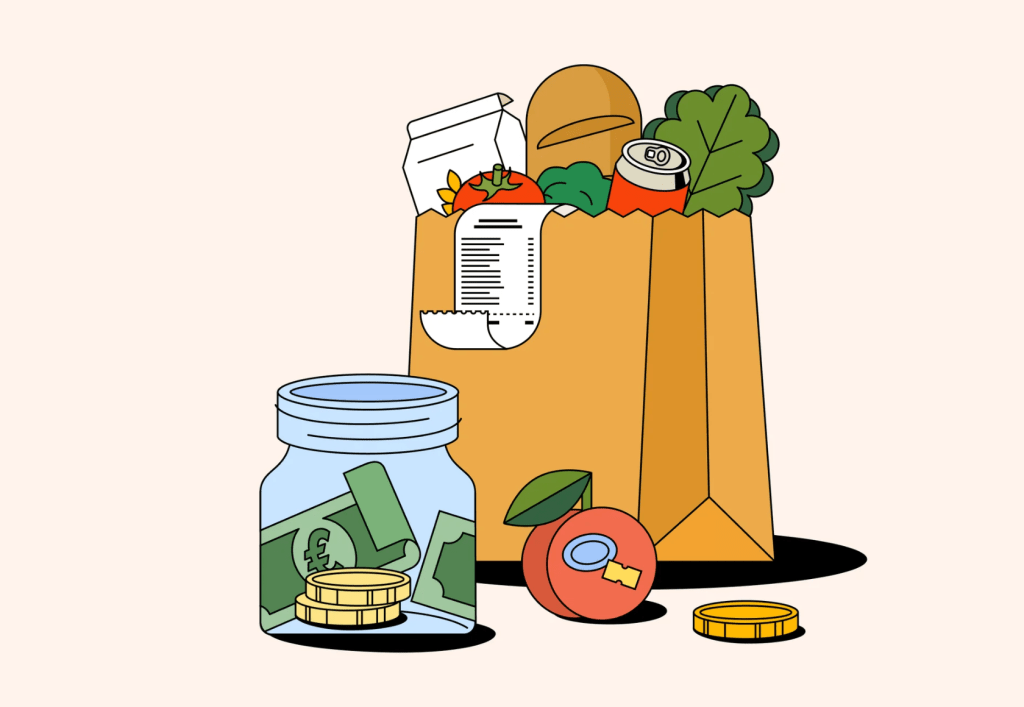
An Electronic Benefits Transfer (EBT) card is a plastic payment card that allows people in the United States to access government benefits, such as food assistance and cash aid, through an electronic system. Instead of using paper food stamps or vouchers, benefits are deposited into an account linked to the card, and recipients can use it much like a debit card at approved locations.
EBT cards are issued at the state level but work nationwide. They are most commonly used for programs like the Supplemental Nutrition Assistance Program (SNAP) and Temporary Assistance for Needy Families (TANF).
How an EBT Card Works
EBT cards operate on a secure electronic system. Each month, the government deposits benefits into the recipient’s account. To make a purchase, the cardholder swipes the card at an authorized retailer’s payment terminal and enters a personal identification number (PIN) to approve the transaction.
For SNAP benefits, the EBT card can only be used to buy eligible food items such as fruits, vegetables, bread, meat, dairy products, and non-alcoholic beverages. It cannot be used for alcohol, tobacco, household goods, or prepared hot foods. TANF benefits, on the other hand, are more flexible and can often be withdrawn as cash from an ATM.
Benefits of EBT Over Paper Vouchers
Switching from paper vouchers to EBT cards has streamlined the benefits process. EBT cards:
- Reduce fraud by requiring a secure PIN for purchases
- Provide recipients with faster, more discreet access to benefits
- Allow real-time tracking of balances and transactions
- Can be replaced more easily than paper vouchers if lost or stolen
This modernization makes it easier for both recipients and retailers to process benefits efficiently.
Where EBT Cards Can Be Used
EBT cards are accepted at most major grocery stores, convenience stores, and farmers markets that are authorized SNAP retailers. Many states now allow SNAP benefits to be used for online grocery orders from major retailers, including Walmart and Amazon.
TANF benefits are more widely usable since they function similarly to cash, though there may be restrictions on certain transactions like lottery tickets, gambling, or adult entertainment purchases.
How to Check Your EBT Balance
Lock your card between uses
The biggest 2026-era upgrade to this post is security. Skimming devices on card readers steal EBT card numbers and PINs, and criminals clone the cards to drain benefits right after monthly deposits land. The defense, recommended by the federal agencies that oversee SNAP, is to freeze the card in the EBT app when you are not shopping and unfreeze it only at checkout, block out-of-state and online transactions in the same app, and change the PIN before your benefit load date each month. Never write the PIN on the card, never share it with a retailer, and know that no state agency will ever ask for it. Features vary by state; the ebtEDGE and ConnectEBT apps are the common ones.
Most states provide several ways to check an EBT card balance:
- Online through a state EBT portal
- By calling the customer service number on the back of the card
- At an ATM (for TANF benefits)
- On the receipt after making a purchase
It is important to keep track of balances to avoid declined transactions and to budget benefits throughout the month.
Stolen benefits are rarely replaced
This is the hard fact every EBT holder should know. The federal authority that let states replace electronically stolen SNAP benefits expired on December 20, 2024, and was not renewed; skimmed SNAP benefits are generally gone for good now. A few states still replace stolen cash benefits under their own rules, but federal SNAP money has no such backstop. That is exactly why the card-locking habit in the section above matters: prevention is the only protection you have.
Financial Planning With EBT Benefits
While EBT cards provide crucial assistance, they are often meant to supplement rather than fully cover a household’s food or living expenses. Recipients can stretch their benefits further by:
- Creating a weekly meal plan before shopping
- Buying in bulk when prices are low
- Using store loyalty programs and coupons alongside EBT
- Reading personal finance books such as Your Money or Your Life to build money management skills
- Tracking overall spending with budgeting apps like Simplifi, YNAB, or EveryDollar
For those looking to move beyond reliance on EBT, developing a savings habit, considering low-cost investment options like an S&P 500 index fund, and building skills that increase earning potential can be powerful long-term strategies.
The Bottom Line
An EBT card is a modern, secure way for eligible Americans to receive and spend government benefits. By understanding how it works, knowing where it can be used, and planning spending carefully, recipients can make the most of the assistance while working toward greater financial independence.











You must be logged in to post a comment.