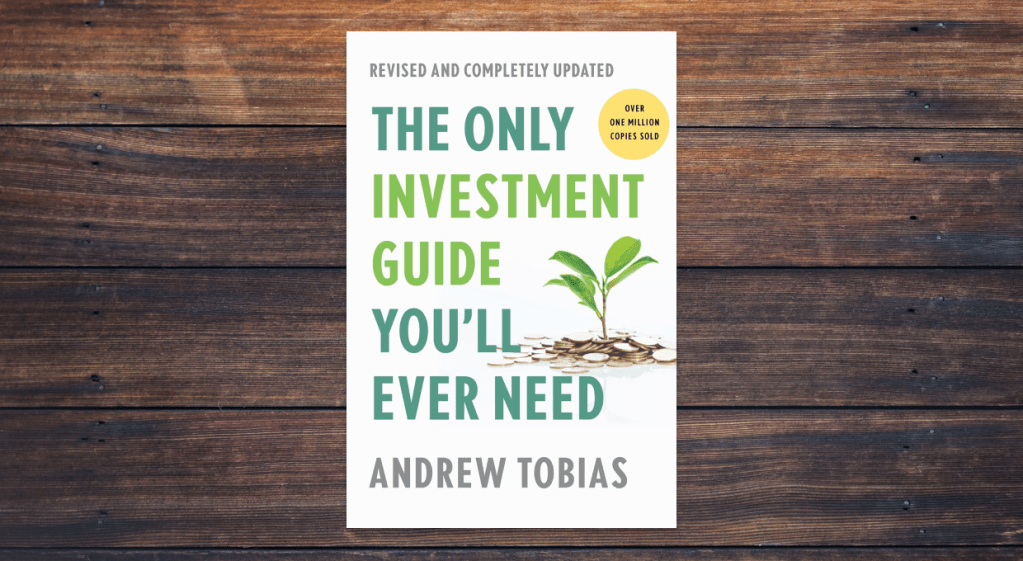
Personal finance books often overpromise and overwhelm, but Andrew Tobias has built a long career on simplifying money for everyday readers. The Only Investment Guide You’ll Ever Need continues that tradition by offering a practical, approachable path toward managing money in a changing financial landscape. The book blends humor, common sense, and timeless fundamentals that appeal to readers looking for straightforward advice on budgeting, learning, choosing a financial advisor, and building long-term wealth.
Who is Andrew Tobias?
Andrew Tobias is a respected financial writer with decades of experience explaining money in clear terms. He is best known for his long tenure as a personal finance columnist and for authoring several accessible finance books. His style is conversational and grounded in real-world behavior, which has helped his work remain relevant through many economic cycles. Tobias focuses on how individuals actually make decisions about money, not just how they should in theory, which is part of why this book continues to resonate.
Key Lessons From the Book
Spend less than you earn
Tobias reinforces the core principle that long-term financial stability begins with controlling spending. He highlights how small daily decisions compound over time and encourages readers to track expenses, avoid lifestyle creep, and use simple budgeting tools to stay organized.
Build a strong cash foundation
Emergency savings remain central to Tobias’s philosophy. Readers are encouraged to maintain a high-yield savings account, use short-term treasury bills when appropriate, and avoid unnecessary debt. These steps help create a financial buffer that reduces stress and provides flexibility.
Invest consistently in the market
The Only Investment Guide You’ll Ever Need champions low-cost index investing, particularly broad market funds such as the S&P 500. Tobias’s guidance aligns with strategies that favor long-term growth, diversification, and steady contributions rather than market timing or chasing trends.
Avoid unnecessary complexity
Tobias warns against high-fee products, speculative investments, and complicated financial structures. His advice is simple: choose tools you understand, keep fees low, and focus on long-term compounding rather than short-term excitement.
Understand your own behavior
A recurring theme is that our psychology affects how we handle money. Tobias encourages readers to recognize emotional decision-making, avoid impulsive choices, and build systems that help them stay disciplined.
Criticisms of the Book
While widely respected, the book has a few criticisms:
- Some lessons feel dated even in the revised edition. Tobias updated the content, but certain examples and anecdotes may not fully reflect today’s technology, digital banking habits, or newer investment tools.
- The humor, while appealing to many, may feel distracting to readers who prefer a more direct style.
- Readers seeking detailed step-by-step investment strategies or deep technical guidance may find the book too high-level.
Should Readers Buy It
Readers who want a friendly, accessible introduction to personal finance will find strong value here. The book explains budgeting, investing, and decision-making in a way that is easy to understand without feeling condescending. It is especially useful for beginners, young adults, or anyone looking to reset their financial habits with simple, evidence-based principles.
More advanced investors or readers who already follow disciplined index-fund strategies may find fewer new insights, but the book still serves as a helpful reminder of why fundamentals matter.
Final Thoughts
The Only Investment Guide You’ll Ever Need remains a reliable, approachable resource for people learning how money really works. Tobias mixes practical lessons with a conversational style that encourages readers to take small, meaningful steps toward financial stability. For anyone looking to understand budgeting, investing, or financial psychology without getting lost in jargon, this book is a worthwhile addition to a personal finance library.









 Winchell House
You must be logged in to post a comment.