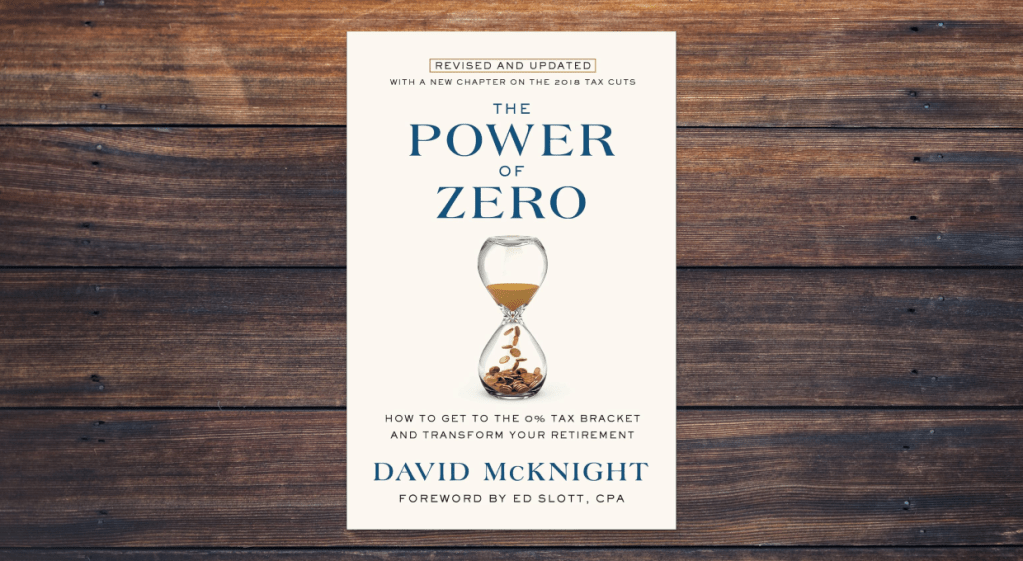
The Power of Zero by David McKnight is a popular personal finance book that explores how Americans can prepare for rising taxes in retirement. The central idea is straightforward: if future tax rates increase, retirees with traditional tax-deferred accounts like 401(k)s and IRAs may face a larger tax burden than expected. McKnight argues that shifting toward a “zero percent tax bracket” in retirement is both possible and desirable through careful planning, disciplined saving, and strategic use of specific financial tools. The book has gained attention from readers searching for guidance on retirement planning, taxes, and long-term wealth management.
Who is David McKnight?
David McKnight is a financial advisor who has spent much of his career focused on retirement tax planning. He is best known for advocating a proactive approach to managing future tax exposure, particularly for people expecting to rely heavily on tax-deferred accounts. McKnight has written several books, speaks frequently at financial conferences, and is often cited by individuals searching for a financial advisor who specializes in tax-efficient retirement strategies. His work is oriented toward helping average savers understand complicated tax issues in more accessible language.
Lessons Readers Can Take Away
One major lesson from The Power of Zero is the importance of understanding the tax structure of retirement accounts. Many people focus on maximizing contributions to tax-deferred accounts without considering how withdrawals might be taxed decades later. McKnight encourages readers to diversify their tax exposure so that they are not overly reliant on accounts that could trigger higher tax bills in the future.
Another takeaway is the potential value of Roth accounts. Roth IRAs and Roth 401(k)s allow for tax-free withdrawals in retirement, which can provide predictable after-tax income. The book also stresses the importance of reducing taxable income during retirement, including through tax-free life insurance policies and efficient withdrawals.
A broader lesson is the importance of long-term planning. Readers who track spending through budgeting apps, live a frugal lifestyle, and prioritize learning about money are better positioned to adapt to changing tax laws. The book nudges individuals to take retirement taxes seriously rather than treating them as an afterthought.
Criticisms of the Book
While the book introduces helpful concepts, there are criticisms worth noting. Some readers and financial professionals argue that McKnight leans heavily on insurance-based products, particularly cash value life insurance, which can be expensive and overly complex for many households. These products may work for some individuals, but they require careful analysis and often come with high fees.
Another criticism is that the book sometimes takes a more dramatic tone about future tax increases than necessary. Tax policy is influenced by many factors, and predicting future tax rates several decades out is inherently uncertain. Some reviewers feel the book oversimplifies the decision making process, especially for readers with large balances in tax-deferred accounts or those with limited taxable savings.
Should You Buy It?
Readers interested in learning more about retirement tax planning, especially those who want to understand the differences between taxable, tax-deferred, and tax-free accounts, will likely find value in the book.
It is written in accessible language and encourages people to think about long-term planning in a way that many retirement guides overlook.
Those who are skeptical of insurance-based strategies or who prefer more evidence-driven investment advice may find some sections less compelling. People already familiar with Roth accounts, budgeting apps, and basic retirement principles may find the material somewhat repetitive.
For readers trying to strengthen their financial foundation through books on money, broaden their understanding of taxes in retirement, or explore whether they should speak with a financial advisor, the book can be a worthwhile addition to their learning process.
Final Thoughts
The Power of Zero succeeds in highlighting an often overlooked aspect of retirement planning: how taxes shape the income you get to keep. It encourages readers to adopt a long-term mindset, diversify their tax exposure, and think carefully about how today’s decisions affect tomorrow’s financial security. While some of its recommendations require a discerning eye, the book offers valuable lessons for anyone looking to improve their understanding of retirement taxes and build a more resilient financial future.









 Winchell House
You must be logged in to post a comment.