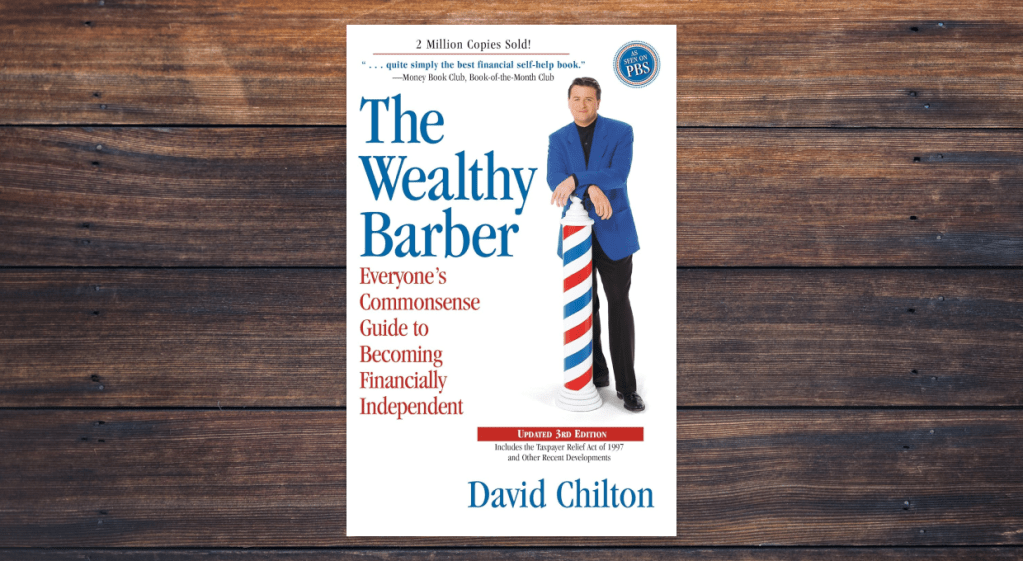
Personal finance books often fall into two categories. Some bury readers in complex formulas and aggressive promises, while others present timeless principles in a way that feels practical and durable. The Wealthy Barber by David Chilton belongs to the second camp. First published in 1989, it remains one of the most frequently recommended books on money for beginners who want a clear, approachable path toward financial independence. Its focus on simple financial habits, consistent investing, and straightforward budgeting continues to resonate with readers looking to build a solid financial foundation.
Who is David Chilton?
David Chilton is a Canadian financial advisor, entrepreneur, and author. Before writing The Wealthy Barber, he worked in the financial services industry helping individuals understand the basics of saving, insurance, and investing. Chilton later became known for appearing on the Canadian version of Shark Tank, where he invested in small businesses and coached entrepreneurs. His career has centered on personal finance education, and his writing style reflects a steady, practical approach grounded in real-world experience rather than theory.
Lessons Readers Can Take Away
One of the core reasons the book has stayed relevant is its emphasis on habits rather than speculation. Chilton uses a narrative format, following a fictional barber who teaches simple financial lessons to his customers. This storytelling structure makes the book accessible to people who may be intimidated by traditional finance writing.
Key takeaways include:
Pay yourself first
Chilton suggests setting aside 10 percent of income before paying for anything else. This mirrors the philosophy that long-term wealth is built through steady contributions to savings and investment accounts.
Automate investing in broad index funds
Although written before index funds became as widespread as they are today, the book promotes steady, long-term investing rather than stock picking. This aligns well with modern approaches like investing in the S&P 500 and building a long-term nest egg.
Live below your means
The book highlights the dangers of lifestyle creep and makes a strong case for frugal living. Keeping fixed costs low creates space for saving and investing, regardless of income level.
Protect yourself with the right insurance
Chilton offers clear explanations of life insurance, disability insurance, and estate planning. He encourages readers to focus on essential coverage and avoid complicated, high-fee products.
Use simple budgeting systems
The barber encourages tracking spending to improve self-awareness. Today’s popular budgeting apps make this process easier and help people align day-to-day choices with long-term financial goals.
Criticisms of the Book
Despite its ongoing popularity, The Wealthy Barber is not without critics.
Some readers find the narrative format dated or overly simplistic. The fictional dialogue can feel slow compared with modern personal finance writing that is more direct and data driven. Others feel that some of the book’s examples no longer reflect current interest rates, tax laws, or retirement planning assumptions. A few chapters on insurance and estate planning may feel limited for readers with more complex financial situations.
However, most of these criticisms relate to tone or age rather than the underlying principles, which remain sound.
Should You Buy It?
Readers who want a straightforward introduction to personal finance will find this book valuable. It is especially useful for young adults, new investors, or anyone struggling to build consistency with saving and budgeting. Those who already have a strong understanding of index investing, cash flow management, or retirement planning may find the content familiar, but the book still serves as a helpful reminder that wealth comes from discipline, not complexity.
For readers building a library of books on money, this title earns a place.
Final Thoughts
The Wealthy Barber remains a steady, commonsense guide to financial independence. Its advice aligns with approaches that emphasize frugal living, steady investing in the S&P 500, and building a high-yield savings buffer.
While some details feel dated, the book’s core message still holds up: the path to financial stability is built on simple habits practiced consistently. For anyone looking to strengthen their financial foundation, it is worth reading.









 Winchell House
You must be logged in to post a comment.