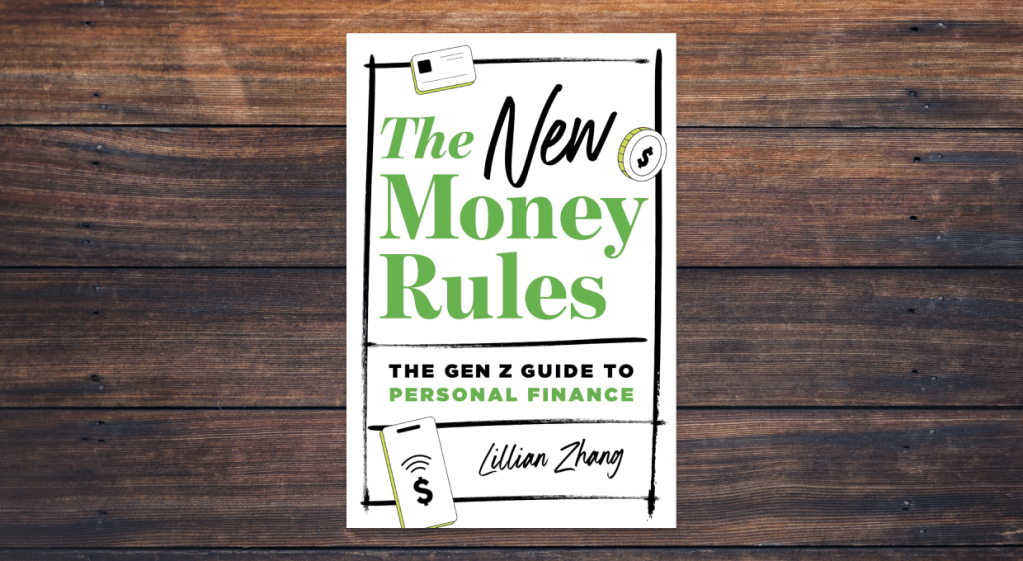
The New Money Rules: The Gen Z Guide to Personal Finance is written for a generation navigating a financial world very different from the one their parents grew up in. Rising living costs, student loans, and a digitized economy shape the backdrop of Lillian Zhang’s guidance. The book aims to give younger readers a practical foundation for managing money while also pushing them to think differently about spending, saving, and investing.
Who is Lillian Zhang?
Lillian Zhang is a financial educator and content creator who built a large following by breaking down complex personal finance topics into approachable, reality-based lessons. She focuses on helping young adults develop confidence with budgeting, saving, and understanding basic investing principles. Her style is direct, conversational, and grounded in the questions she hears most often from people just starting their financial journey.
Lessons Readers Can Take Away
Zhang’s core message is that the fundamentals of money management still matter, even in an era of fast-moving financial trends. Several lessons stand out.
Start small but start early. Zhang emphasizes the power of beginning with whatever amount someone can commit. Consistency matters more than trying to guess the best moment to invest.
Budgeting is a skill, not a punishment. She strongly encourages readers to use budgeting apps to track spending habits, highlight problem areas, and create a realistic plan. Her approach is flexible enough to work with irregular income, which is common among gig workers and freelancers.
Investing should be boring. A large portion of the book encourages sticking to diversified, low-cost index funds rather than chasing cryptocurrency, day trading, or stock-picking trends. Zhang stresses long-term thinking and points to the historical strength of the S&P 500 as a practical foundation for a nest egg.
Emergency savings matter. Zhang makes the case for keeping cash in a high-yield savings account and avoiding the cycle of debt that often comes from not having a buffer.
Understand your psychology. One of the strongest chapters covers how emotions, social comparison, and lifestyle creep influence financial decisions. She offers strategies for building discipline and separating wants from needs.
Criticisms of the Book
While the book is helpful, a few criticisms are worth noting.
Some advice is oversimplified. Certain topics, such as taxes and retirement account selection, are presented at a high level. Readers with more complex financial situations may want additional detail or seek guidance from a financial advisor.
Limited depth on long-term investing. Zhang is clear about the benefits of index investing, but experienced readers may find the investing section a bit basic. The book prioritizes accessibility over depth.
A strong Gen Z focus. The tone and examples are tailored to younger readers. Older readers or those already financially independent might find parts of the book less relevant, though the core principles still apply.
Should You Buy It?
Readers looking for an easy-to-understand introduction to personal finance will benefit from this book. It is particularly useful for teens, college students, new graduates, and anyone who wants to build better habits with a straightforward system. Those who already read widely about money, investing, or financial independence may find it less groundbreaking.
Final Thoughts
The New Money Rules offers practical, beginner-friendly guidance that encourages long-term thinking, thoughtful budgeting, and steady investing. Zhang’s strength is making personal finance feel approachable rather than intimidating. While the book may not satisfy readers who want deeper technical detail, it succeeds as a clear and encouraging roadmap for anyone starting out.



 Winchell House
You must be logged in to post a comment.