
Betsey Stevenson is a prominent American economist known for her work on labor markets, wages, inequality, and the economics of well being. She has played an influential role in shaping how economists and policymakers think about work, family life, and economic opportunity in the United States. While not a traditional personal finance author, her research and public commentary offer valuable insights for anyone interested in learning how money, work, and policy affect everyday financial outcomes.
Academic Background and Career
Betsey Stevenson is a professor of public policy and economics at the University of Michigan. She earned her PhD in economics from Harvard University, where she developed a strong foundation in labor economics and applied microeconomics.
Earlier in her career, she taught at the Wharton School of the University of Pennsylvania, where she built a reputation for rigorous, data driven research. Her academic work is widely cited and frequently discussed in policy circles, making her one of the more influential economists working on labor and social issues today.
Role in Public Policy
Stevenson has also served in government. During the Obama administration, she was a member of the Council of Economic Advisers, where she focused on labor markets, education, and economic measurement. In that role, she helped translate academic research into practical policy recommendations.
This experience gives her work a grounded perspective that resonates with readers who want to understand how economic theory connects to real world outcomes like wages, employment, and household financial stability.
Research Focus: Work, Wages, and Well Being
Much of Stevenson’s research examines how economic conditions affect people’s lives beyond simple income measures. She has studied:
- Wage growth and income inequality
- Employment trends and job quality
- The economics of happiness and life satisfaction
- Gender differences in labor markets and family outcomes
One of her most well known contributions is her research on well being, which challenges the idea that economic success should be measured only by GDP or stock market performance. Instead, she emphasizes broader indicators such as job security, income growth, and life satisfaction.
For readers trying to make smart money decisions, this perspective is useful. It reinforces the idea that personal finance is not just about maximizing returns, but about aligning financial choices with long term quality of life.
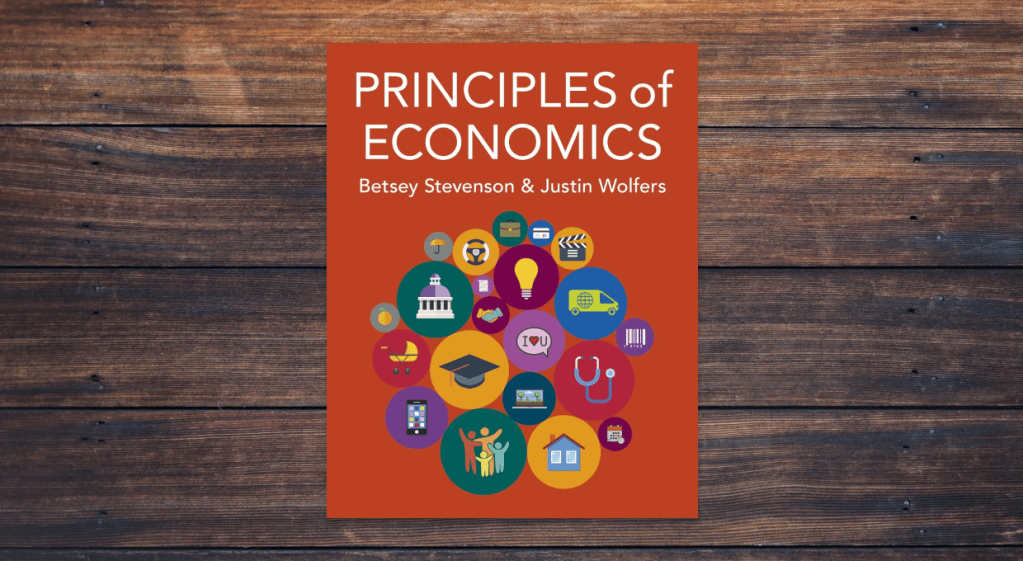
Betsey Stevenson, The Author
Betsey Stevenson is not best known for writing traditional books on money in the way that many personal finance authors are. Instead, she is an academic author who has written influential research papers, policy reports, and essays.
She is also a regular contributor to public conversations about economics through opinion writing and media appearances. Her work has appeared in major outlets such as The New York Times, where she helps explain complex economic issues in plain language for a general audience.
For readers who enjoy learning about money through ideas rather than step by step budgeting systems, her writing offers a thoughtful complement to more tactical personal finance books.
Why Betsey Stevenson Matters to Everyday Investors
Although Stevenson does not offer investing advice or budgeting templates, her work helps readers understand the broader forces that shape financial outcomes. Topics like wage growth, inflation, job mobility, and economic security directly influence how much people can save, invest, and spend.
For someone working with a financial advisor, using a budgeting app, or building a long term S&P 500 portfolio, this context matters. Understanding how labor markets and policy affect income can lead to more realistic expectations and better long term planning.
Key Takeaways for Readers Learning About Money
Betsey Stevenson’s work reinforces several important lessons for anyone on a financial learning journey:
- Income growth matters just as much as investment returns
- Economic stability plays a major role in financial decision making
- Measuring success only by wealth can miss important aspects of well being
- Smart financial planning should account for both money and life satisfaction
Her research encourages a balanced approach to personal finance, one that values frugality, long term investing, and thoughtful career choices while recognizing that money is a tool, not the end goal.
Final Thoughts
Betsey Stevenson is an economist who brings clarity and humanity to discussions about money, work, and economic progress. While she may not have written a classic personal finance book, her ideas are highly relevant to anyone trying to understand how economic forces shape personal financial outcomes.
For readers interested in learning about money at a deeper level, especially the connection between income, work, and quality of life, her work is a valuable addition to a well rounded financial education.









 Winchell House
You must be logged in to post a comment.