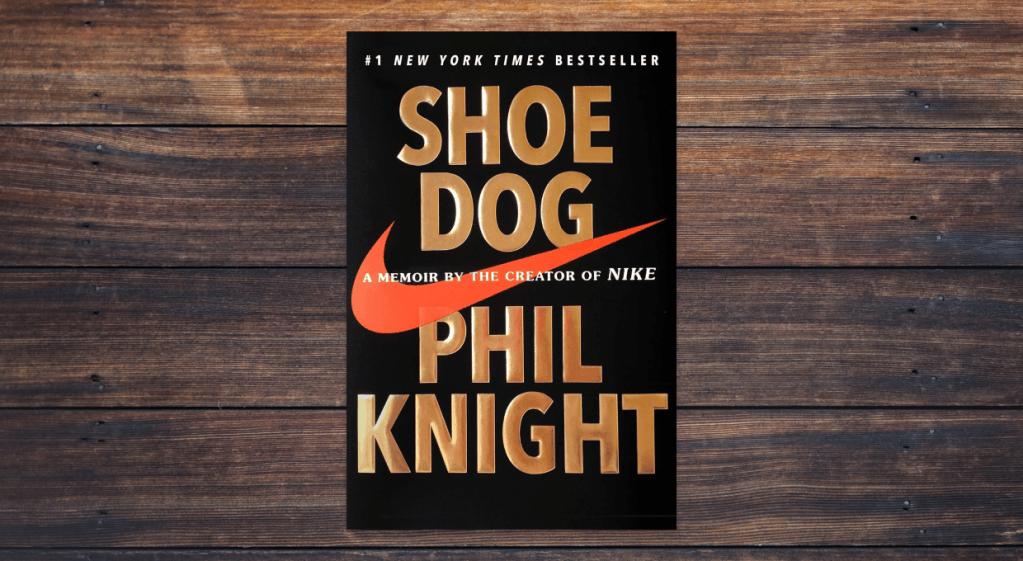
Phil Knight didn’t set out to build Nike. He set out to import Japanese running shoes and sell them out of his car. Shoe Dog is his memoir of how that improbable plan became the most valuable sports brand on earth, and it’s one of the best business books ever written, precisely because Knight doesn’t mythologize the journey.
The Story
The arc is familiar in outline: Knight borrows $50 from his dad, flies to Japan, talks his way into distributing Onitsuka Tiger shoes in America, and spends the next two decades one bad quarter away from bankruptcy. What’s remarkable is the texture: the lawsuits, the cash-flow crises, the near-death experiences with banks and suppliers, the early team (Jeff Johnson, Bill Bowerman) who believed when belief was irrational. Knight writes about fear honestly. Most founder memoirs are victory laps; this one reads like a thriller where you know the ending but still hold your breath.
Who is Phil Knight?
Phil Knight is the co-founder of Nike, Inc. He started the company in 1964 as Blue Ribbon Sports, importing Japanese running shoes, and built it into the world’s most valuable sports brand. Knight is known for his reclusive, introspective style; Shoe Dog is his candid memoir of the chaotic early years.
Start small, stay stubborn
Knight’s origin story is almost comically frugal: $50 borrowed from his father, a trip to Japan, shoes sold from the trunk of a car. There’s no venture capital, no master plan, just a runner who loved Japanese shoes and a willingness to look foolish. That’s the part aspiring founders should underline. You don’t need permission or perfect conditions. You need a product people want and the stubbornness to keep going when the bank says no. The frugal parallel is obvious: start where you are, keep costs low, and let time do the compounding, whether it’s a business or an index fund.
The business lessons
Three stand out. First, cash flow is everything: Nike nearly died multiple times not from bad products but from growing faster than its bank account allowed. Second, brand is built in the doing: the swoosh, “Just Do It,” the athlete endorsements, all downstream of making shoes runners actually wanted. Third, Knight’s management philosophy: don’t tell people what to do, tell them where you’re going and let them surprise you. It’s a book about hiring great people and getting out of their way.
Endurance is the strategy
The most striking pattern in Shoe Dog isn’t a tactic. It’s survival. Nike nearly dies from a lawsuit, from a cash crunch, from a supplier betrayal, from a bank calling a loan. Each time, Knight finds a way through, not with brilliance but with refusal to quit. That’s the book’s real business lesson, and it translates directly to investing. The S&P 500 has had a dozen near-death moments too. The investors who build wealth aren’t the ones who predict the crises. They’re the ones who don’t sell during them. Endurance, automated and unglamorous, beats cleverness.
An investor’s takeaway
You don’t have to want to build Nike to get value here. Read it as an investor and the lessons are about temperament: back great management, think in decades, and understand that every great company looked doomed at some point. Knight’s philosophy of hiring talented people and getting out of their way is also a decent description of index investing. You’re hiring thousands of CEOs at once and letting them work. The book won’t teach you to pick stocks. It will teach you why the patient money usually wins, which is the more important lesson.
What are some criticisms of the book?
What it’s not
It’s not a how-to. Knight is explicit that luck, timing, and stubbornness mattered as much as strategy. And it’s a memoir, not an exposé: the darker chapters of Nike’s labor history get light treatment.
Who is This Book For?
Who should read it
Anyone who builds things (founders, investors, or just people who love a great story). It’s also the rare business book that’s genuinely well-written; Knight’s a natural storyteller.
Where to get it
Buy it if you love a great business story or want to understand how enduring companies are built. It’s especially valuable for investors who need to appreciate that every great company looked doomed at some point. Skip it if you want a how-to manual; this is a memoir, not a playbook. At around $18, it’s a thrilling read that teaches patience.
Final Thoughts
Shoe Dog endures because Knight doesn’t mythologize. He shows the fear, the near-bankruptcies, and the stubbornness required to build something lasting. For a frugal investor, the lesson is clear: endurance beats cleverness, in business and in the market.











You must be logged in to post a comment.