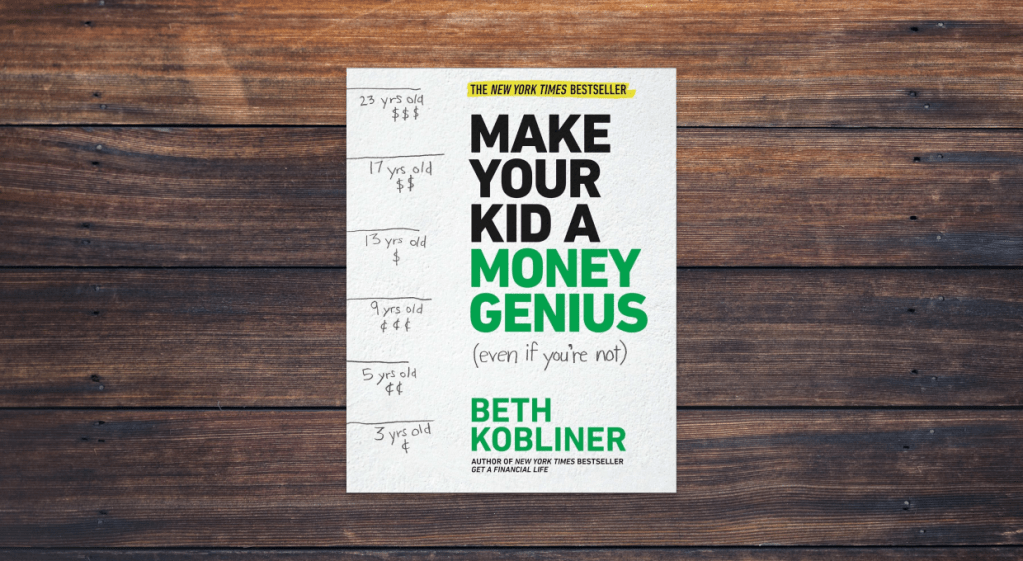
Teaching kids about money is one of the most valuable lessons parents can impart, yet many struggle with where to start. In Make Your Kid a Money Genius (Even If You’re Not), Beth Kobliner provides a practical and engaging guide for parents who want to instill good financial habits in their children from an early age. Covering topics relevant to kids aged 3 to 23, this book breaks down complex financial concepts into actionable lessons that parents can implement in everyday life. But does it live up to its promise? Let’s take a closer look.
Who is Beth Kobliner?
Beth Kobliner is a personal finance journalist and bestselling author known for making financial concepts accessible to everyday people. She has served as a member of the President’s Advisory Council on Financial Capability and has written for The New York Times, The Wall Street Journal, and Money magazine. Her previous book, Get a Financial Life: Personal Finance in Your Twenties and Thirties, became a go-to resource for young adults navigating financial independence. With Make Your Kid a Money Genius, Kobliner shifts her focus to helping parents raise financially savvy children.

Lessons from the Book
One of the biggest takeaways from Make Your Kid a Money Genius is that financial habits start forming early. Kobliner emphasizes that teaching kids about money doesn’t require being a financial expert—small, consistent lessons can make a significant impact. Some of the core lessons in the book include:
- Start Early and Keep It Simple – Even young children can grasp basic money concepts. Teaching kids about saving, spending, and delaying gratification helps lay a strong financial foundation.
- Avoid Giving Allowances for Chores – Kobliner argues that chores should be done as part of family responsibility, not as a financial incentive. Instead, she suggests giving kids opportunities to earn money in other ways.
- The Power of Saving – Make Your Kid a Money Genius highlights the importance of encouraging kids to save a portion of their money, introducing them to concepts like compound interest in an age-appropriate way.
- Debt Awareness – Many young adults struggle with student loan and credit card debt. Kobliner stresses that teaching kids about the dangers of unnecessary debt early can help prevent financial missteps later in life.
- The Influence of Parental Behavior – Children learn about money by watching their parents. Modeling good financial habits, such as budgeting, avoiding impulsive spending, and prioritizing savings, is crucial.
Criticisms of the Book
While Make Your Kid a Money Genius is packed with valuable insights, it does have some drawbacks:
- Lack of Practical Tools – Make Your Kid a Money Genius provides excellent general advice, but some readers may find it lacking in concrete tools such as worksheets or step-by-step financial planning exercises.
- Overemphasis on Parental Responsibility – While parental influence is crucial, some readers might feel overwhelmed by the idea that they alone shape their child’s financial future. A broader discussion on integrating financial literacy into school curricula would have been helpful.
- Some Concepts May Be Overly Simplistic – While the book aims to be accessible, certain financial concepts are presented in a way that may seem too simplified for parents looking for more in-depth strategies.
Final Thoughts
Make Your Kid a Money Genius (Even If You’re Not) is an engaging, practical guide for parents who want to equip their children with strong financial skills. While it isn’t a comprehensive financial literacy curriculum, it offers a solid foundation and actionable tips that can have a lasting impact. If you’re a parent looking to raise money-smart kids, this book is a worthwhile read.
Teaching kids about budgeting, saving, and investing early can set them on the path to a financially secure future.









 Winchell House
You must be logged in to post a comment.