
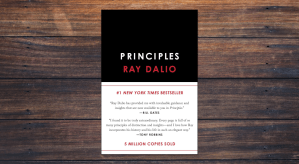
Principles: Life and Work by Ray Dalio is part memoir, part guidebook, and part philosophical manifesto. First published in 2017, the book quickly became a bestseller and a favorite among those interested in personal development, leadership, and financial success.
At over 500 pages, it’s not a light read, but for those willing to engage with its ideas, it offers a deep well of insight on decision-making, productivity, and building systems that work.
Who is Ray Dalio?
Ray Dalio is the founder of Bridgewater Associates, one of the world’s largest and most successful hedge funds. With decades of experience in the financial industry, Dalio is widely regarded as one of the most influential investors of our time. His approach to management, investing, and problem-solving has made him a thought leader far beyond Wall Street.
In Principles, Dalio shares the foundational ideas that shaped Bridgewater’s success, as well as the personal and professional lessons he’s learned over the course of his life. Principles is broken into three sections: his personal story, his life principles, and his work principles.
Key Lessons from Principles: Life and Work
Embrace Radical Transparency
Dalio advocates for radical transparency in both personal and professional environments. This means creating a culture where people can speak openly, challenge each other’s ideas, and make decisions based on objective truth rather than ego or hierarchy.
Use Systems to Make Better Decisions
A recurring theme in Principles is the value of building systems (mental models and decision-making frameworks) that help remove emotion from important choices. Dalio encourages readers to learn from their mistakes, document what works, and use those insights to inform future decisions.
Understand Your Strengths and Weaknesses
Dalio places a high value on self-awareness. He recommends personality assessments and feedback mechanisms to help people understand how they work best, how they interact with others, and where they need support.
Pain + Reflection = Progress
One of Principles‘ most repeated formulas, Dalio suggests that painful experiences are often the best teachers. If we’re willing to reflect deeply on our failures, we can improve and grow in meaningful ways.
Criticisms of the Book
While many readers find Principles inspiring and useful, it’s not without its critics. Some feel that the book is too long and repetitive, with key concepts repeated excessively. Others take issue with the tone, which can come across as overly self-congratulatory or even cultish in how it describes Bridgewater’s internal culture.
Additionally, the very systems Dalio promotes (like algorithmic decision-making and employee scoring) may feel too rigid or dehumanizing for some readers.
Should You Buy It?
If you’re looking Principles on money, self-improvement, or learning how to think more clearly, Principles is worth a look. It’s especially useful for readers who enjoy structured thinking and are open to introspection. While the book isn’t a traditional personal finance guide, its lessons can help you build better habits, make smarter decisions, and develop a more resilient mindset around work and life.
Final Thoughts
Principles: Life and Work is a thought-provoking read that challenges you to look at your life through a more analytical and honest lens.
While it may not be for everyone, it can be a powerful tool for those seeking to improve their decision-making, leadership, and personal growth. It’s not a book about money in the traditional sense, but it aligns well with the values of budgeting, planning, and lifelong learning.
For anyone serious about leveling up in work and life, Dalio’s principles are worth studying.









 Winchell House
You must be logged in to post a comment.