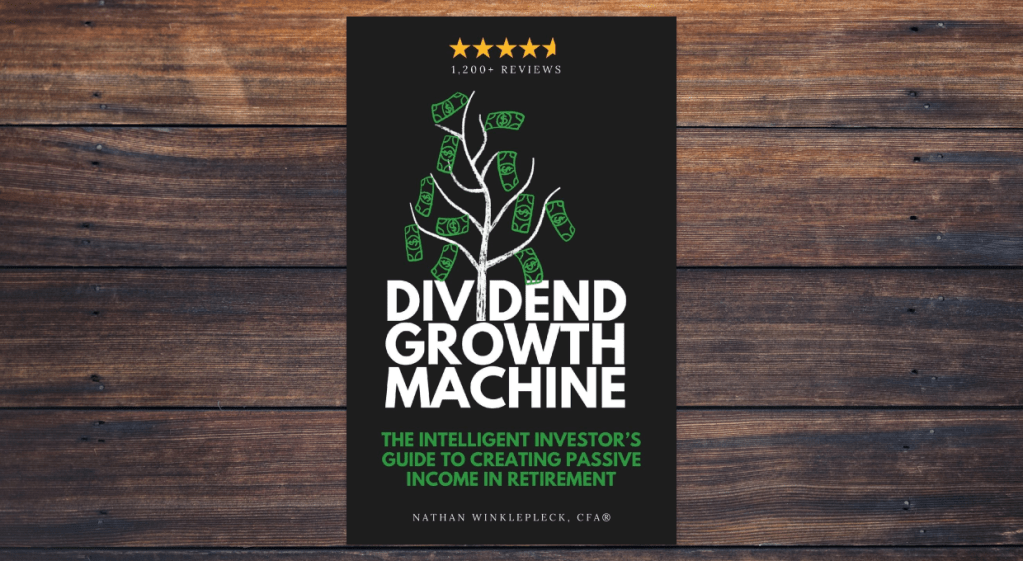
Dividend Growth Machine: How to Supercharge Your Investment Returns with Dividend Stocks by Nathan Winklepleck is a short, approachable guide to dividend investing, especially for those who are just getting started. Winklepleck presents a clear, beginner-friendly argument for why building a portfolio of dividend-paying stocks can lead to long-term wealth.
While Dividend Growth Machine is light on advanced investing strategies, it succeeds in simplifying the case for dividend growth and helping readers build a solid financial foundation.
Who is Nathan Winklepleck?
Nathan Winklepleck is a former hedge fund manager and investment analyst who now writes about personal finance and investing. He runs the blog “The Rational Walk” where he shares thoughts on long-term investing and financial independence. In Dividend Growth Machine, Winklepleck distills his years of investing experience into a book designed for people who want to create a steady income stream through dividend-paying stocks.
His tone is conversational, and he writes with the mindset of a mentor rather than a salesman. The book avoids unnecessary jargon, which makes it accessible even if you’ve never bought a stock before.
Lessons from Dividend Growth Machine
One of the biggest takeaways from Dividend Growth Machine is the power of dividend growth investing. Winklepleck makes a strong case that buying shares in well-managed companies that raise their dividends year after year can produce income that grows faster than inflation and is far more reliable than trying to time the market.
Here are a few key lessons from the book:
- Start early and be consistent: The earlier you start investing in dividend stocks, the more time your portfolio has to compound. Winklepleck encourages a long-term mindset and explains how even small investments can grow significantly over time.
- Focus on quality companies: Dividend Growth Machine urges readers to look for companies with a long track record of dividend increases, strong balance sheets, and sustainable competitive advantages.
- Reinvest dividends: Instead of spending the dividend income, reinvesting it allows investors to buy more shares, which in turn produces even more dividends. This snowball effect is what Winklepleck calls the “machine.”
- Don’t chase yield: High yields might seem attractive, but the author warns that they often come with higher risk. Instead, look for companies with modest but growing dividends.
Dividend Growth Machine also includes basic guidance on how to evaluate a stock, build a portfolio, and avoid emotional pitfalls when investing.
Criticisms of the Book
While Dividend Growth Machine is easy to understand and practical, it may feel overly simplistic to readers with some investing experience. It does not go deep into valuation metrics, tax considerations, or portfolio allocation strategies. The book is relatively short, and some chapters feel more like summaries than full discussions.
Some readers may also wish the book included real-life case studies or more examples of specific companies and how they’ve rewarded long-term investors with rising dividends.
Lastly, Winklepleck assumes that most readers will have the patience and discipline to stick with dividend investing for decades. That’s an admirable goal, but it may feel unrealistic for people hoping to see faster results.
Should You Buy This Book?
If you’re new to investing or have heard about dividend stocks but don’t know where to start, Dividend Growth Machine is a solid introduction. It explains the core principles clearly and offers actionable advice you can use right away. Readers looking to build passive income over time will find this book motivating and easy to follow.
If you’re already familiar with dividend investing or want a deep dive into valuation and stock analysis, you might find this book too basic. In that case, more advanced books like The Single Best Investment by Lowell Miller or The Intelligent Investor by Benjamin Graham may be more appropriate.
Final Thoughts
Dividend Growth Machine is a fast read with a powerful message: slow, steady investing in quality dividend-paying stocks can lead to financial freedom. It aligns well with a frugal lifestyle and long-term investment strategy, especially for readers who want to avoid speculative investing and focus on building a sustainable income stream.
While it may not be the last book you read on investing, it’s a great one to start with. For readers looking to understand how money works, build confidence in their financial decisions, and begin investing in a practical and disciplined way, this book is worth adding to your personal finance reading list.









 Winchell House
You must be logged in to post a comment.