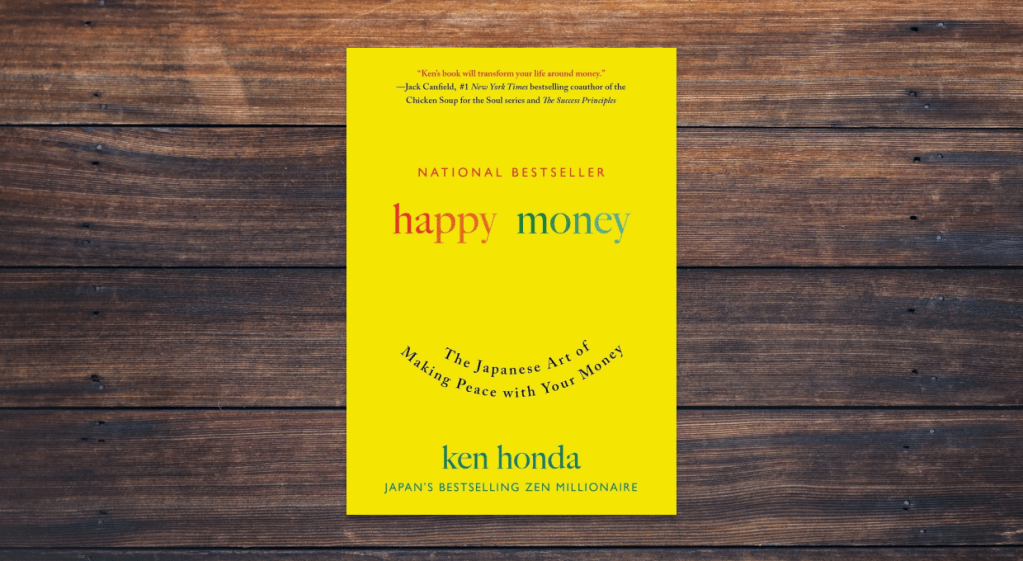
Happy Money: The Japanese Art of Making Peace with Your Money by Ken Honda is not your typical personal finance book. While many titles in the genre focus on investing strategies, debt repayment, and strict budgeting, Honda’s book leans into the emotional and psychological aspects of money. He invites readers to explore their relationship with money, with the goal of transforming fear and anxiety into gratitude and peace.
Happy Money may not replace your financial advisor, but it offers something many financial resources overlook—an inner sense of calm about money.
Who is Ken Honda?
Ken Honda is a bestselling author and financial personality from Japan who has sold over eight million books. He’s often referred to as the “Zen Millionaire” because of his approach to wealth that blends financial wisdom with principles from mindfulness and emotional intelligence.
Honda has spent years interviewing self-made millionaires and ordinary earners alike, seeking to understand how different people think and feel about money. His insights are based not just on numbers, but on deeply rooted patterns of behavior and thought.

Lessons from Happy Money
One of the book’s core ideas is that money is energy. Honda categorizes money as either “Happy Money” or “Unhappy Money.” Happy Money is given and received with gratitude and joy, while Unhappy Money comes from stress, fear, and resentment. This concept reframes financial transactions into emotional experiences, encouraging readers to pay attention to how they feel when they spend or receive money.
Here are a few standout takeaways:
- Say “Thank You” When You Spend and Receive Money: Honda encourages expressing gratitude, even silently, during every financial transaction. This can shift your mindset from scarcity to abundance.
- Heal Your Money Wounds: Many of us carry emotional baggage about money from childhood or past failures. Honda suggests confronting and understanding those emotions in order to make better financial decisions today.
- Give Freely, Receive Freely: Generosity is a major theme. By learning to give without fear and accept with appreciation, you open the door to a more balanced and fulfilling financial life.
- Focus on Flow, Not Accumulation: Instead of hoarding wealth, Honda promotes a healthy flow of money, which means knowing when to save, when to invest, and when to spend intentionally.
Criticisms of the Book
While Happy Money resonates with many readers looking for a more emotional and philosophical approach to finance, it has its critics.
- Lacks Specific Financial Tactics: Readers looking for concrete advice on investing, saving, or using budgeting apps may find the book light on actionable steps.
- Too Philosophical for Some: The tone and ideas can feel abstract, especially to those who prefer a more data-driven, traditional financial education.
- Not Culturally Universal: Some of the ideas are rooted in Japanese culture and may not always feel applicable to American readers navigating different financial systems and social norms.
Why This Book?
Happy Money stands out because it asks readers to look inward. Financial success isn’t just about spreadsheets and portfolios. It’s also about mindset, values, and emotional clarity. For people who feel stuck in a cycle of spending guilt or saving anxiety, this book offers a fresh, liberating perspective.
Reading books about money from a variety of angles is essential for true financial literacy. A well-balanced financial life isn’t just about choosing the right index fund or downloading the best budgeting app—it’s also about creating peace with how you think about and use your money.
Final Thoughts
Happy Money by Ken Honda might not give you a step-by-step plan to build your nest egg or pay off debt, but it delivers something equally valuable: the chance to reevaluate your emotional connection to money. It’s a helpful complement to more tactical personal finance books and a strong reminder that money is not just a tool—but also a relationship.
For readers on their financial journey, Happy Money could be the mindset shift needed to turn stress into peace, and scarcity into gratitude.









 Winchell House
You must be logged in to post a comment.