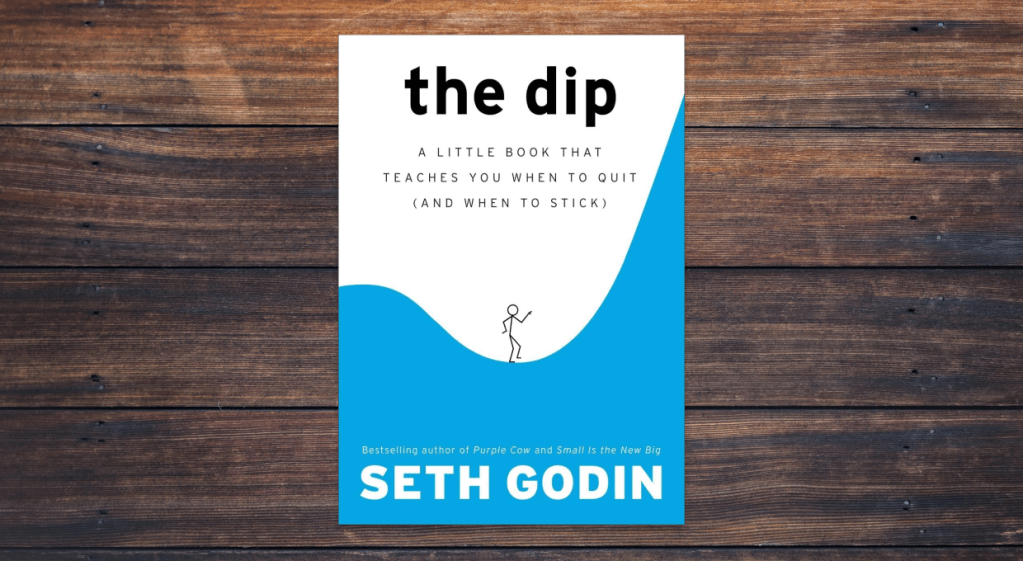
When should you quit, and when should you push through? That’s the central question of The Dip: A Little Book That Teaches You When to Quit (and When to Stick) by Seth Godin. This compact, digestible read isn’t about throwing in the towel too soon—it’s about quitting the right things for the right reasons so you can double down on the things that matter.
Godin makes the case that quitting can be a strategic move, especially in a world where time, attention, and energy are limited resources. The Dip encourages readers to assess the long-term value of their efforts and to stop wasting time on dead-end pursuits. For anyone looking to build a successful career, business, or even personal financial strategy, the book delivers a focused and timely message.
Who is Seth Godin?
Seth Godin is a bestselling author, entrepreneur, and marketing expert known for his sharp insights on business, leadership, and human behavior. With books like Purple Cow, Linchpin, and Tribes, Godin has helped shape modern thinking around innovation and personal branding. His work often blends motivation with practical advice, making it especially appealing to those navigating uncertain paths in their careers or investments.
Godin’s writing style is punchy, clear, and provocative—he tends to avoid fluff and gets right to the point. That same energy is present in The Dip, which clocks in at under 100 pages but still manages to challenge deeply held assumptions about perseverance and success.
Lessons Readers Can Take Away
Not all quitting is bad
One of the book’s key messages is that strategic quitting is necessary to succeed. Godin argues that winners quit fast and often when they realize something isn’t worth the effort—and they stick through the hard parts when the outcome is worth it.
The Dip is what separates winners from the rest
The “dip” refers to the temporary slump between starting something and becoming truly excellent at it. This period is difficult, frustrating, and tempting to escape. But it’s also the point where most people give up. Those who endure the dip, however, tend to reap outsized rewards. This applies to everything from business and career paths to financial habits and investment strategies.
Scarcity creates value
Whether you’re striving to become a top writer, athlete, investor, or entrepreneur, the rewards go disproportionately to those who push through the dip and become the best in their niche. In Godin’s view, being average won’t cut it—excellence is what matters, and excellence requires sacrifice.
Knowing when to quit can save you wasted effort
People often stick with things—jobs, business ideas, even bad financial habits—because they’re afraid of the sunk cost fallacy. Godin encourages readers to detach emotionally and ask whether the path they’re on is truly going anywhere. If not, it’s okay (even smart) to quit.
Criticisms of the Book
While The Dip offers useful perspective, it has its limitations. Some readers may find the advice a bit too simplistic or repetitive. The book’s brevity means it doesn’t dive deeply into specific strategies for identifying whether a “dip” is worth enduring or a sign to quit. It also leans heavily on anecdotal examples rather than hard data.
Another common criticism is that the advice may seem obvious or already familiar to those who regularly read personal development books. For readers who prefer more in-depth analysis or actionable frameworks, The Dip may feel more like a motivational pamphlet than a comprehensive guide.
Should You Buy It?
If you’re at a crossroads in your career, side hustle, or personal finance journey – then yes. The book is a quick read that prompts deep reflection, and it can be particularly valuable if you’re someone who tends to push through everything without asking whether it’s still the right path.
Plus, if you do buy it, you get to tell your friends that you “bought the dip” and they’ll think you’re a savvy investor.
On the flip side, if you’re looking for detailed financial advice, investment strategies, or tactical planning, this isn’t the book for that. But it is a solid read if you’re trying to decide whether to continue a difficult pursuit or redirect your energy toward something more promising.
Final Thoughts
The Dip is a powerful little book with a big idea: success doesn’t come from never quitting—it comes from quitting the right things at the right time. That lesson applies not only to careers and creative work, but also to how we manage our money and time.
The Dip won’t tell you how to budget or what stock to buy, but it may help you figure out whether you’re spending your energy wisely… or whether it’s time to pivot.









 Winchell House
You must be logged in to post a comment.