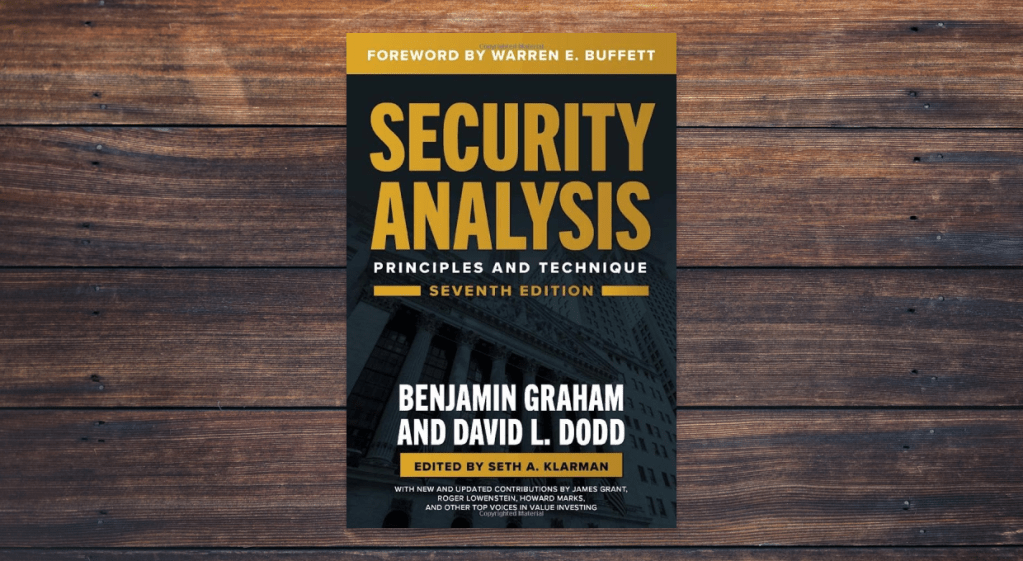
Security Analysis is one of the most influential books in the history of investing. First published in 1934 during the aftermath of the market crash, it established the foundation for value investing and shaped how generations of investors approach research, risk, and long-term thinking. While the book is dense and technical, its core ideas continue to guide thoughtful investors who want to understand how businesses create value and how to avoid the trap of speculation.
Who Were Benjamin Graham and David Dodd
Benjamin Graham and David Dodd were finance professors at Columbia University whose work helped turn investing into a discipline grounded in analysis rather than speculation. Graham is often called the father of value investing, and his teachings influenced figures like Warren Buffett. Dodd collaborated closely with Graham to create a structured framework for evaluating securities, focusing on intrinsic value, margin of safety, and the importance of disciplined research.
Their work came at a time when financial reporting was inconsistent and many investors relied on rumors or tips. Graham and Dodd’s approach pushed investors toward studying financial statements, evaluating risk, and understanding how real businesses operate.
Lessons Readers Can Take Away
Intrinsic Value Matters More Than Market Price
A central message of the book is the need to determine a company’s intrinsic value. Market prices move constantly, but the underlying worth of a business changes slowly. Investors who learn how to estimate value can avoid overpaying for excitement or panic selling during downturns.
Margin of Safety as a Core Principle
Graham and Dodd argue that every investment should include a margin of safety. This principle encourages investors to buy securities at a discount to their estimated value, creating a buffer against uncertainty, mistakes, or unexpected market shifts.
Focus on Fundamentals
The authors stress the importance of studying financial statements, comparing companies against peers, and understanding real business performance. This kind of research helps investors distinguish between healthy companies and those relying on aggressive accounting or unsustainable growth.
Avoid Speculation
The book encourages readers to separate investing from speculation. Investing involves careful study and long time horizons. Speculation relies on predicting quick market moves. Graham and Dodd make the case that long-term wealth comes from patient, informed decisions rather than chasing market trends.
Discipline Beats Emotion
While the authors do not frame their ideas as behavioral finance, the book emphasizes avoiding emotional decision making. This mindset aligns with budgeting, long term planning, and using tools that keep spending and investing habits on track.
Criticisms of the Book
Dense and Highly Technical
The book was written for a professional audience in the 1930s, so many readers today may find the language and examples challenging. It requires patience, focus, and a willingness to work through complex concepts.
Some Material Is Outdated
Financial reporting standards, market structures, and available data have changed significantly since the first edition. Not every analytical method applies directly to modern markets without adaptation.
Better Introductions to Value Investing Exist
For readers looking for a simpler entry point, books like The Intelligent Investor may feel more accessible. Security Analysis functions more like a textbook than a general investing guide.
Should Readers Buy It
Readers who enjoy deep financial analysis will find Security Analysis rewarding. It is especially valuable for those who want to learn how professional investors think about valuation, balance sheets, risk, and long term decision making. It also appeals to readers who appreciate books on money and want to build a strong intellectual foundation for their investing process.
Those who prefer quick takeaways, beginner friendly explanations, or light reading may want to start with other personal finance or investing books before tackling this one. The book requires effort, but the lessons can be transformative for disciplined investors.
Final Thoughts
Security Analysis remains a landmark in the world of investing. Its focus on intrinsic value, margin of safety, and careful study continues to influence the way thoughtful investors evaluate opportunities. While the book demands patience, readers who commit to working through it will gain insights that strengthen decision making, support long term financial planning, and help them separate investing from speculation.









 Winchell House
You must be logged in to post a comment.