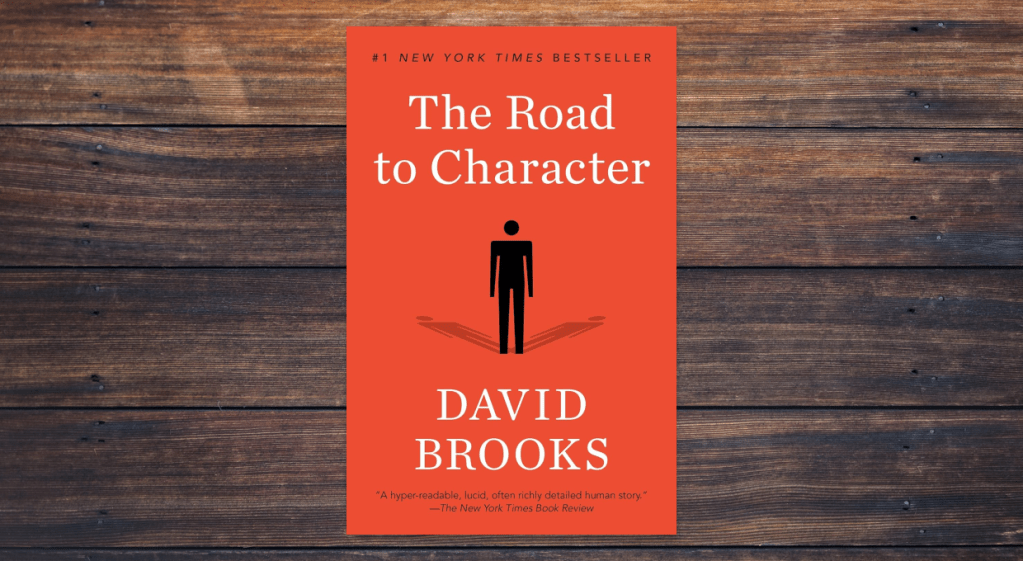
The Road to Character is a reflective book about the tension between what Brooks calls “resume virtues” and “eulogy virtues.” It explores how personal struggle, humility, and moral depth shape a life of meaning. The book sits squarely in the category of books on money and personal growth that help readers examine the psychological foundations behind their decisions, including the way ambition, ego, and cultural expectations shape financial behavior.
Who is David Brooks?

David Brooks is a long-time columnist for The New York Times, known for writing about culture, politics, and the human condition. He has also taught at Yale and written several bestselling books. Much of his work focuses on how modern American life affects happiness, purpose, and character formation. Brooks is not a financial advisor and does not pretend to be one, but his observations about values, habits, and self-discipline overlap with themes often found in personal finance writing.
Lessons from The Book
The Value of Humility
Brooks argues that humility is not about thinking less of yourself but about grounding your identity in something deeper than personal achievement. For readers working on budgeting, financial discipline, or building long-term wealth through tools like a high-yield savings account or short-term treasury bills, this mindset encourages measured decisions rather than impulse-driven spending.
The Importance of Internal Strength
The book highlights historical figures who developed resilience through adversity. Building a nest egg, learning how to manage money, and sticking with an S&P 500 investment strategy all require similar discipline over long periods of time. The idea of strengthening the “inner self” translates well into cultivating patience with long-term financial goals.
The Danger of an Achievement-Obsessed Culture
Brooks argues that modern culture pushes people toward external validation, sometimes at the expense of meaning. Readers may recognize a similar tension in consumer culture, where lifestyle creep can quietly undermine financial stability. Recognizing this pressure is the first step toward resisting it.
The Role of Purpose
Many of the profiles in the book show people who grounded their lives in service, faith, or a calling. Financial independence is easier to pursue when spending and saving decisions align with a clear sense of purpose rather than short-term wants.
Criticisms of the Book
The Tone Can Feel Moralizing
Some critics argue that Brooks presents a nostalgic view of virtue while underestimating the complexity of contemporary life. His tone can feel prescriptive, as if there is one correct way to develop strong character.
Selective Narratives
Brooks uses historical case studies to prove his points, but some readers feel he cherry-picks stories that fit his argument while glossing over uncomfortable details.
Lack of Practical Application
Unlike other popular books on money or personal development, The Road to Character does not offer step-by-step guidance. Readers looking for clear tactics on budgeting or learning new financial skills will not find them here.
Should Readers Buy It?
The book is worth buying for readers interested in the deeper motivations behind human behavior. It is not a guide to personal finance, but it offers perspective that can strengthen a long-term mindset. People who want actionable tools or specific financial strategies may find it less useful, while those who enjoy reflective writing will likely appreciate it.
Final Thoughts
The Road to Character invites readers to examine the forces shaping their decisions and priorities. While it is not a finance book, its themes complement the habits that support financial stability such as delayed gratification, intentional living, and the ability to resist cultural pressure to overspend. It is a thoughtful companion for anyone exploring how inner values influence outward results.









 Winchell House
You must be logged in to post a comment.