
In the world of modern economic thought, few voices have sparked as much debate as Rutger Bregman. A Dutch historian and author, Bregman has become a prominent figure for those interested in the intersection of history, psychology, and money. He is often recognized for his viral moments challenging global elites, but his deeper work provides a provocative look at how we might restructure our financial systems and our personal lives. For anyone building a foundation through books on money, understanding his perspective is essential to seeing the broader picture of wealth and society.
The Rise of the Dutch Wunderkind
Born in 1988, Rutger Bregman began his career in journalism and history before transitioning into an internationally acclaimed author. He is a co-founder of the School for Moral Ambition and has been described by various media outlets as a wunderkind of new ideas. Unlike a traditional financial advisor who might focus solely on stock picks or asset allocation, Bregman uses the lens of history to question the very “common sense” of our current economic models.
His breakthrough came with the release of Utopia for Realists, a book that moved beyond abstract theory to propose tangible changes to how we handle labor and income. He currently lives in New York City and continues to influence global economic discourse through his writing and public speaking.
Revolutionary Ideas: UBI and the 15-Hour Workweek
Bregman is perhaps best known for his staunch advocacy of Universal Basic Income (UBI). In Utopia for Realists, he argues that poverty is not a failure of character but a lack of cash. By providing a guaranteed floor, he suggests society could eliminate extreme poverty and allow individuals to pursue more meaningful work.
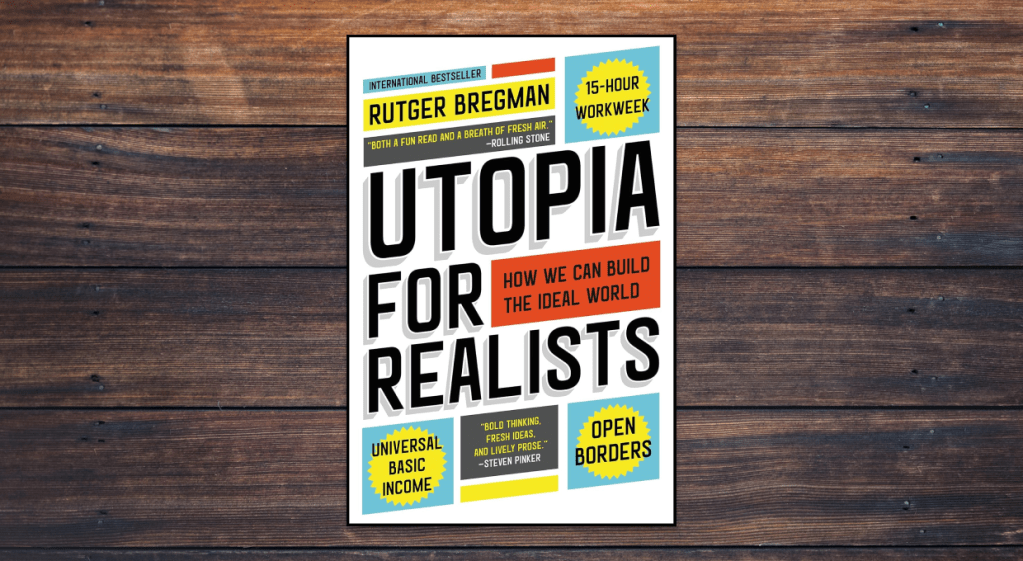
He also challenges the modern obsession with productivity, proposing a 15-hour workweek. Bregman posits that many modern professions are “bullshit jobs” that add little value to society. By working less and distributing wealth more equitably, he believes we can solve issues ranging from unemployment to mental health crises.
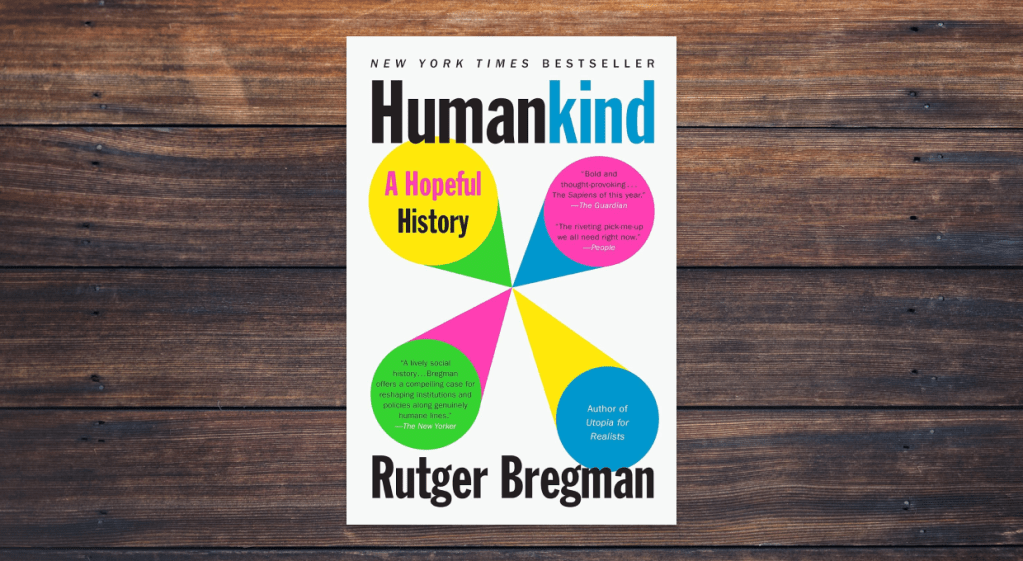
In his more recent work, Humankind: A Hopeful History, he tackles the psychology of money and power. He argues that humans are fundamentally decent and cooperative, rather than selfish. This shift in perspective is crucial for understanding how we make financial decisions and how we might build a more collaborative economy.
Critics and the Economic Reality
As with any thinker who proposes radical shifts, Bregman has faced significant criticism. Economic traditionalists argue that his proposals for UBI and significantly shorter workweeks could lead to massive inflation or a collapse in national productivity. Critics also point out that “open borders,” another concept he has explored, presents immense logistical and political challenges that his writing sometimes simplifies.
Others suggest that while his critiques of tax avoidance among the ultra wealthy are morally compelling, his solutions rely heavily on a level of international government cooperation that has historically been difficult to achieve.
Should You Add His Books to Your Shelf?
If you are looking for a standard manual on budgeting or how to pick the best short-term treasury bills, Bregman’s work may not be your first stop. However, if you want to challenge your psychology and expand your understanding of how money works on a societal level, his books are invaluable.
Utopia for Realists is a must-read for those who want to see the data behind radical economic shifts. Humankind is better suited for readers interested in the social and psychological underpinnings of our financial systems. Reading his work provides a necessary counter-balance to traditional financial literature, encouraging a “live and let live” mindset while still demanding a more equitable world.
Final Thoughts
Rutger Bregman is more than just a viral historian; he is a catalyst for conversation. While his ideas may seem utopian to some, they remind us that the financial systems we live in today were once just ideas themselves. For the modern reader, his work serves as a reminder that understanding money is about more than just a nest egg—it is about the kind of world we want that money to build.











You must be logged in to post a comment.