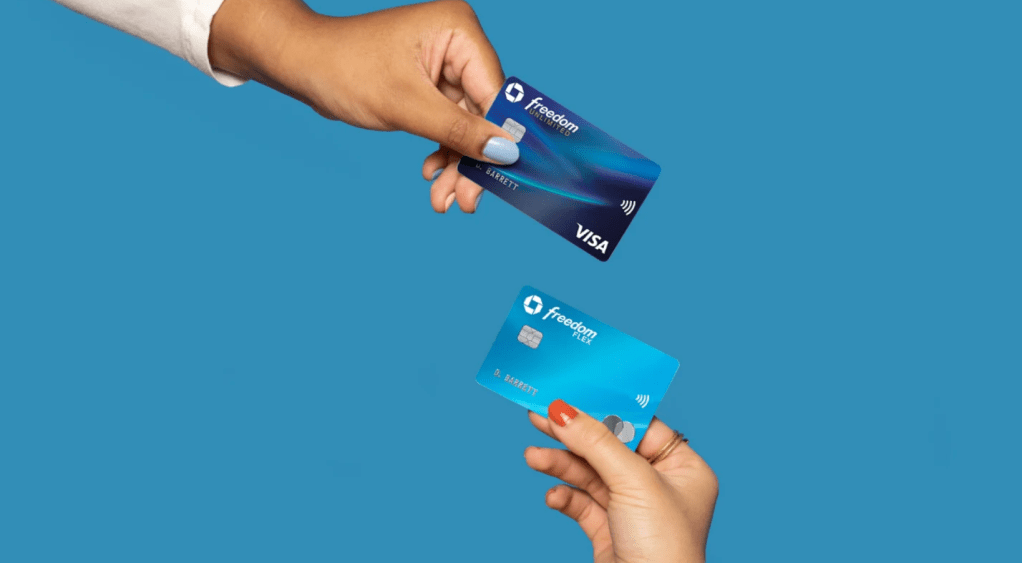
Shopping can feel like a therapeutic activity, offering moments of joy and excitement. However, for some, the act of shopping becomes more than an occasional treat. It evolves into an addiction, leading to financial stress and emotional challenges. Understanding the psychology behind shopping addictions can help individuals regain control and establish healthier spending habits.
What Drives a Shopping Addiction?
Shopping addictions, also known as compulsive buying disorder (CBD), often stem from deeper psychological and emotional needs. Here are some of the most common triggers:
- Emotional Escape: Shopping can serve as a way to distract from feelings of stress, anxiety, or depression. The temporary thrill of purchasing something new can provide a brief sense of relief.
- Social Influence: Society often equates material possessions with success and happiness. Social media, with its curated images of luxury and perfection, exacerbates this pressure, encouraging people to spend beyond their means.
- Instant Gratification: Online shopping and one-click purchases make it easy to indulge in impulsive buying. The anticipation of a package arriving at the door can become addictive in itself.
- Chemical Reward: Shopping activates the brain’s reward system, releasing dopamine, the feel-good neurotransmitter. This chemical response can reinforce the behavior, making it harder to resist.

Signs of a Shopping Addiction
Recognizing the symptoms of a shopping addiction is the first step to addressing the issue. Common signs include:
- Feeling compelled to shop even when you don’t need or can’t afford items.
- Experiencing guilt or regret after purchases.
- Hiding purchases or lying about spending habits to friends and family.
- Accumulating debt or neglecting essential financial obligations to fund shopping sprees.
- Feeling a rush of excitement while shopping, followed by a crash of disappointment afterward.
Breaking Free from the Cycle
Overcoming a shopping addiction requires a combination of self-awareness, discipline, and support. Here are actionable steps to help you regain control:
- Set Financial Goals: Establish clear financial priorities, such as saving for a home, building an emergency fund, or investing in $VOO. Having long-term goals can make impulsive spending feel less appealing.
- Stick to a Budget: Use a budgeting app like Simplifi to track your expenses and set limits for discretionary spending. Awareness of where your money goes can curb unnecessary purchases.
- Identify Triggers: Reflect on what drives your shopping habits. Are you shopping to cope with emotions, boredom, or social pressures? Recognizing these patterns can help you find healthier alternatives.
- Implement a Waiting Period: Practice delayed gratification by waiting 24 to 48 hours before making a purchase. Often, the initial urge to buy fades with time.
- Unsubscribe and Declutter: Reduce temptations by unsubscribing from promotional emails and cleaning out your closet. Seeing how much you already own can curb the desire for more.
- Seek Professional Help: If shopping addiction significantly impacts your life, consider working with a therapist who specializes in compulsive behaviors or financial therapy.
Building a Healthier Relationship with Money
Recovering from a shopping addiction isn’t just about spending less—it’s about finding joy and satisfaction in ways that don’t compromise your financial well-being. Invest in experiences rather than things, prioritize meaningful relationships, and take pride in achieving financial independence.
At Winchell House, we believe that living a frugal, intentional life is the foundation of financial success. Redirect the money you save from unnecessary purchases into high-yield savings accounts, short-term treasury bills, and long-term investments like $VOO. By doing so, you’ll build a secure financial future while breaking free from the cycle of compulsive spending.
Understanding the psychology behind shopping addictions empowers you to take charge of your finances and mental health. The journey may not be easy, but the rewards—both emotional and financial—are well worth the effort.









 Winchell House
You must be logged in to post a comment.