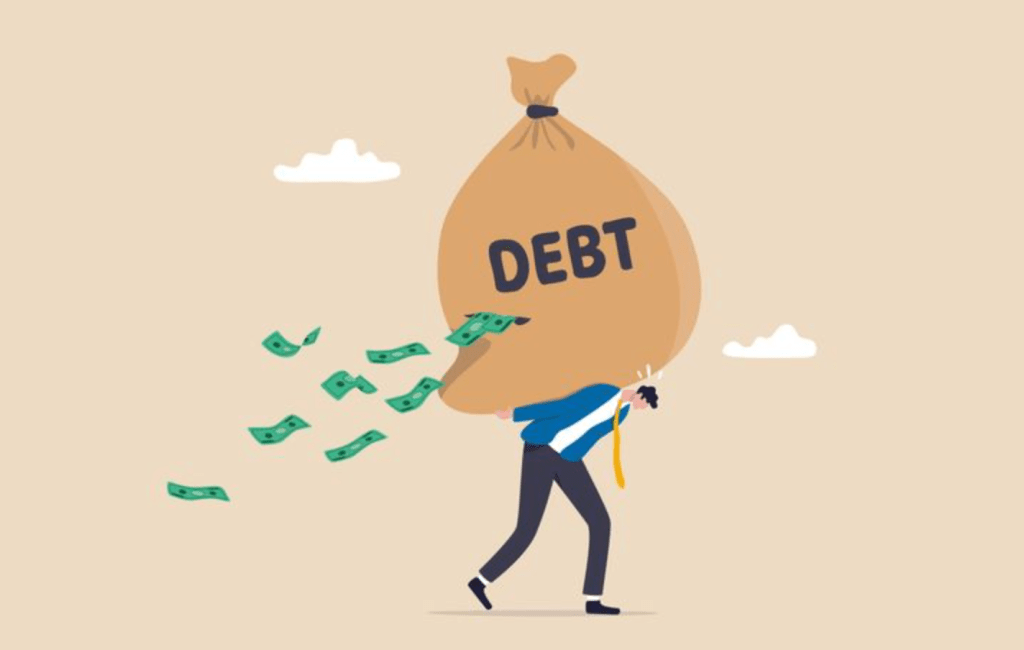
Debt can be a powerful tool when used wisely, but it can also be a major obstacle to achieving financial freedom. Understanding the difference between good debt and bad debt is crucial for making informed decisions about borrowing. Let’s explore these concepts and determine how much bad debt is acceptable for your financial situation.
What Is Good Debt?
Good debt is borrowing that helps you build wealth or improve your financial stability over time. It often involves investing in assets or opportunities that appreciate in value or enhance your earning potential. Examples of good debt include:
- Mortgage Loans: Owning a home can be a cornerstone of long-term financial security. Real estate often appreciates in value, and mortgage interest rates are usually lower than other types of debt.
- Student Loans: Borrowing to invest in your education can yield significant returns by increasing your earning potential. Choose programs and institutions that align with your career goals and avoid overborrowing.
- Business Loans: Starting or expanding a business can lead to substantial income growth. Make sure to have a solid business plan and realistic projections before taking on this type of debt.
Good debt typically comes with lower interest rates and has the potential to improve your net worth over time.

What Is Bad Debt?
Bad debt is borrowing that doesn’t add long-term value to your financial life. It’s often used to purchase depreciating assets or non-essential items. Common examples of bad debt include:
- High-Interest Credit Card Debt: Using credit cards for everyday expenses or luxury purchases without paying the balance in full each month can lead to high-interest charges and financial stress.
- Payday Loans: These short-term loans come with exorbitant interest rates and fees, making them one of the most expensive types of debt.
- Car Loans: While owning a vehicle might be necessary, cars are depreciating assets. Overspending on a car or taking on a high-interest auto loan can hinder your financial progress.
Bad debt can quickly spiral out of control if not managed properly, so it’s important to minimize it whenever possible.
How Much Bad Debt Is OK?
The Gut-Check Formula: Will the Debt Pay for Itself?
A quick way to tell good debt from bad is to ask whether the borrowing is likely to return more than it costs. Take a $30,000 student loan at 6% interest for a degree that lifts your earnings by $15,000 a year. Over a ten-year career the extra income totals roughly $150,000 against about $40,000 in loan payments. The debt pays for itself several times over.
Now flip it: a $10,000 vacation charged to a card at 24% APR, paid off over five years, costs about $17,000 for memories that generate zero future income. The interest rate is the price of the borrowed money; the return is what the borrowed money earns you. When the expected return clearly beats the rate, the debt is working for you. When there is no return at all, the rate is pure cost.
While avoiding bad debt entirely is ideal, it’s not always realistic. Life happens, and sometimes borrowing is necessary. The key is to keep bad debt manageable and work toward eliminating it as quickly as possible. Here’s how to determine an acceptable level of bad debt:
- Follow the 30% Rule: Your total debt payments (including mortgages, student loans, credit cards, etc.) should not exceed 30% of your monthly income. This ensures you have enough flexibility to cover living expenses and save for the future.
- Prioritize High-Interest Debt: Focus on paying off debt with interest rates above 10% as quickly as possible. High-interest debt erodes your financial stability and limits your ability to build wealth.
- Borrow Responsibly: If you must take on bad debt, do so with a clear repayment plan. Avoid borrowing more than you can comfortably repay within a few months.
Tips for Managing Debt Wisely
The 28/36 Rule Lenders Actually Use
The post’s 30% rule is a solid starting point, but mortgage lenders use a sharper version: the 28/36 rule. Your front-end ratio (housing costs: mortgage, taxes, insurance) should stay at or under 28% of gross monthly income, and your back-end ratio (all monthly debt payments combined) at or under 36%.
Run it on a $7,000-a-month household. Housing stays under $1,960, and total debt payments under $2,520. If your car payment, student loans, and credit card minimums already eat $900, your housing budget shrinks to about $1,620. This is why “how much bad debt is OK” has a concrete answer from a lender’s perspective: keep total debt service under 36% of gross income, or the borrowing starts shrinking what you can afford everywhere else.
- Build an Emergency Fund: Having 3-6 months’ worth of expenses in a savings account can help you avoid bad debt during unexpected events.
- Use Budgeting Apps: Tools like Simplifi can help you track spending, set goals, and identify areas to cut back.
- Consolidate Debt: If you’re juggling multiple high-interest debts, consider consolidating them into a single loan with a lower interest rate.
- Seek Professional Advice: A financial advisor can help you create a personalized debt repayment strategy that aligns with your goals.
The Bottom Line
Good debt can be a stepping stone to financial success, while bad debt can weigh you down. By understanding the difference and keeping bad debt to a minimum, you’ll be better equipped to achieve your financial goals.
Remember to borrow wisely, prioritize paying off high-interest debt, and use tools and strategies to manage your finances effectively. With the right approach, you can take control of your debt and build a brighter financial future.











You must be logged in to post a comment.