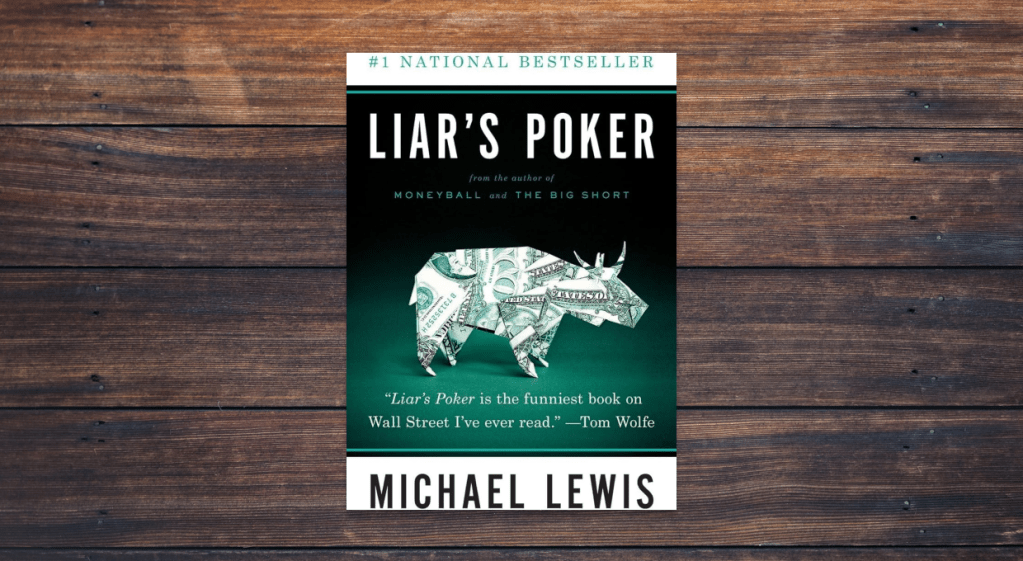
Liar’s Poker by Michael Lewis is more than just a peek behind the curtain of Wall Street—it’s a gripping narrative that blends humor, high-stakes drama, and valuable insights into the world of finance.
Liar’s Poker serves as a reminder of both the allure and the dangers that come with chasing big money. Whether you’re meticulously tracking your budget, avoiding crippling credit card debt, or planning to invest in the S&P 500 nest egg, the lessons within Liar’s Poker are both entertaining and instructive.

Who is Michael Lewis?

Michael Lewis is a renowned financial journalist and best-selling author celebrated for his ability to distill complex financial concepts into engaging stories. His work has reshaped the way many Americans perceive Wall Street and the intricacies of the financial markets. With a background in economics and finance, Lewis has a knack for uncovering the human stories behind market trends and financial crises. His portfolio of work, which includes titles like The Big Short, Moneyball, and Flash Boys, has earned him a reputation as one of the most insightful commentators on modern finance.
Book Summary
Published in 1989, Liar’s Poker is a semi-autobiographical account of Michael Lewis’s experiences as a bond salesman at Salomon Brothers during the 1980s. The book paints a vivid picture of the cutthroat culture on Wall Street—a place where risk-taking, bravado, and a relentless hunger for profit are the norm. Lewis takes readers on a rollercoaster ride through the chaotic world of high finance, exposing the excesses, ego battles, and sometimes ludicrous behavior of the financial elite.
Through witty anecdotes and keen observations, Liar’s Poker highlights the dark side of financial innovation and speculative excess. While the narrative is laced with humor, it also offers a sobering look at how short-term greed can lead to long-term consequences, making it a timeless piece of financial literature.
Lessons from Liar’s Poker
For those of you on your path to financial independence, Liar’s Poker offers several takeaways:
- Understanding Risk: Liar’s Poker illustrates the fine line between taking calculated risks and engaging in reckless behavior. This is a crucial lesson whether you’re investing excess funds in the S&P 500 or contemplating other financial ventures.
- The Importance of Due Diligence: Just as the characters in the book had to scrutinize every detail to survive in the cutthroat environment of Wall Street, you should be equally vigilant when managing your personal budget or consulting with a financial advisor.
- Avoiding the Pitfalls of Greed: Liar’s Poker serves as a cautionary tale about the dangers of letting greed override sound financial judgment—a lesson that resonates when trying to avoid credit card debt or making impulsive investment decisions.
- Embracing a Frugal Lifestyle: While the high-flying world of bond trading may seem far removed from everyday financial management, the emphasis on discipline and living within your means can help reinforce why owning your home and using budgeting apps are critical steps toward long-term financial stability.
Who Should Read Liar’s Poker?
Liar’s Poker is written for anyone curious about the inner workings of Wall Street, from finance professionals to the everyday reader with an interest in how the financial system operates. If you’re fascinated by the dynamics of high-risk investments, speculative trading, and the psychology of financial markets, this book is a must-read.
Even if you’re just starting your journey to financial independence, the narrative offers practical lessons in risk management and decision-making that can help inform your personal finance strategies.
More Books From Lewis

Final Thoughts
Liar’s Poker remains a seminal work in understanding the excesses and the excitement of the financial world.
Liar’s Poker offers a dual lesson: while the allure of big money and fast profits is tempting, true financial success is built on careful planning, disciplined budgeting, and long-term investments like those in the S&P 500.
As you strive for financial independence, remember that managing risk, whether it’s avoiding credit card debt or knowing when to consult a financial advisor, is as important as any high-yield savings strategy.
Michael Lewis’s engaging narrative not only entertains but also reinforces the timeless value of prudence and discipline in every financial decision.









 Winchell House
You must be logged in to post a comment.