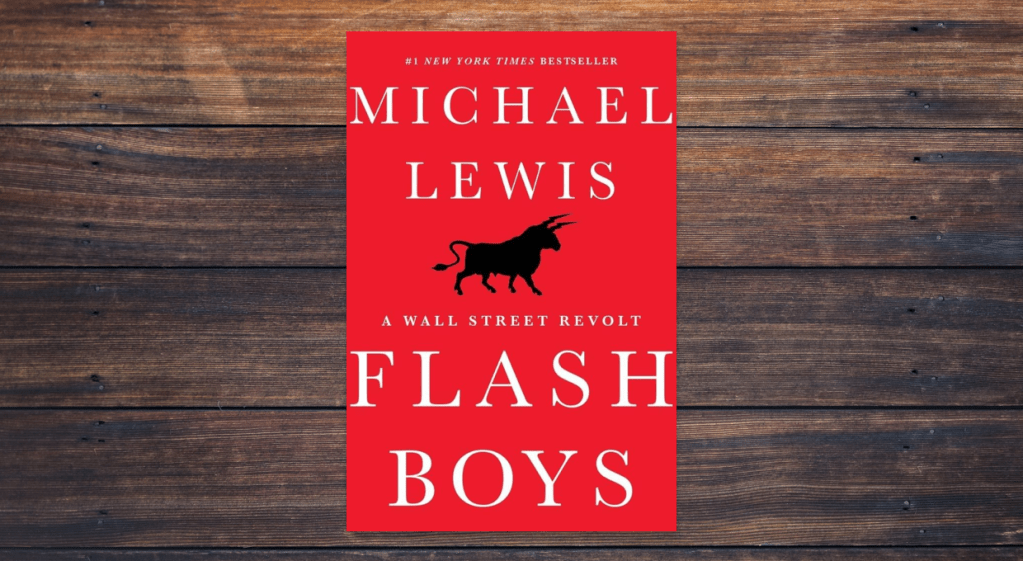
Whether you’re managing a budget, seeking financial independence, or consulting with a financial advisor, the insights from Flash Boys remind us that understanding the financial landscape is key to navigating it successfully.
Who is Michael Lewis?

Michael Lewis is a renowned author and financial journalist celebrated for his ability to transform complex financial subjects into captivating narratives. With a string of bestsellers like The Big Short and Liar’s Poker, Lewis has built a reputation for shedding light on the inner workings of financial markets and the human stories behind them. His engaging writing style makes topics that might seem arcane or overwhelming accessible to a broad audience—including those on their journey toward financial independence.

Book Summary
In Flash Boys, Michael Lewis takes readers behind the scenes of the fast-paced world of high-frequency trading. The book delves into the technological arms race that has transformed Wall Street, revealing how cutting-edge algorithms and lightning-fast trading systems have reshaped the modern stock market. Lewis explains how a small group of tech-savvy traders capitalizes on minute price differences and fleeting market opportunities, often leaving traditional investors in the dust. While the narrative is rich with detailed anecdotes and insider perspectives, it also serves as a cautionary tale about the consequences of an increasingly automated and complex financial system.
Personal Finance Lessons
Although Flash Boys focuses on high-speed trading rather than everyday personal finance, there are valuable lessons for those embarking on their financial journey:
- Understanding the Markets: The book highlights the importance of being well-informed. Just as high-frequency traders leverage technology and deep market insights, everyday investors can benefit from a solid grasp of market fundamentals. This knowledge is crucial when building a diversified portfolio—such as investing in the S&P 500, which has historically returned around 10% per year.
- The Value of Transparency: Lewis exposes the hidden mechanisms in modern trading. For Winchell House readers, this is a reminder to seek clarity in all financial dealings. Whether it’s tracking expenses with a popular budgeting app or consulting a trusted financial advisor, staying informed can help avoid pitfalls like overwhelming credit card debt.
- Long-Term Planning Over Short-Term Gains: While the fast-paced world of high-frequency trading might seem thrilling, its strategies are not typically applicable to the average investor. Instead, embracing a long-term approach—saving diligently in high-yield savings accounts, buying treasury bills for stability, or owning your home rather than renting—can pave the way to financial independence.
Who Should Read Flash Boys?
Flash Boys is primarily written for readers with a keen interest in the inner workings of financial markets and the technological revolution that has altered them. If you’re fascinated by stories of market innovation, the risks inherent in modern trading, and the complex dance between technology and finance, this book is for you.
However, even if your focus is on personal finance fundamentals like budgeting, avoiding credit card debt, or planning for a secure retirement, the book offers an intriguing look at the extremes of market behavior—underscoring the importance of sound financial planning.
More Books From Lewis

Final Thoughts
Flash Boys by Michael Lewis is much more than an exposé on high-frequency trading—it’s a window into a rapidly evolving financial world where technology and strategy converge. For Winchell House readers, the book reinforces the importance of informed decision-making and long-term planning. While the high-speed tactics of elite traders may not directly translate to personal finance strategies, the underlying message is clear: educate yourself, remain vigilant, and focus on building a robust financial foundation.









 Winchell House
You must be logged in to post a comment.